
Alarm that texts when the pit is high
A sump pit alarm that texts you can warn you before rising water becomes a basement flood. Here is what to look for in the sensor,…
Practical help choosing, installing and troubleshooting sump pumps before the next storm.
A sump pit alarm that texts you can warn you before rising water becomes a basement flood. Here is what to look for in the sensor,…

A backup sump pump may not kick in because its battery is discharged, the float cannot move, the pump is clogged, or the system is not…

A battery backup sump pump can keep water moving when a storm knocks out power. Learn how to choose the right backup capacity, battery,…
A backup sump pump needs the right charger—not just any automotive battery tender. Match the charger to the pump system’s battery type,…
The best battery backup sump pump is one that can handle your discharge height, runs from a suitable deep-cycle battery, and operates…
If power outages are common, the best sump pump setup is usually a reliable primary pump paired with a properly sized backup. Compare…

If you already own a battery backup, the best primary sump pump is one sized for your pit and discharge height, with a setup your backup…

A water-powered backup sump pump can keep removing water during a power outage without batteries, but it only works with an adequate…
If you travel during storm season, a high-water alarm and a properly installed backup sump pump can provide warning and pumping capacity…
Battery and water-powered sump pump backups solve the same problem in different ways. Choose based on your outage risks, municipal water…

A DIY sump pump backup can cost less upfront, but a pre-plumbed system may be worth the added expense when installation time, reliability,…

Adding battery backup to an existing sump usually costs more than the backup pump alone. The final amount depends on whether you need only…

A diaphragm backup pump uses municipal water pressure, while a DC backup pump uses stored battery power. The better choice depends on your…
A sump pump backup battery may last from several hours to more than a day, depending on pump run time, battery capacity, water inflow,…
A separate primary pump plus backup usually offers more flexibility and serviceability, while a combination unit can simplify installation…
A water-powered sump pump backup can operate during a power outage, but only if your home has sufficient pressurized water and the plumbing…

The quietest sump pump is usually a properly sized submersible model installed on a stable, vibration-damping base. Here is how to compare…

The best sump pump for a finished basement is a dependable primary pump sized for your discharge height, paired with backup protection if…

The best sump pump for a high water table is one sized for continuous inflow and your system’s actual vertical lift—not simply the pump…

The best sump pump for a narrow pit is compact enough to fit without restricting the float or discharge pipe. Compare pump dimensions,…
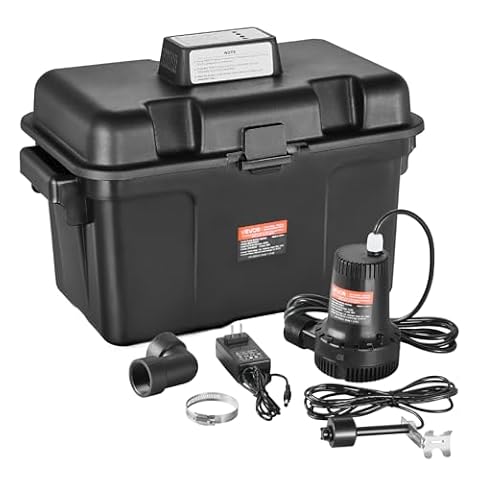
For a rental property you manage remotely, the best sump pump is usually a complete protection system: a dependable primary pump, a…

Clay soil can send water into a sump basin quickly, but the best pump depends on inflow, vertical lift, discharge piping, and clog…

A silt-filled sump pit can clog a pump, jam its float, and shorten motor life. The best solution is usually to remove the sediment first,…

A sump pump in a basement bedroom can be noticeable, especially during heavy rain, but excessive noise usually points to vibration, loose…

A submersible sump pump with a vertical float is a practical choice for many narrow or compact sump pits. Learn how the float switch works,…
An 8-foot pit does not automatically require a specific horsepower. Choose a sump pump by measuring the total vertical lift to the…
A sump pump that runs after every rain may use less electricity than expected, but frequent or continuous cycling can signal a discharge,…

A sump pump can be a relatively simple replacement or a larger installation project. The total cost depends on the pump type, installation…
A faulty float switch does not always mean you need a new sump pump. Use the pump’s age, condition, switch design, failure symptoms, and…

Before buying another sump pump, check whether the failure is actually in the pump. A plumber can identify discharge, check-valve, float,…
A small amount of water may flow back into the sump pit when the pump stops, but a failed or poorly installed check valve can send most of…

A sump pump float switch stuck on the pit wall can leave the pump running continuously or prevent it from starting. Use these safe checks…

A sump pump intake should not be buried in sediment, gravel, or other debris. Shut off power, remove the pump safely, clean the pit and…
A replacement float switch can restore automatic sump pump operation when the pump still runs correctly but does not start or stop at the…

If the sump pit rises faster than the pump can lower it, the cause is usually excessive water inflow, restricted discharge, a clogged…
Rust flakes can restrict a sump pump intake and cause slow pumping, cycling, or overheating. Here is how to clear the blockage, find the…

A rattling sump pump check valve is usually caused by the valve flap closing rapidly, a loose discharge pipe, debris, or an incorrectly…

If your sump pump hums but does not pump water, shut off power before inspecting it. The most common causes are debris around the impeller,…
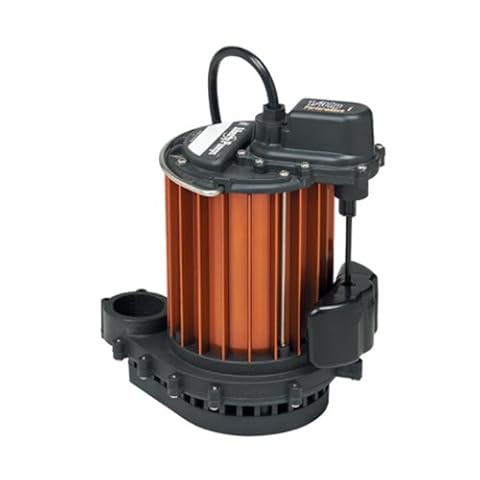
A sump pump leak around the discharge pipe usually comes from a loose connection, failed seal, cracked fitting, or water backing up through…

If your sump pump is not turning on, check the power supply, float switch, intake, discharge line, and water level in that order. These…
If your sump pump will not shut off, check the float, discharge line, check valve, basin water level, and pump sizing before replacing the…

A sump pump that starts and stops every few seconds or minutes may have a float, discharge, check-valve, basin, or pump-sizing problem. Use…
If your sump pump keeps tripping the GFCI, do not bypass the protection or repeatedly reset it. Disconnect power safely, check for water…
A rainbow sheen in a sump pit does not always mean the pump is leaking. Keep clear of electrical hazards, look for clues without opening…

A sump pump alarm can sound with a dry pit if a sensor is misplaced or faulty, the pump recently cleared the water, or the backup system is…
A sump pump can keep running after rain ends because groundwater takes time to reach the basin. If it runs continuously, the water level…
A spare sump pump can prevent a flooded basement when the primary pump fails during a storm. Before buying, match the pump to your basin,…
A frozen sump pump discharge line can stop water from leaving your home and may force the pump to run continuously. Find the blockage, thaw…
A lake-effect snowmelt week can send large volumes of water toward your foundation while storms may also cause outages. Here is how to…

An ice guard can reduce the chance of a frozen sump pump discharge, but it cannot fix poor drainage, an undersized pipe, or a blocked line.…
A sump pump that struggles after a dry summer may have a stuck float, a clogged or obstructed discharge line, or a motor that has failed.…
A sump pump should not automatically be unplugged or removed for winter. First determine whether water could enter the pit, then check that…

A union fitting lets you disconnect a sump pump without cutting the discharge pipe. Here is how to choose the right size and install it…

A sump pump check valve prevents discharged water from flowing back into the pit. Choose one that matches your pipe size, pump discharge,…
A sump pump kit with a basin can simplify a new pit installation, but the parts still need to match your pit depth, inflow, discharge…

Two sump pumps can share one discharge pipe, but the setup must prevent backflow and provide enough capacity for both pumps. Here is how to…
A sump pump is usually better served by its own branch circuit because a tripped breaker, overloaded circuit, or lighting fault can leave…
A check valve keeps water in the discharge pipe from flowing back into the sump pit when the pump stops. Here is how to choose, place, and…
A sump pump should usually have a check valve on its discharge pipe. The valve prevents water from flowing back into the pit when the pump…
The correct sump pump discharge pipe is usually the same diameter as the pump outlet. Learn when 1-1/4-inch or 1-1/2-inch pipe is…

An air-gap lid is easier to access but can let basement air, moisture, and soil gases pass through. A properly fitted sealed lid limits…

A sealed sump pit needs a lid that fits the basin and properly sealed openings. Whether it also needs a vent depends on the pit’s use,…
A sump pump should normally plug directly into a properly located receptacle. Extension cords can create electrical and reliability risks,…
GFCI protection can reduce shock risk around a sump pump, but code requirements depend on your location and installation. Never bypass a…
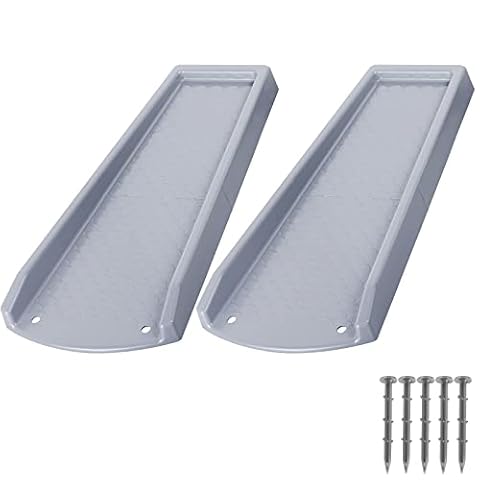
A bigger sump pump may not solve water that is being directed toward your foundation. Check gutters, downspouts, and grading first, then…
A bucket test confirms that the sump pump’s float switch starts the pump and that water can discharge from the pit. Test it regularly, but…
A simple water test can show whether your sump pump, float switch, and discharge line are ready for heavy rain. Inspect the setup first,…
A storm sewer connection is not automatically allowed just because it carries rainwater. Check local approval requirements before…

A properly sealed sump pit cover can help limit radon from entering the home, but it is not a substitute for testing or a complete radon…

A sump pump discharge line should release water where it can drain away from the house without flowing back toward the foundation, creating…
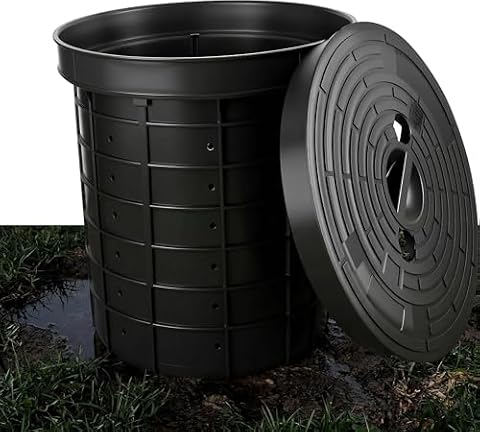
A window well drain can often use an existing sump basin if it can reach the basin by gravity and the sump system has enough capacity. The…
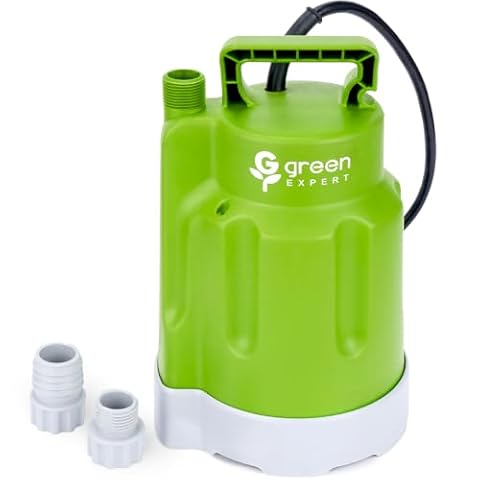
A discharge line that is too small can make a high-GPH sump pump move far less water than expected. Here is how to identify the problem,…

A long uphill discharge requires more than a pump with a high horsepower number. Choose a sump pump based on its flow at your calculated…
A 1/2 HP sump pump is not automatically the better choice. Compare the pump’s flow at your actual discharge height, basin setup, switch,…

A sump pump’s maximum gallons-per-hour number is only part of the story. Head height, shutoff head, pipe friction, check valves, and…
Sizing a sump pump by horsepower alone can lead to poor performance. Calculate total dynamic head, compare the pump's flow at that height,…
Static head is the vertical rise from the sump water surface while the pump is operating to the point where the discharge water exits.…
A sump pump’s GPH rating is a flow rate under stated test conditions—not a promise that it will move that much water in your basement. The…
For many homes, a 1/3-hp sump pump is a reasonable starting point. Choose by the pump’s flow at your system’s total head—not horsepower…
A townhouse basement needs more than a pump that moves water. The right setup must fit the existing basin, handle the total lift and pipe…

A crawl space sump pump needs to fit the pit, switch on at the right water level, and move water through the actual discharge route. Check…
In a finished basement, choose a sump pump for the water it must move—not just the carpet nearby. A properly sized pump, backup plan,…

A narrow sump pit can limit more than the pump’s outside diameter. Check the basin opening, pump body, float movement, discharge outlet,…

Pedestal pumps are accessible and space-efficient, while submersible pumps are quieter and better protected inside the sump pit. The right…
Solid-state and mechanical float switches control sump pumps in different ways. This guide compares reliability, debris tolerance,…
Vertical floats are compact and work well in narrow sump basins, while tethered floats need more room but can provide a longer pump cycle.…

A dirty-water utility pump may keep a basement dry during an emergency, but only if it can handle the water, lift height, discharge setup,…
Cast iron and plastic impellers can both work well in sump pumps. The better choice depends on water quality, debris, corrosion risk, pump…
Cast iron sump pumps emphasize weight, durability, and heat dissipation, while thermoplastic pumps are lighter and resist corrosion. The…

A pedestal sump pump can fit a shallow or narrow pit because its motor sits above the water. Compare pit dimensions, switch clearance,…

A wet-vac can help clean up a small amount of water after the source is controlled. For water that keeps entering a basement, a properly…
A sewage ejector system can move basement bathroom waste up to a sewer line when gravity drainage is not possible. A standard sump pump…
A pump-only solution makes sense when a working basin and drainage path already collect water. If water is entering across the basement…
Interior drain tile collects water that reaches the foundation perimeter and sends it to a sump. Exterior waterproofing works from outside…
A French drain without a pit can move water away by gravity only if there is a suitable lower outlet. If water has nowhere to drain, a sump…
A useful sump pump review explains how the pump performs under realistic conditions—not just its star rating or maximum gallons-per-hour…

A sump pump that ran dry is not automatically out of warranty. Coverage depends on the written terms, what caused the pump to run without…