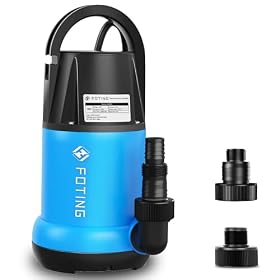
A sump pump should normally plug directly into a properly located receptacle. Extension cords can create electrical and reliability risks, especially in a damp basement.
Why an extension cord is risky
A sump pump should normally plug directly into a suitable, grounded receptacle—not into an extension cord. The pump’s motor can draw extra current as it starts, and a cord that is too long or undersized can cause voltage drop, overheating, or unreliable operation. An extension cord also adds plug connections that can loosen or get wet in a basement.
A cord may seem to work until the pump has to run repeatedly during a storm. If it overheats, disconnects, or prevents the motor from starting properly, the pump may not remove water when you need it. Using an extension cord can also conflict with the pump manufacturer’s instructions and may affect warranty coverage.
Product prices and availability are accurate as of the date/time indicated and are subject to change. Any price and availability information displayed on Amazon.com at the time of purchase will apply to the purchase of this product.
What to do instead
Use the pump’s attached factory cord and plug it directly into a properly located receptacle that meets the pump instructions and applicable local electrical requirements. Use grounding and GFCI protection as required; never remove the ground pin or bypass a GFCI to keep the pump running.
If there is no suitable receptacle near the basin, ask a licensed electrician to install or relocate one. The outlet needs to be positioned and protected appropriately for the basement and local code. Don’t run a cord through a wall, under a door, or across a wet floor as a substitute for permanent wiring.
If the pump is already using an extension cord
If the plug, receptacle, or cord is wet, hot, damaged, or smells burnt, don’t touch it while standing in water or in a wet area. If you can safely reach the breaker from a dry location, switch off the circuit and contact a qualified electrician. Otherwise, stay clear and get professional help.
When everything is dry and safe, follow the pump manual to disconnect the extension cord and connect the factory cord directly to an appropriate receptacle. Check the cord and plug for damage, and don’t use the pump if either is damaged. If the pump still won’t run, check the breaker and GFCI only if it’s safe to do so, then consult the manual or a qualified service professional.
Plan for power outages without an extension cord
A standard sump pump cannot run when its power source is out. For outage protection, consider a backup system designed for sump-pump use, such as a compatible battery backup or a water-powered backup where appropriate. Follow the manufacturer’s installation and maintenance instructions, and make sure the backup system is compatible with your pump and basin.
A portable generator is not a reason to improvise with cords near water. Follow the generator and pump manufacturers’ instructions, keep the generator outdoors and away from openings, and ask a qualified electrician about a safe, code-compliant connection method.
FAQ
Can I use a heavy-duty extension cord with a sump pump?
Don’t assume a heavier cord makes it safe. Check the pump manual; unless the manufacturer specifically allows an extension cord and gives requirements, plug the pump directly into a suitable receptacle.
Can I use a power strip or adapter instead?
No. A power strip or adapter adds another connection and is not a substitute for a suitable receptacle. Follow the pump instructions and have an electrician address an outlet that is missing or poorly located.
Should a sump pump be plugged into a GFCI outlet?
Follow the pump instructions and local electrical requirements for GFCI protection. Don’t bypass a GFCI or remove the grounding pin if it trips; have the cause checked safely.
What should I do if my sump pump loses power during a storm?
Use only a backup system and connection method intended for sump-pump use, following its instructions. Don’t route an improvised extension cord through a wet area or into the home from a generator.