A sump pump that starts and stops every few seconds or minutes may have a float, discharge, check-valve, basin, or pump-sizing problem. Use this step-by-step guide to find the cause before the motor overheats or fails.
Sump pump short cycling
A sump pump is short cycling when it turns on and off repeatedly instead of running through a normal pumping cycle. The most common causes are a float switch set too tightly, a restricted or leaking discharge line, a missing or failed check valve, a basin that is too small, or a pump that is oversized for the system. Frequent starts can overheat the motor and shorten the pump’s life, so disconnect power before inspecting moving parts and follow the pump manufacturer’s instructions.
What short cycling looks like
Short cycling can mean:
The pump starts and stops every few seconds.
It runs for only a few seconds each time water enters the pit.
The water level drops slightly, then rises enough to restart the pump.
The pump runs repeatedly even after heavy rain has ended.
The motor hums, clicks, or struggles to restart.
A pump may run often during unusually heavy groundwater or stormwater inflow. That is not necessarily a fault if each cycle is long enough to lower the water level and the pump eventually stops. The problem is repeated rapid cycling with little change in the water level.
Check the float switch first
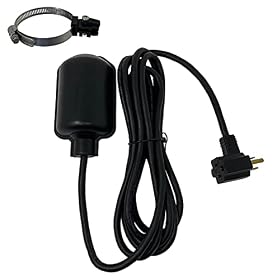
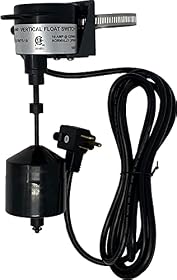
The float switch controls when the pump starts and stops. If it is trapped against the pump, basin wall, discharge pipe, or a nearby cord, it may not rise and fall freely. A tethered float can also be adjusted too tightly, leaving too little distance between the turn-on and turn-off levels.
Unplug the pump or switch off the correct circuit.
Confirm that the float moves freely through its full range.
Remove any debris, cords, or objects blocking it.
Check the manufacturer’s instructions for the required float clearance.
Restore power and watch several complete cycles.
Do not tape, tie, or permanently alter a float switch unless the manufacturer specifically permits that setup. If the float sticks, stays partially submerged, or fails to switch reliably, replace the switch if it is serviceable. For a sealed switch or an integrated pump control, replacement of the pump may be more practical.
Product prices and availability are accurate as of the date/time indicated and are subject to change. Any price and availability information displayed on Amazon.com at the time of purchase will apply to the purchase of this product.
Inspect the discharge pipe and check valve
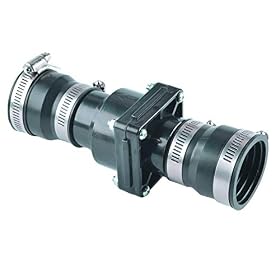
Water can flow back into the basin if the check valve is missing, installed backward, stuck open, or leaking. That returning water can raise the float and restart the pump shortly after it shuts off.
Check that:
The check valve arrow points in the direction of water flow.
The valve is installed on the discharge pipe above the pump.
The pipe connections are tight and free of cracks.
The discharge outlet is not blocked by ice, dirt, or a closed valve.
The pipe is not sharply kinked or crushed.
Some valves make a noticeable closing sound, but sound alone does not prove that the valve is working. With power disconnected, inspect accessible fittings for leaks. If the pump discharges water and the basin quickly refills from the pipe, a worn or incorrectly installed check valve is a likely cause. Replace it with a compatible valve sized for the discharge pipe and installed according to its instructions.
A restricted discharge line can also make the pump run longer, overheat, or fail to lower the water level. Never operate a sump pump against a closed discharge valve.
Product prices and availability are accurate as of the date/time indicated and are subject to change. Any price and availability information displayed on Amazon.com at the time of purchase will apply to the purchase of this product.
Look for water leaking back into the basin
A short cycle may be caused by water entering from somewhere other than the foundation drainage system. Check for:
A leaking check valve or pipe joint
A discharge line that ends too close to the foundation
Downspouts draining beside the basin or foundation
Surface water entering through an uncovered basin
A plumbing leak near the pit
Groundwater inflow after a storm
If the pump cycles only during rain, improve drainage around the foundation where possible. Extend downspouts away from the house and keep the basin cover properly fitted. If water continues entering rapidly when there has been no rain, a plumber or drainage professional may need to identify the source.
Product prices and availability are accurate as of the date/time indicated and are subject to change. Any price and availability information displayed on Amazon.com at the time of purchase will apply to the purchase of this product.
Confirm the basin is large enough
A basin with too little usable volume can cause frequent starts even when the pump and float are working correctly. The pump may lower the water level quickly, shut off, and then restart as soon as a small amount of water enters.
The basin should be deep and wide enough for the pump’s required operating range and float movement. Do not place the pump on loose gravel or debris, and do not raise it unless the manufacturer allows it. If the basin is undersized, changing the float setting may not solve the underlying problem. A properly sized basin or a different pump arrangement may be required.
Check whether the pump is oversized
A pump that moves water much faster than the drainage system supplies it can cause short cycles, especially in a small basin. This is more likely when a high-capacity pump has been installed as a replacement without checking the basin size, discharge height, and incoming flow.
Pump capacity is affected by head height, which is the vertical distance the pump must lift water, plus friction in the pipe and fittings. A pump’s advertised gallons-per-hour or gallons-per-minute figure may be measured at a low lift and may not represent its actual flow in your installation.
If the pump empties the pit almost immediately and restarts frequently, compare the pump’s operating requirements with the basin and discharge system. Do not install a smaller pump simply to mask a drainage problem. A sump-pump installer can determine whether the pump is correctly sized for the actual head height and inflow rate.
Inspect the pump and intake area
With the power disconnected, check for sediment, gravel, or debris around the pump intake. A partially blocked intake can reduce flow and interfere with normal cycling. Make sure the pump sits upright and that its intake openings are not pressed against the basin floor or wall.
If the pump makes grinding noises, trips the breaker, smells hot, vibrates excessively, or fails to lower the water level, stop using it. These symptoms can indicate a damaged impeller, motor, capacitor, or wiring problem. Electrical repairs and pump disassembly should follow the manufacturer’s instructions and, when necessary, be handled by a qualified professional.
Test the system after making a correction
After clearing a blockage, adjusting an approved float setting, or replacing a valve:
Reconnect power safely.
Add water to the basin gradually, or wait for the next normal inflow.
Watch the float rise and confirm that the pump starts at the expected level.
Confirm that water leaves through the discharge line.
Check that the pump stops after lowering the water level.
Watch several cycles for immediate restart, leaks, unusual noise, or overheating.
Keep hands, tools, and loose clothing away from the basin while the pump is energized. Do not reach into standing water around electrical equipment. If the outlet, cord, or pump is wet or damaged, shut off power at the breaker and obtain professional help.
When to replace the switch or pump
Replace a float switch when it sticks, fails to activate consistently, or cannot be adjusted within the manufacturer’s specified range. Replace a check valve when it allows obvious backflow, leaks, or remains stuck after cleaning and correct installation.
A replacement pump is reasonable when the motor is noisy, overheats, trips protection, has a damaged sealed switch, or continues short cycling after the float, valve, discharge line, basin, and pump sizing have been checked. Choose a replacement based on required head height, discharge-pipe size, float clearance, basin dimensions, and the manufacturer’s recommended duty cycle—not only the maximum advertised flow rate.
If the basement could flood during a pump failure, consider a separate backup pump or battery backup system after correcting the primary pump’s cycling problem. A backup is not a substitute for a properly sized and functioning primary pump.
FAQ
How often should a sump pump cycle?
There is no single correct interval because cycling depends on rainfall, groundwater, basin size, pump capacity, and discharge height. A normal cycle should lower the water level and allow the pump to remain off for a reasonable period. Starting and stopping every few seconds is abnormal.
Can a bad check valve cause sump pump short cycling?
Yes. If the check valve leaks or is installed backward, discharged water can flow back into the basin and raise the float again. Inspect the valve direction, connections, and condition.
Should I adjust the sump pump float?
Only if the pump manufacturer provides an approved adjustment method. The float must move freely and have enough distance between the start and stop levels. Tying or taping the float can cause flooding or pump damage.
Is short cycling dangerous for a sump pump?
Frequent starts can increase motor heat and wear, and they may indicate a blocked discharge line, electrical fault, failing switch, or incorrect setup. Investigate the cause promptly, especially before a storm.
Why does my sump pump cycle more during rain?
Heavy rain increases groundwater and surface-water inflow. Check that downspouts discharge away from the foundation, the basin cover fits correctly, and the pump and discharge line can handle the inflow. Persistent rapid cycling may require drainage or pump-sizing advice.