If your sump pump runs often or the pit fills quickly, first check whether roof runoff or surface water is reaching the foundation. Cleaning gutters, extending downspouts, and correcting grading can reduce the water entering the sump—sometimes making a larger pump unnecessary. These fixes will not solve every groundwater problem, but they are sensible first checks before changing pump capacity.
Setup · Thu Sep 17
Grading and Gutters Instead of a Bigger Sump Pump
A bigger sump pump may not solve water that is being directed toward your foundation. Check gutters, downspouts, and grading first, then reassess the pump.
Check gutters and downspouts first
Clogged gutters can overflow beside the house, while a downspout that empties near the foundation concentrates roof runoff in one spot. During or shortly after rain, look for overflowing sections, disconnected joints, and water pooling where a downspout ends.
Clear debris and repair leaks, then direct each downspout outlet away from the foundation to a place where water can drain without flowing back toward the house or onto a neighbor’s property. Use an extension or splash block if needed, and follow local rules about where runoff may discharge. Do not connect roof downspouts to the sump basin unless local requirements and a qualified professional specifically allow it.
Direct roof runoff away from the foundation
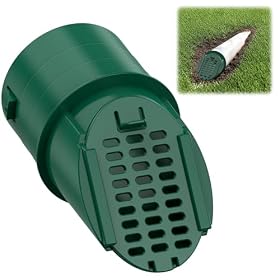 1 Pack 4" Slope Drainage Grate Cover, Rain Diverter, Drainage Grate Yard Drain, Drain Emitter…Lebenwell
$19.99 as of
View on Amazon 2 Pack 4" Gutter Downspout Extensions, Rain Diverter, Drainage Grate Yard Drain, Drain Emitter for…Lebenwell
$29.99 as of
View on Amazon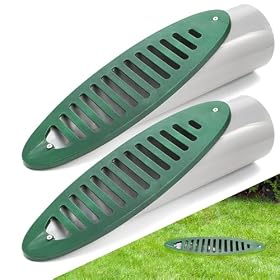 Mezchi 2 Pack 4 Inch Green Angled Drainage Grate, Yard Drain Emitter for Yard Drainage…Mezchi
$29.99 as of
View on Amazon
Product prices and availability are accurate as of the date/time indicated and are subject to change. Any price and availability information displayed on Amazon.com at the time of purchase will apply to the purchase of this product.
Check the slope of the ground
The soil beside the house should generally fall away from the foundation rather than form a shallow basin. A commonly used target is about 6 inches of fall over the first 10 feet where the site allows, but property layout, soil conditions, and local requirements can affect what is appropriate.
After rain, look for standing water, settled soil, or low spots near the foundation. Add and compact suitable soil where needed, keeping siding, vents, and other openings clear. Do not redirect runoff onto a neighboring property or toward another building. If the lot is flat, sloped toward the house, or confined by retaining walls, get advice from a drainage professional before making a larger grading change.
Guide downspout runoff away from the house
 Naacoo 2 Pack Downspout Splash Block, 24" Rain Gutter Downspout ExtensionsNAACOO
$24.99 as of
View on Amazon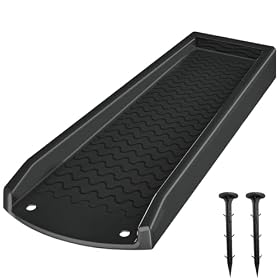 Naacoo Downspout Splash Block, 24" Rain Gutter Downspout ExtensionsNAACOO
$16.99 as of
View on Amazon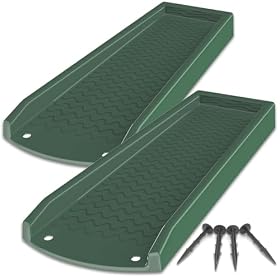 Naacoo 2 Pack Downspout Splash Block, 24" Rain Gutter Downspout ExtensionsNAACOO
$23.99 as of
View on Amazon
Product prices and availability are accurate as of the date/time indicated and are subject to change. Any price and availability information displayed on Amazon.com at the time of purchase will apply to the purchase of this product.
Reassess the sump pump after exterior fixes
Note when the pump runs and how long it runs during a storm, then compare that pattern after cleaning or redirecting runoff. If the pit fills less often, the exterior water controls were likely contributing to the workload.
If the pump still runs frequently, check for other causes before assuming it is undersized: a leaking or missing check valve can send water back into the pit, and a stuck float or incorrect installation can cause repeated cycling. Follow the pump manufacturer’s instructions, and disconnect power before inspecting equipment only if the area is dry and it is safe to do so. Never enter standing water where electrical equipment may be energized.
A larger pump may be appropriate when the existing unit cannot keep up with the actual inflow and the basin, discharge line, and electrical supply are suitable for the upgrade. Pump capacity alone does not correct water entering through a foundation or groundwater rising around the house. If water continues to enter despite working exterior drainage and a properly functioning pump, consult a qualified basement-waterproofing or drainage professional before buying a bigger unit.
FAQ
Can better grading reduce how often a sump pump runs?
Yes, if surface water is flowing or pooling near the foundation and then reaching the sump. Correcting low spots and directing runoff away can reduce that water load, though it will not address every groundwater or foundation leak.
How far should downspouts discharge from the foundation?
They should discharge far enough away that water does not flow back toward the foundation. The suitable distance depends on the property’s slope, drainage, and local rules; check where the water goes during rain.
When should I consider a larger sump pump?
Consider an upgrade only after checking exterior runoff, the pump’s operation, the check valve, and the discharge setup. A qualified professional can confirm that the basin, plumbing, and electrical supply can support a different pump.