Interior drain and sump as a package versus pump-only
A pump-only solution makes sense when a working basin and drainage path already collect water. If water is entering across the basement floor or there is no collection system, an interior drain-and-sump package may address more of the problem.
What the two options include
An interior drain-and-sump package typically combines a way to collect water around some or all of the basement perimeter, a sump basin, and a pump that moves collected water to a discharge point. The scope varies: some proposals include only part of the perimeter, while others may include a cover, check valve, discharge piping, or backup system. Confirm each item in writing.
A pump-only job replaces or adds the pump without installing a new interior drainage system. It is usually a better fit when water already reaches a properly installed basin and the problem is a failed, undersized, or unreliable pump. “Pump-only” can mean different things, so check whether the quote includes labor, a compatible switch, check valve, discharge connection, and testing.
Choose a package when the collection system is missing
Consider an interior drain-and-sump package if water seeps across a broad area at the floor perimeter, the basement has no working drain path to a basin, or an existing system repeatedly leaves water where it enters. The drain collects water; the pump removes it. A larger pump by itself cannot collect water that never reaches its basin.
Before approving the work, ask the contractor to identify the likely water entry path and show where the drain will run, where the basin will go, and where the discharge will end. Ask whether the proposal covers the full perimeter or only selected walls, what concrete removal and restoration are included, and how the system will be tested. Interior drainage can manage water that reaches the system, but it may not resolve other causes such as roof runoff, plumbing leaks, or water entering higher on a wall.
Product prices and availability are accurate as of the date/time indicated and are subject to change. Any price and availability information displayed on Amazon.com at the time of purchase will apply to the purchase of this product.
Choose pump-only when the basin and drain already work
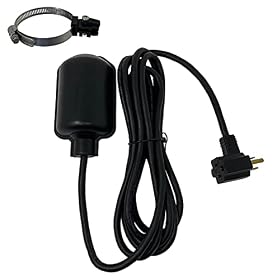
Pump-only replacement is often the simpler choice when water reliably flows into an existing basin and the pump is the clear failure point—for example, it will not start, runs continuously despite a low water level, or cannot keep up even though the float moves freely and the discharge line is clear.
Check the pump’s required capacity against the total vertical lift and the rest of the discharge setup, not just a headline gallons-per-hour figure. Pump output drops as it lifts water higher and pushes it through piping and fittings. Use the manufacturer’s performance information for the actual installation and verify that the pump fits the basin and works with its switch arrangement. If the basin is too small, the drain is blocked, or water is not reaching it, replacing the pump alone may not solve the problem.
Product prices and availability are accurate as of the date/time indicated and are subject to change. Any price and availability information displayed on Amazon.com at the time of purchase will apply to the purchase of this product.
Compare scope, disruption, and ongoing protection
Decision point
Interior drain-and-sump package
Pump-only
Main purpose
Collect water from a defined basement area and pump it out
Replace or add the pump that removes water from an existing basin
Best fit
Drainage path or basin is missing, inadequate, or poorly located
Existing drain and basin collect water correctly; pump is the issue
Work involved
Often concrete cutting and installation of drainage components; confirm exact scope
Usually limited to pump and connected components; confirm whether any repairs are included
Key limitation
Does not automatically correct every source of basement moisture
Cannot collect water that does not reach the basin
For either option, confirm the discharge location and local requirements. The line must carry water away from the foundation without creating a new drainage problem or sending water where it is prohibited. Ask what happens during a power outage: a battery backup, a separate backup pump, or another plan may be appropriate depending on the home’s risk and setup.
Product prices and availability are accurate as of the date/time indicated and are subject to change. Any price and availability information displayed on Amazon.com at the time of purchase will apply to the purchase of this product.
A practical way to decide
Find the water path. Note whether water is confined to the basin, appears along a stretch of floor, or comes from a wall, plumbing fixture, or another source.
Check the existing collection system. If safe and accessible, look for standing debris or an obvious blockage in the basin and drain opening. Do not reach into a basin while the pump is powered.
Check the discharge route. Look for a disconnected, crushed, frozen, or visibly clogged section. Follow the pump and system manufacturer’s instructions; disconnect power before inspecting or handling pump components.
Get the scope in writing. For a package, request a drawing or clear description of the drain coverage, basin, pump, discharge, restoration, and warranty. For pump-only, confirm the pump is compatible with the basin, switch, and discharge setup.
Compare proposals on the same work. A lower quote may exclude perimeter coverage, concrete restoration, discharge work, or backup protection. Compare included work rather than the package label.
If the basin and drainage path are sound, replacing a failed or mismatched pump is usually the more direct fix. If water has no reliable path to a basin, ask for an evaluation of an interior drainage system rather than expecting a stronger pump to solve the collection problem. For recurring water intrusion, uncertain discharge routing, or electrical work near water, consult a qualified professional and follow all manufacturer instructions.
FAQ
Can I install a sump pump without an interior drain?
Yes, if water already collects in a suitable basin. A pump removes water from the basin; it does not create a path for water entering elsewhere on the basement floor.
Does an interior drain-and-sump system stop all basement leaks?
No. It can collect and pump water that reaches the installed drain, but it may not fix plumbing leaks, roof runoff, or water entering through walls above the drain. Identify the source before choosing a remedy.
What should a sump pump quote include?
Confirm the pump and switch, basin compatibility, check valve and discharge connection if applicable, discharge destination, installation and testing, and any concrete or finish restoration. For a drainage package, also verify the drain route and how much perimeter is covered.
Do I need a backup pump with either option?
A backup may help reduce flooding risk during a power outage or primary-pump failure, but the right setup depends on the home and system. Ask about backup options and their power source, capacity, maintenance, and installation requirements.