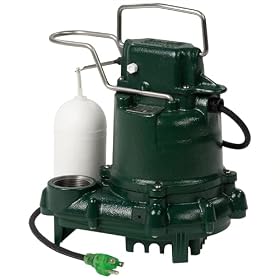
A simple water test can show whether your sump pump, float switch, and discharge line are ready for heavy rain. Inspect the setup first, then add water gradually and watch a complete pump cycle.
Before you start
Check the pump manual for test instructions. Keep the area around the sump pit dry and clear, and do not reach into water while the pump is plugged in. If you see damaged wiring, a wet or damaged outlet, or standing water near electrical connections, stop and contact a qualified professional. Never bypass a GFCI or use an extension cord as a workaround.
Before adding water, confirm that the pump is plugged into its intended outlet and that any GFCI has not tripped. Check that the discharge pipe is connected and that its outlet outside is clear of leaves, ice, debris, and anything that could send water back toward the foundation.
Product prices and availability are accurate as of the date/time indicated and are subject to change. Any price and availability information displayed on Amazon.com at the time of purchase will apply to the purchase of this product.
Inspect the pit, pump, and discharge line
Remove loose debris from the pit if you can do so without touching energized equipment. Look for a float that is trapped against the pit wall, a liner, or a pipe. The float should be able to move freely. Check that the pump sits upright and that the inlet is not blocked by debris.
Look over visible pipe connections for leaks or disconnections. If there is a check valve, inspect it for obvious damage or a loose connection. Do not disassemble plumbing while the system is powered or the pit contains water.
Product prices and availability are accurate as of the date/time indicated and are subject to change. Any price and availability information displayed on Amazon.com at the time of purchase will apply to the purchase of this product.
Run a water test
Add clean water to the pit slowly, using a bucket or hose. Keep the water level below the rim and avoid splashing electrical connections.
Watch the float as the water rises. The pump should switch on when the water reaches its activation level.
Confirm that water flows through the discharge line and exits away from the foundation. Keep clear of the outlet; discharged water can be forceful.
Let the pump lower the water level. It should switch off before the pit runs dry.
If needed, repeat once to confirm the pump starts and stops consistently.
Do not run a pump dry to test it. Stop adding water if the pit is filling faster than the pump can lower it, water is backing up, or the pump is making unusual noises. Follow the manufacturer’s instructions if the pump does not use a float switch or has a different test procedure.
Check the result and address problems
A successful test means the pump starts automatically, moves water through an unobstructed discharge route, and shuts off after lowering the water. Also check for leaks, unusual vibration, repeated cycling, or water returning to the pit after the pump stops.
If the pump does not start, first check the outlet and GFCI, then confirm that the float is free to move and the pit water is high enough to trigger it. If it runs but does not move water, stop the test and check for a blocked or disconnected discharge line and an obstructed inlet. Do not open the pump or work on wiring unless the manufacturer’s instructions say it is safe and you are qualified to do so.
A float that is visibly damaged or repeatedly fails to trigger may need replacement with a compatible part. If the pump hums without pumping, trips protection repeatedly, leaks from the unit, or still fails after basic checks, arrange professional diagnosis or replace the pump rather than relying on it during a storm.
Test backup protection separately
If you have a battery backup pump, water-powered backup, alarm, or other backup system, test it using its own manufacturer instructions. A working primary pump does not confirm that the backup pump, battery, charger, or alarm is ready. Check the battery condition and charging indicator as directed, and make sure backup discharge plumbing is clear.
FAQ
How often should I test my sump pump?
Test it before periods of heavy rain and follow the maintenance schedule in the pump manual. It is also sensible to test after repairs, a power interruption, or any change to the discharge line.
Can I test a sump pump by lifting the float?
Adding water to the pit is generally a safer way to confirm automatic operation because it tests the pump through a normal cycle. Follow the manufacturer’s instructions, and never put your hands in water around energized equipment.
What if the pump turns on but the water does not go down?
Stop the test. Check for an obstructed inlet, a disconnected or blocked discharge line, or water returning to the pit. If the visible plumbing is clear and the pump still cannot move water, arrange professional service.
Should I test a backup sump pump too?
Yes. Test the backup pump, battery or water supply, charger, and alarm separately according to their manuals. A successful test of the primary pump does not verify backup protection.