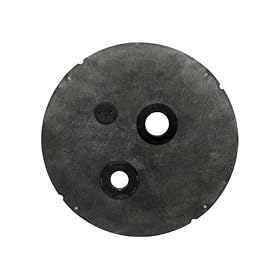
An air-gap lid is easier to access but can let basement air, moisture, and soil gases pass through. A properly fitted sealed lid limits those pathways, but it must preserve pump clearance and follow local requirements.
What the difference means
An air-gap sump pit lid leaves an opening or gap around the cover or its pipe and cord penetrations. A sealed lid fits the basin with a gasket or other seal and has close-fitting penetrations. The key difference is how much the cover blocks air and vapor from moving between the pit and basement—not how the pump moves water.
This comparison is about the pit cover. An air gap in plumbing is a separate term and does not mean the same thing as leaving a sump lid open.
A fitted sealed cover for a groundwater sump basin
Product prices and availability are accurate as of the date/time indicated and are subject to change. Any price and availability information displayed on Amazon.com at the time of purchase will apply to the purchase of this product.
When an air-gap lid may be appropriate
A loose or vented cover can make it simple to inspect the pump and route cords or pipes. But openings can also let soil gases, damp air, odors, insects, or debris into the basement. If the pit is associated with a radon problem, gaps may provide a route for soil gas to enter the house.
An open-style cover is not a good substitute for a purpose-built, secure cover. Keep children and pets away from an uncovered pit, and do not leave an opening that creates a fall or contact hazard.
Product prices and availability are accurate as of the date/time indicated and are subject to change. Any price and availability information displayed on Amazon.com at the time of purchase will apply to the purchase of this product.
When to choose a sealed lid
For a groundwater sump, a properly fitted sealed cover can reduce air, vapor, and debris exchange between the pit and basement. It may be especially useful when radon testing or a radon professional indicates that the sump is a soil-gas entry point. Sealing the lid alone does not guarantee safe radon levels or replace a designed radon mitigation system.
Choose a cover made for the basin and pump arrangement. It should have suitable openings for the discharge pipe, power cord, and any required vent or radon-system connection. The seal and penetrations should fit closely without pinching cords or interfering with the pump.
Check these details before changing the lid
Identify the pit: A groundwater sump is different from a sewage ejector pit. Sewage pits generally require a gas-tight cover and a vent arranged to code; do not use an open cover on one.
Check local requirements: Plumbing, building, and radon-system requirements vary. Follow the pump and basin manufacturers’ instructions and ask your local building department or a qualified plumber when requirements are unclear.
Preserve pump operation: The float switch must move freely through its full range. The lid must not press on the float, pump, check valve, or discharge pipe.
Plan every penetration: Use openings or fittings intended for the pipe, cord, and any venting. Do not cut a large gap and assume the lid is sealed.
Keep access practical: The cover should be removable for inspection and service, while remaining secured as intended. Do not permanently seal a lid that must be opened to maintain the pump.
Before opening or working around the pit, follow the pump manufacturer’s safety instructions. Keep electrical connections dry and away from standing water. If you cannot safely isolate the equipment, have a qualified professional handle the work.
Bottom line
For a typical groundwater sump, choose a sealed, properly fitted lid when limiting basement air and soil-gas pathways is important, provided it is compatible with the basin and pump and meets local requirements. An air-gap cover offers easier access but leaves a path for air, moisture, and debris. For a sewage ejector pit, radon-related work, or an unclear venting requirement, get guidance from the relevant professional rather than improvising the cover.
FAQ
Does a sealed sump pit lid stop radon?
It can reduce one possible pathway for soil gas to enter the basement, but a sealed lid alone does not establish that radon levels are safe or replace a properly designed radon mitigation system. Use radon testing and follow qualified mitigation guidance.
Does a sump pit need a vent?
Requirements depend on the type of pit, its equipment, and local code. Groundwater sump pits and sewage ejector pits are not interchangeable; check the manufacturer’s instructions and local requirements before sealing or adding a vent.
Can I seal around the sump pump cord and pipe with caulk?
Use a cover and penetration fittings intended for the basin and installation. Improvised caulking can make service difficult or interfere with the cord, pipe, or pump. Follow the manufacturer’s instructions and applicable code.