The quietest sump pump is usually a properly sized submersible model installed on a stable, vibration-damping base. Here is how to compare noise, performance, and installation details before you buy.
A quiet sump pump is usually a fully submersible model with a smooth-running motor, a stable base, and a discharge system that does not transmit vibration into the floor or walls. Since manufacturers do not use a consistent noise-rating standard for sump pumps, the best choice depends on more than the motor alone. Pump size, installation, check-valve noise, pipe movement, and water flow can all affect how loud the system seems in your basement.
What makes a sump pump quiet?
Look for these design and installation characteristics:
Submersible construction: The surrounding water helps muffle motor noise. Pedestal pumps keep the motor above the pit and are generally more noticeable in a finished basement.
A stable pump base: A pump that rocks or vibrates against the basin can create more noise than the motor itself. A level, solid base helps prevent this.
A vibration-resistant discharge connection: Rigid pipe touching the basin, joists, or wall can carry vibration through the structure. Flexible connectors may reduce transmitted noise when allowed by the installation instructions.
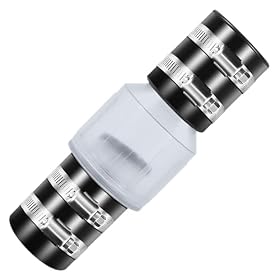
A reliable check valve: A poorly installed or noisy check valve can cause a sharp bang when the pump stops. Some sound is normal, but repeated hammering usually points to movement, poor support, or a valve problem.
Correct pump sizing: An oversized pump may cycle abruptly or move water noisily. An undersized pump may run for long periods and struggle during heavy inflow.
A sealed or covered basin: A properly fitted lid can reduce sound and help control moisture and odors. It should still provide the venting required by local plumbing rules and the pump manufacturer.
How to choose the best quiet sump pump
1. Choose a submersible pump for the lowest perceived noise
For most finished basements, a submersible pump is the better starting point. The motor sits below the waterline, so the basin and water reduce airborne sound. A pedestal pump can be useful where the pit is narrow or service access is a priority, but its exposed motor is usually easier to hear.
Do not assume that any submersible pump will be quiet. A loose base, rubbing float, or vibrating discharge pipe can make a quiet motor sound loud after installation.
2. Match capacity to your discharge setup
Sump pump capacity is normally described in gallons per hour or gallons per minute at a specified head height. The useful figure is the flow at your system's actual vertical lift and pipe length—not the pump's maximum flow with no discharge pipe attached.
Before buying, determine:
The vertical distance from the pump to the discharge outlet
The approximate horizontal pipe distance
The discharge-pipe diameter required by the pump
The number of elbows and fittings
Whether the pump must lift water through a check valve or other restriction
A pump that moves a large volume at low head may perform worse in your basement than a smaller pump designed for higher lift. Compare performance charts when available, and follow the manufacturer's sizing guidance.
3. Check the float-switch design
The float switch controls when the pump starts and stops. A switch that catches on the basin wall, discharge pipe, or power cord can cause short cycling, failure to start, or continuous operation.
For a compact basin, consider a vertical or electronically controlled switch if it is approved for the application. For a larger basin, a tethered float may provide a longer operating cycle, but it needs adequate clearance to move freely.
Never modify a float switch or defeat a pump's automatic controls. Keep the float away from the pump, basin walls, and wiring according to the instructions.
4. Look for a compatible check valve
A check valve prevents discharged water from flowing back into the pit when the pump stops. Without one, the pump may restart more often and make more noise as water repeatedly falls back into the basin.
The valve must match the pipe size and be installed in the correct direction. It should be supported so its weight does not pull on the pump outlet. If a valve makes a loud clack, inspect its mounting and the amount of movement in the pipe before assuming the pump motor is the problem.
5. Consider the basin and lid, not just the pump
A quiet pump can still produce a loud installation if the basin is too small, the lid rattles, or the pipe contacts the structure. The basin should provide enough clearance for the pump and float to operate without obstruction.
A sealed basin lid can reduce sound, but it must be properly fitted and vented as required. Do not cover or seal the pit in a way that traps gases or interferes with maintenance.
Product prices and availability are accurate as of the date/time indicated and are subject to change. Any price and availability information displayed on Amazon.com at the time of purchase will apply to the purchase of this product.
Installation details that reduce noise
Place the pump upright on a firm, level surface. Do not let it hang from the discharge pipe.
Keep the float switch clear. Confirm that it can rise and fall without touching the basin, cord, or pipe.
Support the discharge pipe. Prevent the pipe from tapping the basin, joists, drywall, or masonry.
Install the check valve in the correct direction. Follow the arrow on the valve body.
Leave the required air gap or discharge arrangement. Follow local plumbing requirements and the pump manual.
Use a properly grounded outlet. The circuit should be suitable for the pump and protected as required by local electrical code.
Test the system with clean water. Watch for vibration, leaks, short cycling, and unusual sounds as the pump starts and stops.
Electrical work around a sump pit is a shock hazard. Keep plugs and connections dry, use ground-fault protection where required, and have a qualified electrician handle wiring changes or an unsuitable outlet.
Product prices and availability are accurate as of the date/time indicated and are subject to change. Any price and availability information displayed on Amazon.com at the time of purchase will apply to the purchase of this product.
Common noises and what they mean
Low hum or steady motor sound
A moderate hum during operation is normal. If the sound suddenly becomes louder, check whether the pump is touching the basin, the base has shifted, or the discharge pipe is vibrating against a surface.
Loud bang when the pump stops
This is often caused by water movement in the discharge line or a check valve closing abruptly. Inspect the valve, pipe supports, and pipe layout. A replacement valve may help if the existing valve is damaged or incompatible, but install only a part approved for the pipe and pump system.
Rattling or grinding
Turn off power before inspecting the pump. Rattling can result from debris in the impeller or a loose component. Grinding may indicate worn bearings or motor damage. Do not put your hands into the pit while the pump is connected to power.
If removing debris and checking the installation does not resolve the noise, replacement is usually more practical than attempting an internal repair, especially if the pump is older or has also lost performance.
Frequent clicking or rapid cycling
Check for a restricted discharge, a stuck float, water flowing back through the discharge line, or a basin that is too small for the switch's operating range. Rapid cycling increases wear and can make the system seem louder.
Product prices and availability are accurate as of the date/time indicated and are subject to change. Any price and availability information displayed on Amazon.com at the time of purchase will apply to the purchase of this product.
When a quiet sump pump is not the right priority
Noise matters in a finished basement, bedroom-adjacent utility area, or home office, but reliability and correct capacity come first. A slightly louder pump that can handle the required head and inflow is preferable to a quieter pump that cannot keep up during a storm.
If flooding would cause major damage, consider a separate backup strategy rather than relying on a single pump. Options can include a battery-backed pump, a water-powered backup where permitted and suitable, a high-water alarm, or a standby generator. A backup pump should have its own compatible discharge arrangement and should not be installed in a way that blocks the primary pump's float or outlet.
When to replace the pump
Replacement is reasonable when the pump has a failing motor, damaged insulation, a cracked housing, repeated overheating, unreliable starting, or persistent grinding after basic checks. Replace it sooner if it has failed during a storm or cannot maintain the required water level.
When replacing a working but noisy pump, first rule out installation noise. A new motor will not solve a rattling lid, unsupported pipe, obstructed float, or defective check valve. Match the replacement's capacity, outlet size, switch clearance, and electrical requirements to the existing basin and discharge system.
FAQ
Are submersible sump pumps quieter than pedestal pumps?
Usually, yes. A submersible pump operates below the waterline, which helps muffle motor noise. Installation quality still matters because vibration from the pump, pipe, or check valve can carry through the basin and floor.
Do sump pump manufacturers publish decibel ratings?
Some may provide noise information, but there is no universally consistent sump-pump noise rating used across manufacturers. Pump design, basin construction, discharge piping, and installation can make a large difference in perceived volume.
How can I stop my sump pump from banging when it shuts off?
Inspect the check valve, pipe supports, and discharge layout. The valve may be closing abruptly, or the pipe may be moving and contacting the basin or surrounding structure. Replace the valve only with a compatible part and follow the installation instructions.
Is a larger sump pump always better?
No. Compare performance at the actual vertical lift and pipe length. An oversized pump may cycle abruptly or move water noisily, while an undersized pump may run continuously and fail to keep up with inflow.
Should I buy a quiet pump or a backup pump?
They solve different problems. A quiet primary pump improves comfort, while a backup system protects against power outages or primary-pump failure. If flooding would cause serious damage, backup protection is generally more important than minimizing a normal motor hum.