The best sump pump for a high water table is one sized for continuous inflow and your system’s actual vertical lift—not simply the pump with the highest horsepower. Here’s what to look for and when a backup pump is necessary.
A high water table can keep a sump pit under steady pressure, so the best sump pump is one that can handle frequent or continuous operation at your system’s actual discharge height. Look for a submersible pump with a published performance curve, a durable switch, adequate flow at your total head, and a backup plan for power failures or an overwhelmed primary pump.
What makes a sump pump suitable for a high water table?
A high water table usually means groundwater enters the pit regularly rather than only during heavy rain. That changes the buying decision in several important ways:
The pump may run often, so motor cooling, construction quality, and the manufacturer’s duty rating matter.
The pump must maintain flow against head height, including the vertical rise and resistance from fittings and the discharge pipe.
The switch needs to tolerate frequent cycling without sticking or turning on and off too quickly.
A backup system becomes more valuable, especially if the pump is your main protection against basement flooding.
Horsepower alone does not identify the right pump. A lower-horsepower pump with a useful performance curve at your required head can outperform a higher-horsepower pump that loses most of its flow when lifting water to the discharge point.
Choose by pump curve, not maximum gallons per hour
Pump packaging often lists a maximum flow rate measured with little or no lift. That number is not a realistic comparison for most installations. Instead, find the pump’s flow rate at your system’s total dynamic head.
Estimate the following:
Measure the vertical distance from the pump’s water outlet to the point where water exits the building or joins the approved drainage system.
Add the resistance created by elbows, check valves, reducers, and long runs of pipe.
Compare that total with the manufacturer’s performance chart.
For a high water table, select a pump that still provides a useful flow rate at this working head. If the pump barely meets the required flow on paper, a longer pipe run, a partially restricted check valve, or a small clog may leave it unable to keep up.
Do not solve an undersized discharge system by installing a more powerful pump without checking the pipe. A pump and discharge line should be matched according to the pump manufacturer’s instructions and local plumbing requirements.
Product prices and availability are accurate as of the date/time indicated and are subject to change. Any price and availability information displayed on Amazon.com at the time of purchase will apply to the purchase of this product.
Features that matter most
Submersible design
A submersible sump pump sits in the pit and is generally quieter than a pedestal design. It also keeps the motor enclosed and protected from the surrounding basement environment. For a pump that may operate frequently, choose a model approved for the intended installation and follow its required water depth and operating instructions.
Reliable float switch
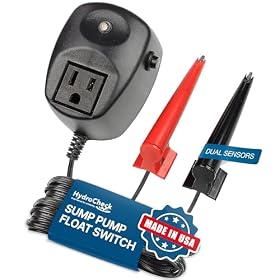
The float switch starts and stops the pump as the water level changes. For frequent operation, the switch should move freely without catching on the pump, basin wall, discharge pipe, or power cord.
A tethered float can work well in a sufficiently large basin, but it needs room to swing. A vertical switch is often easier to fit in a narrow pit, though the exact switch design and minimum basin dimensions vary. Electronic switches can be useful in some installations, but they still require proper setup and should not be selected solely because they sound more advanced.
Continuous-duty suitability
Check the manufacturer’s documentation for whether the pump is intended for the expected operating pattern. A high water table may cause the pump to run for long periods, especially during wet weather. Do not assume that any residential pump is suitable for uninterrupted operation.
Serviceable intake and protection from debris
The intake should remain clear of mud, gravel, insulation, and other debris. A pump that repeatedly handles sediment may wear faster or clog. The basin should be installed and maintained so that groundwater can enter while loose debris stays out.
Proper check valve
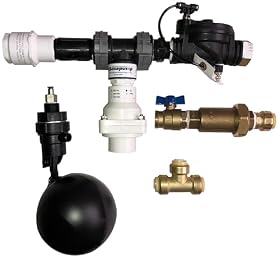
A check valve prevents water in the discharge pipe from flowing back into the pit after the pump stops. Without one, the pump may repeatedly lift the same water, causing unnecessary cycling.
The valve must match the pipe size and be installed in the correct direction. If it is stuck, installed backward, or overly restrictive, it can reduce discharge performance. A small weep hole may be required in some sump-pump installations, but follow the pump and plumbing instructions rather than drilling one automatically.
Product prices and availability are accurate as of the date/time indicated and are subject to change. Any price and availability information displayed on Amazon.com at the time of purchase will apply to the purchase of this product.
When one pump is not enough
A high water table does not always require a larger primary pump. It may require a more complete system:
Primary pump: Sized for the measured inflow and total head.
Secondary backup pump: Set to start if the water rises above the primary pump’s normal activation level.
Battery backup: Helps during a power outage, but its runtime depends on battery capacity, pump demand, and how often the pump runs.
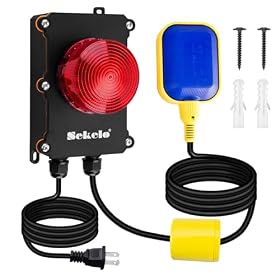
High-water alarm: Alerts you before water reaches the floor or gives a backup pump time to respond.
Generator or other backup power: Useful where outages are prolonged, provided the equipment is installed and operated safely.
A battery backup may not keep up with the same inflow as the primary pump. Check its performance curve and expected runtime instead of treating it as an equal replacement. In areas with frequent outages or severe groundwater pressure, a qualified basement-waterproofing or plumbing professional can help determine whether a second pump, a larger basin, drainage improvements, or a different discharge arrangement is needed.
Product prices and availability are accurate as of the date/time indicated and are subject to change. Any price and availability information displayed on Amazon.com at the time of purchase will apply to the purchase of this product.
Basin and installation considerations
The basin must be large enough for the pump and float to operate without interference. A narrow pit can cause a tethered float to hang up, while an undersized basin may cause short cycling. Short cycling—starting and stopping repeatedly after only small water-level changes—can increase wear.
The pump should stand upright on a stable base, not directly on loose sediment. The discharge line should slope or route as required so water does not drain back unnecessarily. Keep the outlet away from the foundation and use an approved discharge location; local rules may restrict where sump water can be released.
The electrical circuit should have the correct grounding and protection for the installation. Keep plugs and connections away from standing water, and do not use extension cords unless the manufacturer explicitly allows them and the electrical setup is appropriate. Have a qualified electrician handle questionable wiring, new circuits, or recurring breaker trips.
How to tell if your current pump is undersized
Your pump may be inadequate for a high water table if:
It runs almost constantly but the water level continues rising.
It pumps strongly at first but loses effectiveness at the discharge height.
The pit fills again immediately because water is flowing back through the discharge line.
The pump overheats, trips a breaker, or stops before the water level falls.
The float switch cycles rapidly or becomes stuck.
First verify the filter or intake area is clear, then inspect the hose or discharge pipe for clogs, kinks, ice, or crushed sections. Check the check valve for correct direction and operation. Confirm that the float moves freely and that the pump is installed at the correct water depth. If the pump still cannot keep up, compare its actual operating point with the manufacturer’s curve before replacing it with a larger unit.
Bottom line
For a high water table, prioritize a published pump curve, suitable continuous-operation guidance, a dependable float switch, and a correctly sized discharge system. A properly configured primary pump plus a backup pump, alarm, or backup power source is often more protective than simply buying the highest-horsepower model. If the water level rises despite a clear, correctly installed system, stop relying on the pump alone and have the inflow and drainage setup evaluated.
FAQ
Is a 1/2-horsepower sump pump good for a high water table?
It may be, but horsepower by itself is not enough to decide. Compare the pump’s flow at your actual vertical lift and pipe configuration, then confirm that it is suitable for the expected operating frequency.
Should I use two sump pumps for a high water table?
A second pump can be sensible when the inflow is high, the primary pump runs frequently, or flooding would be especially damaging. Set the backup to activate at a higher water level and provide a separate power or battery solution where possible.
Why does my sump pump run constantly but the pit still fills?
Common causes include an undersized pump, excessive head height, a clogged or restricted discharge line, a faulty check valve, a stuck float, or inflow greater than the system can handle. Check these physical causes in that order before assuming the motor has failed.
Does a larger sump basin help with a high water table?
A larger basin can reduce rapid cycling by providing more storage between pump cycles, but it does not increase the pump’s capacity. The pump and discharge system still need to remove water faster than it enters during peak conditions.