Ejector pump as an alternative for sewage in a basement bathroom
A sewage ejector system can move basement bathroom waste up to a sewer line when gravity drainage is not possible. A standard sump pump cannot handle toilet sewage.
Why a sump pump is not a substitute
A standard sump pump is designed to move groundwater—not toilet waste or sewage. Do not connect a toilet or bathroom drain to a typical sump basin or sump pump. Sewage can clog or damage the pump, create unsanitary conditions, and violate plumbing rules.
For a basement bathroom below the level of the sewer line, a sewage ejector pump is often the appropriate solution. It sits in a sealed basin and pumps wastewater from the toilet and other approved fixtures up to a drain line that can carry it away.
Product prices and availability are accurate as of the date/time indicated and are subject to change. Any price and availability information displayed on Amazon.com at the time of purchase will apply to the purchase of this product.
How a sewage ejector system works
Wastewater drains by gravity into a covered, sealed basin. When the water reaches the pump’s operating level, the pump sends it through a discharge line to the building’s sewer or septic connection. The system generally includes a sewage-rated pump, basin and cover, float control, discharge piping, and a check valve; venting and other components must follow the system design and local code.
Choose a pump specifically rated for the waste it will handle. Check the manufacturer’s instructions for permitted solids, required flow and lift, and compatible fixtures. Pump capacity must account for the vertical rise and the piping route, not just the number of bathroom fixtures.
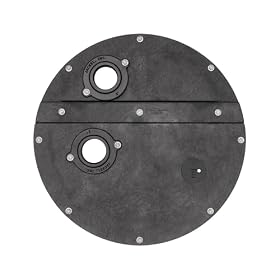
Sealed basin components for a sewage ejector installation
Product prices and availability are accurate as of the date/time indicated and are subject to change. Any price and availability information displayed on Amazon.com at the time of purchase will apply to the purchase of this product.
Alternatives for a basement bathroom
Sewage ejector system: Usually the practical choice when a conventional toilet and bathroom fixtures sit below the available gravity sewer connection.
Macerating toilet system: A specialized toilet system that reduces waste so it can be pumped through a smaller discharge line. It can suit some bathroom layouts, but fixture compatibility, discharge limits, and local code requirements matter.
Gravity drainage or rerouting: If the building layout and sewer elevations allow it, a plumber may be able to route drains to a suitable gravity connection. Excavation or extensive plumbing changes can make this impractical.
A grinder pump is not automatically necessary just because the bathroom is in a basement. It is intended for specific pumping conditions, such as certain pressure-sewer systems. Have a plumber determine whether an ejector or grinder system fits the discharge arrangement.
What to confirm before choosing a system
Where the waste must go: Confirm the sewer or septic connection point and its elevation relative to the bathroom.
What fixtures will drain into the basin: The pump and basin must be suitable for the toilet and every connected fixture. Follow the manufacturer’s limits.
The lift and piping route: Vertical lift, pipe length, fittings, and discharge-line size affect pump selection. Compare the installation requirements with the pump’s published performance information.
Basin, vent, and access requirements: A sewage basin needs an appropriate sealed cover and venting arrangement, plus access for service. Local plumbing rules may specify installation details.
Power and backup needs: Follow the pump maker’s electrical requirements. If an outage could cause a sewage backup, ask a plumber about suitable alarms or backup options; a typical sump-pump backup may not be compatible with a sewage ejector system.
When to call a plumber
Sewage ejector systems connect to sanitary drainage and involve electrical equipment. Have a qualified plumber confirm the design, venting, discharge connection, permits, and local code compliance. If sewage is already backing up, stop using the connected fixtures and contact a plumber promptly. Do not open a sewage basin or work on energized equipment unless you are qualified and have followed the manufacturer’s safety instructions.
FAQ
Can a regular sump pump pump toilet sewage?
No. A standard sump pump is made for groundwater, not toilet waste. Use a sewage-rated system designed for the fixtures and waste it will handle.
Is an ejector pump the same as a grinder pump?
No. A sewage ejector pump handles wastewater and solids within its rated limits. A grinder pump macerates waste and is used for particular discharge conditions; it is not automatically required for a basement bathroom.
Does a basement sewage ejector basin need to be vented?
Sewage ejector systems generally require a proper venting arrangement, but the exact design depends on the system and local plumbing code. Have a qualified plumber confirm it.
Can I connect a basement shower or sink to the ejector basin?
Often these fixtures can be served by the system, but only if the pump, basin, and plumbing layout are designed for them. Check the manufacturer’s instructions and local code before connecting fixtures.