A frozen sump pump discharge line can stop water from leaving your home and may force the pump to run continuously. Find the blockage, thaw it safely, and correct the slope, insulation, outlet, or check-valve problem that caused it.
A sump pump discharge freezes when water remains in the pipe or hose and cold air turns it into an ice plug. The fastest response is to protect the basement from flooding, disconnect power before handling the discharge line, and check the outlet, low spots, fittings, and check valve for ice or trapped water. Do not use an open flame or unsafe electrical heating device to thaw the pipe.
What to do first
Check whether the sump pit is filling. If the water is rising quickly, reduce water use in the home and arrange emergency help if the pump cannot discharge.
Turn off power before inspecting the pump or pipe. Use the circuit breaker or unplug the pump only if you can do so without standing in water. Keep electrical connections dry.
Look outside at the discharge outlet. Remove visible snow and ice around the end of the pipe, but do not hammer brittle PVC or force frozen fittings.
Check for a temporary backup option. A properly installed backup pump can help manage rising water while the main discharge is being repaired. Follow the pump and backup system instructions.
If the basement is flooding and electrical equipment is wet or submerged, do not enter the water to reach the pump. Contact a qualified electrician, plumber, or emergency service.
Common reasons a sump pump discharge freezes
The outlet is too close to the ground
A discharge pipe that ends at ground level can become buried by snow or surrounded by ice. Meltwater may also refreeze at the outlet and work its way backward into the line.
Clear snow and ice away from the outlet, and make sure water can flow away from the foundation. The discharge should not empty where it can drain back toward the house.
The pipe has a low spot
A properly sloped discharge line drains after the pump stops. A sagging hose or pipe can hold water, which then freezes. Inspect the entire exposed run for dips, crushed sections, or loose supports.
Replace or re-support sections that trap water. The exact slope and routing should follow the pump and discharge-system instructions and local requirements.
The line is exposed to cold air
Long, exposed runs of pipe are more likely to freeze, especially during prolonged subfreezing weather. Insulation can slow heat loss, but it does not fix a low spot or guarantee that a line will never freeze.
Use insulation intended for outdoor plumbing and protect it from water and weather. Do not wrap the pipe so tightly or permanently that you cannot inspect it later. Never place an improvised heat source, heating cable, or extension cord near wet electrical equipment unless the product is specifically approved for that use and installed according to its instructions.
The discharge hose is kinked or partially blocked
Flexible discharge hose can flatten, kink, or become clogged with ice, dirt, or debris. A partial restriction may let the pump run but prevent enough water from leaving the pit.
With power disconnected, inspect the hose and fittings. Replace a damaged or permanently kinked hose rather than trying to straighten a section that collapses again.
The check valve is holding water in the line
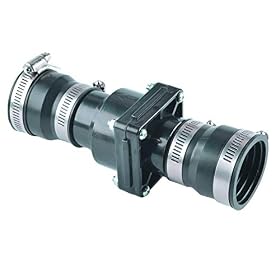
A check valve prevents discharged water from flowing back into the sump pit. If it is installed backward, clogged, damaged, or positioned incorrectly, it can restrict flow or leave more water in the discharge line than expected.
Check the flow-direction arrow and inspect the valve for debris or ice when the system is safe to access. Replace a valve that does not open freely or seal properly. Use the size and installation orientation specified for your pump and piping.
The pump is running continuously
A frozen or restricted discharge can make the pump run without lowering the water level. Continuous operation can overheat or wear the motor, so do not leave the pump running unattended while the outlet is blocked.
If the pump hums, trips the breaker, smells hot, or fails to move water after the discharge is cleared, stop using it and have the pump inspected.
Product prices and availability are accurate as of the date/time indicated and are subject to change. Any price and availability information displayed on Amazon.com at the time of purchase will apply to the purchase of this product.
How to thaw a frozen discharge safely
First, remove snow and ice from the outlet and expose as much of the discharge route as possible. If the line is accessible and the water level is stable, use gentle, controlled warming such as warm—not boiling—water on an exposed section. Keep water away from plugs, outlets, pump wiring, and electrical connections.
Do not use a torch, open flame, charcoal heater, or an unapproved space heater. Do not puncture the pipe to create a temporary drain; that can release water against the foundation and hide a larger problem.
If the frozen section is buried, inside a wall, difficult to reach, or still blocked after safe thawing, call a qualified plumber. Once flow is restored, watch a complete pump cycle and confirm that water exits well away from the foundation.
Product prices and availability are accurate as of the date/time indicated and are subject to change. Any price and availability information displayed on Amazon.com at the time of purchase will apply to the purchase of this product.
Preventing the discharge from freezing again
Improve the outlet and routing
Keep the outlet clear of snow, mulch, leaves, and ice.
Route water away from the foundation and toward a suitable drainage area.
Eliminate sags where water can collect.
Support exposed piping so it maintains a consistent downward path.
Avoid narrow sections or adapters that restrict flow.
Protect the outlet from being crushed by vehicles, snow equipment, or landscaping.
Review the discharge design
Some installations use a short flexible hose outdoors, while others use rigid pipe, a buried line, or a combination. The correct arrangement depends on local frost depth, soil conditions, the pump’s discharge size, and the manufacturer’s instructions. A longer line is not automatically better if it creates low points or excessive restriction.
If the line repeatedly freezes despite proper slope and a clear outlet, a plumber may need to reroute it, bury part of the discharge below the local frost line, add an appropriate freeze-relief arrangement, or change the outlet location. Do not modify the system in a way that allows water to discharge beside the foundation or bypasses required backflow protection.
Maintain the pump system before winter
Test the pump by adding water to the pit according to the manufacturer’s instructions. Confirm that the float switch starts and stops the pump, the check valve is not leaking excessively, and the discharge outlet has clear flow.
Inspect the pump filter or intake screen if the model has one, and remove debris from the pit. A dirty intake or weak pump can make a marginal discharge problem worse. If the pump is old, noisy, slow, or unable to move water at its rated outlet, replacement may be more sensible than relying on it during a freeze.
Product prices and availability are accurate as of the date/time indicated and are subject to change. Any price and availability information displayed on Amazon.com at the time of purchase will apply to the purchase of this product.
When to replace a part or the pump
Replace the discharge hose or pipe section when it is cracked, crushed, kinked, or repeatedly sags. Replace the check valve when it sticks, leaks backward, or restricts flow after cleaning and correct installation.
A replacement sump pump is reasonable when the motor overheats, trips the breaker, fails to start reliably, or cannot keep up after the discharge is known to be clear. Choose a pump that matches the basin, discharge size, lift height, and electrical requirements. A higher horsepower rating alone does not solve a frozen or poorly routed discharge.
For homes that face frequent outages or serious flood risk, consider a separate battery or water-powered backup system that is compatible with the basin and discharge plumbing. A backup pump does not eliminate the need to keep the primary discharge line clear, and installation should follow the system instructions and applicable electrical codes.
FAQ
Can a sump pump discharge line freeze underground?
Yes. A buried line can freeze if it is too shallow for the local frost conditions, holds water in a low spot, or has an outlet that becomes blocked. A professional can evaluate the burial depth, slope, and drainage route.
Will insulating a sump pump discharge pipe stop it from freezing?
Insulation can slow freezing in exposed areas, but it will not correct standing water, a blocked outlet, or poor slope. The discharge should drain freely after each pump cycle before insulation is added.
Can I pour hot water on a frozen sump pump pipe?
Use caution. Very hot or boiling water can damage some plastic pipes and may create an electrical hazard near the pump. Gentle warming of an exposed section is safer, with power and electrical connections protected from water. Never use an open flame.
Why does my sump pump run but not discharge water in winter?
The most common causes are an ice plug at the outlet or in the pipe, a kinked hose, a clogged check valve, or a low section holding frozen water. Disconnect power before inspecting the discharge and stop the pump if the water level is not falling.
Should I remove the check valve to prevent freezing?
Usually no. The check valve helps prevent discharged water from returning to the pit. Removing it can increase cycling and may cause the pump to handle more water than intended. Inspect its direction and condition instead, and follow the pump manufacturer’s requirements.