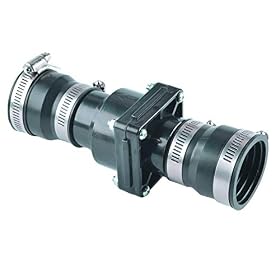
Two sump pumps can share one discharge pipe, but the setup must prevent backflow and provide enough capacity for both pumps. Here is how to connect them safely and when separate discharge lines are better.
Yes, two sump pumps can share one discharge line, but each pump needs its own check valve, and the common discharge pipe must be large enough for the combined flow. A poor setup can let one pump push water backward through the other pump, reduce performance, or overwhelm the discharge line during heavy rain.
How a shared discharge should be arranged
A typical arrangement looks like this:
Each sump pump connects to its own vertical discharge pipe.
Each branch has a check valve installed in the correct flow direction.
The two branches join at a properly sized wye or sanitary tee fitting.
The shared pipe carries water out of the building and away from the foundation.
The check valves should be installed above the pumps and below the point where the lines join, following the pump and valve manufacturers’ instructions. Do not rely on one check valve installed only after the two pipes merge. That may stop outside water from flowing back into the pit, but it does not prevent one pump from sending water backward through the other pump.
A wye fitting generally provides a smoother transition than a sharp, poorly oriented tee. Keep the shared section as short and direct as practical, and avoid unnecessary elbows.
What to check before combining the lines
1. Size the shared pipe for both pumps
The common discharge should not be smaller than the pipe size required by either pump, and it may need to be larger depending on the pumps’ flow rates, lift height, pipe length, and number of fittings.
Do not simply add the nominal outlet diameters and assume the result is correct. Check the pump performance information for flow at the actual vertical lift, then account for friction from elbows, valves, and horizontal pipe. If both pumps can run at the same time, the shared line must handle their combined operating flow.
If the pipe is undersized, the pumps may move less water than expected and run longer. A plumbing professional or the pump manufacturer can help size the common discharge when the pumps have different capacities or the discharge route is long.
2. Confirm both pumps can operate together
A shared line is most useful when the pumps are staged—for example, a primary pump handles normal water and a backup pump starts when the water level rises. But a backup pump may not be intended to run through the same small discharge line as the primary pump.
Check:
The rated flow and head requirements of each pump
Whether both pumps may run simultaneously
The diameter and material of each branch and the common pipe
The electrical circuit and outlet arrangement
The manufacturer’s instructions for discharge piping
If the backup pump is designed for emergency use only, sizing the shared line for both pumps at once is still prudent if both could operate during a severe storm or power-restoration event.
3. Install a check valve on each pump branch
Each pump should normally have a dedicated check valve. The arrow on the valve must point away from the pump and toward the discharge outlet.
A check valve helps keep the water column in the pipe from falling back into the basin when the pump stops. Without separate valves, water discharged by one pump can flow down the other pump’s line. That wastes pumping capacity and can cause cycling, noise, or unnecessary wear.
Use a valve compatible with the pipe size and pump discharge. Avoid reducing the outlet immediately unless the pump instructions specifically allow it.
4. Prevent water from returning to the foundation
The shared line should discharge far enough from the foundation to prevent pumped water from flowing back toward the sump. The outlet should also be protected from freezing, crushing, and blockage.
Where required by local rules, use an air gap or other approved arrangement at the discharge point. Do not route the sump discharge into a sanitary sewer unless local regulations and the plumbing design specifically permit it.
Product prices and availability are accurate as of the date/time indicated and are subject to change. Any price and availability information displayed on Amazon.com at the time of purchase will apply to the purchase of this product.
When separate discharge lines are better
Separate outlets are often the better choice when:
The two pumps have substantially different flow requirements
The common pipe would need extensive resizing or complicated fittings
The pumps are located far apart
Both pumps may run at high flow for long periods
One pump is a high-capacity primary pump and the other is an emergency backup
A shared line would create a single point of failure
Separate lines also make troubleshooting easier. If the common discharge clogs or freezes, both pumps can be affected. With independent outlets, one system may continue working while the other is repaired.
Product prices and availability are accurate as of the date/time indicated and are subject to change. Any price and availability information displayed on Amazon.com at the time of purchase will apply to the purchase of this product.
Common mistakes to avoid
Using one check valve after the connection
This does not adequately isolate the pumps from one another. Install a check valve on each branch unless the equipment manufacturer specifies another approved design.
Making the common pipe smaller
A smaller shared pipe can restrict flow, especially when both pumps run. It can also increase friction loss and reduce the actual discharge rate.
Joining the pipes too close to the pump outlets
Leave enough room to install, inspect, and replace each check valve. A cramped layout can make routine maintenance difficult and may place excessive stress on pump fittings.
Installing check valves backward
A backward valve can stop or severely restrict discharge. Follow the flow arrow and verify operation after installation.
Ignoring freezing and discharge blockage
A shared outdoor line can freeze or become blocked by ice, dirt, landscaping material, or a damaged outlet. Inspect it before storm season and after unusually cold weather.
A practical setup check
After installation, test the system in a controlled way:
Add water to the basin until the primary pump starts.
Confirm water leaves the building and does not return to the pit after shutoff.
Repeat with the second pump.
If both pumps can run together, raise the water level enough to activate both and watch the common pipe and fittings.
Check for leaks, vibration, unusual cycling, and slow discharge.
Confirm the outlet remains clear and water flows away from the foundation.
Do not place hands near a pump or wiring while it is energized. Disconnect power according to the manufacturer’s instructions before servicing. Electrical changes, new circuits, and work in wet areas should be handled by a qualified professional when you are not certain the installation is safe.
Bottom line
Two sump pumps can share one discharge, provided each pump has its own check valve and the common pipe is sized for the maximum expected flow. For a simple primary-and-backup arrangement, a properly designed shared line may work well. If the pumps have different capacities, the pipe run is long, or both pumps must handle heavy inflow at once, separate discharge lines may provide better capacity and redundancy.
FAQ
Can two sump pumps use the same check valve?
They generally should not. Install a check valve on each pump’s discharge branch so water from one pump cannot flow backward through the other pump.
Should the shared sump pump discharge pipe be larger?
It may need to be. The common pipe must handle the combined flow of both pumps at the actual lift height and pipe length. Follow pump instructions or have the line sized by a qualified professional.
Can a primary sump pump and backup pump share a discharge pipe?
Yes, if both pumps are compatible with the arrangement, each has a check valve, and the shared line can handle both pumps running at once. Separate outlets may offer better redundancy.
What fitting should connect two sump pump discharge lines?
A properly oriented wye fitting is often preferable because it provides a smoother flow path. The fitting and pipe sizes should match the flow and installation requirements.