A townhouse basement needs more than a pump that moves water. The right setup must fit the existing basin, handle the total lift and pipe resistance, limit vibration near shared walls, and discharge legally and safely away from the foundation.
A good sump pump for a townhouse shared-wall basement should fit the existing pit, move water through the full discharge route, and operate with as little vibration and noise as practical. Before buying, check the basin diameter and depth, vertical lift, discharge-pipe size, outlet location, and any townhouse association or local requirements. A quiet primary pump with a reliable check valve—and backup protection if flooding would be costly—is usually a better choice than simply buying the highest-horsepower model.
What to check before choosing a pump
Measure the existing basin
Measure the inside diameter and usable depth of the sump basin. Many replacement pumps are designed to sit in a standard-size pit, but a larger pump, external float, or backup pump may not fit comfortably in a narrow basin.
Also check:
Whether the basin has a removable cover
The location of the discharge pipe and electrical outlet
How much space remains for a backup pump or water-powered backup system
Whether the cover allows the float to move freely
Whether the basin collects sediment or has a damaged liner
Do not force a larger pump into a small pit. A restricted float can leave the pump running continuously or prevent it from starting.
Determine the total lift and pipe resistance
Pump capacity depends on more than the advertised gallons-per-hour figure. The pump must push water from the typical water level in the basin up to the discharge outlet, then through the horizontal pipe run, elbows, check valve, and any other restrictions.
The vertical distance is often called the total dynamic head or head height. Use the pump manufacturer's performance chart at the height your installation requires. A pump that looks powerful at low lift may deliver substantially less water at a higher lift or through a long, restrictive discharge line.
Avoid choosing by horsepower alone. Compare the pump curve, discharge-pipe requirements, and the expected water inflow during heavy rain.
Confirm the discharge route
In a townhouse, the discharge line may pass through shared exterior areas, a foundation wall, a utility chase, or a common drainage area. Confirm where the existing line goes before replacing or rerouting the pump.
The discharge should carry water far enough from the foundation that it does not return to the sump through the soil. Local rules may restrict discharge onto sidewalks, neighboring property, common areas, or sanitary sewer lines. A townhouse association may also require approval before exterior changes.
Never connect a sump discharge to a system that is not approved for that use. Follow local plumbing requirements and the pump manufacturer's installation instructions.
Features that matter near a shared wall
Low vibration and reasonable operating noise
A sump pump cannot be completely silent, but installation has a major effect on how much sound travels through a shared wall. A rigid pipe touching framing or masonry can transmit motor and water-hammer noise into adjacent spaces.
Use the manufacturer's recommended fittings and support the discharge pipe so it does not bang against the basin, wall, joists, or other plumbing. Where appropriate, an approved flexible connector or vibration-isolating support can reduce transmitted noise, but it must not kink or restrict the discharge line.
A sealed basin cover can also reduce odors and some airborne sound. The cover must still provide the openings, venting, and access required by the installation instructions. Do not block the float or create an unsafe arrangement around the electrical cord.
A reliable float switch
The float switch should have enough room to rise and fall without contacting the basin wall, pump, cord, or discharge pipe. A narrow shared-wall basement basin may work better with a vertical or compact float design, depending on the pump and basin layout.
Before buying, compare the switch's required operating space with the inside dimensions of the pit. A switch that sticks can cause overflow, premature wear, or continuous operation.
A correctly sized check valve
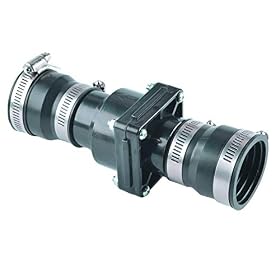
A check valve helps prevent water in the discharge pipe from flowing back into the basin after the pump stops. Without one, the pump may cycle repeatedly as the same column of water drains back into the pit.
Use a valve that matches the discharge-pipe size and installation direction. An incorrectly installed, clogged, or overly restrictive valve can reduce flow. If the valve closes abruptly and causes loud banging, follow the manufacturer's instructions for a quieter compatible valve or have a plumber assess the piping.
Product prices and availability are accurate as of the date/time indicated and are subject to change. Any price and availability information displayed on Amazon.com at the time of purchase will apply to the purchase of this product.
Should a townhouse basement have a backup pump?
Consider backup protection if the basement contains a finished living area, furnace, water heater, electrical equipment, storage that would be difficult to replace, or if the home is unattended during storms.
Common options include:
Battery backup pump: Useful during a power outage, provided the battery is maintained and the backup has a suitable discharge arrangement.
Water-powered backup pump: May operate without household electricity, but it requires an appropriate water supply, can use significant water, and may not be permitted or practical in every location.
Second pump in the same basin: Can provide extra capacity or backup, but the basin must have enough room and the electrical circuits must be arranged safely.
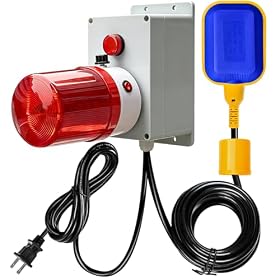
High-water alarm: Alerts you before water reaches the floor, even when a backup pump is not installed.
A backup pump is not a substitute for a properly sized primary pump. It also will not help if the discharge line is blocked, frozen, disconnected, or routed incorrectly.
Product prices and availability are accurate as of the date/time indicated and are subject to change. Any price and availability information displayed on Amazon.com at the time of purchase will apply to the purchase of this product.
Electrical and installation considerations
Use a properly grounded outlet with ground-fault protection where required by local code and the manufacturer's instructions. Keep plugs and connections above the area where water could collect, and do not use an extension cord as a permanent sump-pump installation.
If the pump trips a breaker, repeatedly loses power, or operates with a damaged cord, unplug it only if doing so is safe and have the electrical problem evaluated. Do not defeat ground-fault protection or modify the pump's wiring.
A licensed plumber or qualified electrician is appropriate when the installation requires a new circuit, wall penetration, backflow protection, structural changes, or work on shared or common property.
Product prices and availability are accurate as of the date/time indicated and are subject to change. Any price and availability information displayed on Amazon.com at the time of purchase will apply to the purchase of this product.
A practical buying checklist
Before ordering a replacement, verify:
The pump fits the basin without restricting the float.
The pump's performance chart covers the required lift and discharge route.
The discharge outlet and pipe size match the existing installation or planned replacement.
The pump is suitable for the expected water and sediment conditions.
The check valve is compatible and installed in the correct direction.
The pump can connect safely to the available outlet.
The discharge route complies with local rules and townhouse association requirements.
There is room for a backup pump, alarm, or other protection if needed.
The pipe is supported to reduce vibration against the shared wall.
If the basin is too small, cracked, poorly located, or constantly fills with sediment, replacing only the pump may not solve the problem. A plumber may need to repair or replace the basin and discharge system.
Product prices and availability are accurate as of the date/time indicated and are subject to change. Any price and availability information displayed on Amazon.com at the time of purchase will apply to the purchase of this product.
When to replace the pump instead of repairing it
A pump may be worth repairing when the problem is a clogged intake, stuck float, failed check valve, or replaceable switch that the manufacturer supports. Replacement is usually more reasonable when the motor hums without pumping, trips protection repeatedly, leaks oil or other fluid, has damaged wiring, or has become unreliable during storms.
If the pump runs continuously, first check for a restricted discharge, excessive inflow, a stuck float, or water flowing back through the check valve. If those issues are corrected and the pump still cannot keep up, select a replacement using the required head and flow—not just the motor rating.
For a shared-wall townhouse, prioritize a properly fitting, serviceable pump and quiet, well-supported piping over an oversized model that may cycle poorly or transmit more vibration. When flooding would cause major damage, pair the primary pump with a maintained backup and a high-water alarm.
FAQ
What size sump pump is appropriate for a townhouse basement?
The correct size depends on water inflow, vertical lift, pipe length, elbows, check-valve resistance, and discharge-pipe size. Use the manufacturer's performance chart at the required head rather than choosing by horsepower alone.
How can I reduce sump-pump noise through a shared wall?
Keep the pump and discharge pipe from touching the wall or framing, support the pipe securely, use compatible vibration-isolating fittings where allowed, and consider a properly fitted basin cover. A check valve that closes quietly can also reduce water hammer.
Can a sump pump discharge onto a townhouse common area?
Do not assume that it can. Check local drainage rules and townhouse association requirements before changing the discharge route. The outlet should not send water toward the foundation, a walkway, neighboring property, or another restricted area.
Is a battery backup sump pump worth installing in a townhouse?
It can be worthwhile when a finished basement, storm-related outage, or unattended home makes flooding especially costly. The battery, backup pump, and discharge arrangement must be compatible and maintained regularly.
Why does a sump pump keep running in a townhouse basement?
Check the float for obstruction, inspect the discharge pipe and check valve, look for water returning to the basin, and confirm that the pump can handle the required lift. Continuous operation can also indicate unusually high inflow or an undersized or failing pump.