An unused cottage sump needs a winter plan based on whether water can still enter the pit and whether the pump or discharge pipe could freeze. Don’t simply unplug the pump or empty the pit: either step can leave the building unprotected if groundwater rises. If the cottage will be unheated and freezing is possible, have a qualified plumber or sump-pump professional assess the setup before you leave.
Seasonal · Mon Sep 14
Winterizing an Unused Seasonal Cottage Sump
A sump pump should not automatically be unplugged or removed for winter. First determine whether water could enter the pit, then check that the pump and discharge route can handle freezing conditions.
Decide whether the sump must stay active
Check the cottage’s history and surroundings. A high water table, spring thaw, heavy rain, nearby water, or past pump cycles can mean the sump still needs to operate in winter—even when no one is staying there. Consider whether the pump has run during previous cold-weather visits, not just during summer storms.
If water could enter the pit, keep the pump available and make sure it has reliable power. A power outage can disable a standard pump; a backup system may help, but it also needs to be suitable for the expected conditions and maintained according to its instructions. If you cannot determine the winter water risk, ask a local professional rather than assuming the pit will stay dry.
Replacement check valve for a leaking or damaged sump discharge
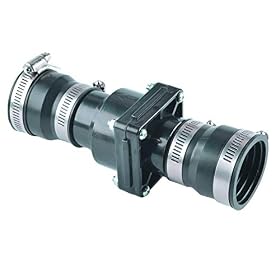 Hydro Master Plastic Sump Pump Check Valve with Stainless Steel Clamps for 1-1/2 inch or…HYDRO MASTER
$15.99 as of
View on Amazon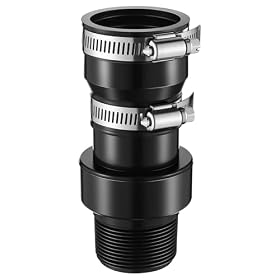 Tellingyou Sump Pump Check Valve Fits 1-1/2" or 1-1/4" Pipe ThreadTellingyou
$9.99 as of
View on Amazon Ceoighe Quiet Sump Pump Check Valve, 2 Inch PVC Check Valve Fits 2" Schedule 40…Ceoighe
$25.99 as of
View on Amazon
Product prices and availability are accurate as of the date/time indicated and are subject to change. Any price and availability information displayed on Amazon.com at the time of purchase will apply to the purchase of this product.
Check the pump, pit, and discharge route
Before leaving:
- Inspect the pit and pump. With power disconnected where required by the manufacturer, remove loose debris you can safely reach. Do not put your hands near a pump that is connected to power. Check for visible damage, corrosion, or a pump that is sitting crooked.
- Test normal operation. Follow the manufacturer’s instructions to confirm that the float moves freely and the pump starts and stops. Keep clear of electrical components and stop if you notice unusual noise, leaking, or a burning smell.
- Look for a blocked or frozen discharge. Trace the pipe to its outlet. Make sure the outlet is open, water can drain away from the foundation, and the route is not crushed, clogged, or positioned where water will pool and freeze. A blocked line can prevent pumping and may cause damage.
- Check joints and the check valve. Look for loose connections or signs that water is leaking back into the pit after the pump stops. Replace a damaged valve or seal with a compatible part, following the pump and valve instructions.
- Confirm the setup is correct. The pump should be level and installed as directed, and its float should not be trapped against the basin or piping. Make sure any cover or basin components are in place as specified by the manufacturer.
Insulation can slow freezing but cannot guarantee that an exposed pipe will stay open during a prolonged cold spell. Don’t cap the discharge line or use an improvised heat source. If the pipe is exposed or has frozen before, ask a qualified professional about a code-compliant, freeze-resistant discharge arrangement.
Backup protection if the sump must remain active during power outages
 VEVOR 2500W Sump Pump Battery Backup System, LCD Display, Auto Switches to Battery Inverter Power…VEVOR
$185.12 as of
View on Amazon 2500 Watt Sump Pump Backup Battery System, Automatic Switching to Battery Inverter Power, Professional Backup…VIOPUMPO
$280.49 as of
View on Amazon Wayne Preassembled Primary & Battery Backup Sump Pump Combo SystemWayne
$549.99 as of
View on Amazon
Product prices and availability are accurate as of the date/time indicated and are subject to change. Any price and availability information displayed on Amazon.com at the time of purchase will apply to the purchase of this product.
Choose a safe plan for an unheated cottage
If the pump and its plumbing can remain above freezing and the pit may receive water, leave the system set up to operate and arrange for someone to check the property periodically. Confirm that the power supply is reliable; do not rely on an extension cord or an unapproved heater as a winter solution.
If the pump, pit, or discharge pipe may freeze, don’t assume that removing the pump or draining the pit is safe. The right approach depends on groundwater, the pump design, and the discharge layout. Have a qualified plumber or pump installer decide whether the system should remain active, be protected from freezing, or be professionally drained or removed. Follow the equipment manufacturer’s instructions, and use a licensed electrician for electrical changes.
When to repair or replace equipment
Replace a check valve, seal, or other compatible part when inspection shows it is damaged or allowing water to flow back into the pit. If the pump will not start during a correctly performed test, repeatedly trips a breaker, makes unusual noises, or cannot keep the discharge route clear, stop relying on it and have it inspected. A professional can determine whether repair or pump replacement is appropriate for the cottage’s water risk and winter conditions.
FAQ
Should I unplug the sump pump when I close the cottage for winter?
Not automatically. If groundwater or runoff could enter the pit, unplugging the pump could leave the cottage unprotected. If freezing is possible, have a qualified professional assess how to protect the system rather than simply disconnecting it.
Can I pour antifreeze into the sump pit?
Do not pour automotive antifreeze or other chemicals into the pit. Follow the pump manufacturer’s instructions and ask a qualified local professional about safe freeze protection for your setup.
Will insulating the discharge pipe prevent it from freezing?
Insulation can slow heat loss, but it does not guarantee that a pipe will stay open during sustained freezing weather. The outlet and pipe layout matter; get professional advice if the line is exposed or has frozen before.
Can I remove the sump pump for the winter?
Only if a qualified professional determines that removal is appropriate for your site. If water can enter the pit, removing the pump may increase flood risk, and leaving water in a freezing system may damage equipment.