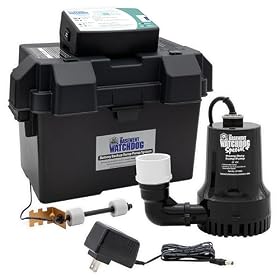
If power outages are common, the best sump pump setup is usually a reliable primary pump paired with a properly sized backup. Compare battery and water-powered backups, check real pumping capacity, and plan for alarms, discharge protection, and maintenance before the next storm.
Best sump pump if power outages are common
If your basement is at risk whenever the electricity fails, the best choice is usually not a single replacement pump. It is a primary sump pump plus an independently powered backup system, with an alarm and a discharge line that will not freeze or drain back into the pit. For most homes, a battery-backup sump pump is the practical starting point; a water-powered backup may be useful where municipal water pressure is dependable, while a generator can support the entire primary pump and other household circuits.
Choose the backup system before choosing the pump
Power outages create different problems depending on their cause and duration. A short outage during a thunderstorm may only require enough battery capacity to operate for several hours. A multi-day outage may require a larger battery bank, a generator, or a water-powered backup.
Battery-backup sump pumps
A battery backup has a separate pump, float or water-level sensor, control unit, and battery. It can operate even when the primary pump has no electricity, provided the battery is charged and the backup pump is correctly installed.
A battery system is generally the most versatile option because it can work during outages without municipal water service. Look for:
A backup pump that can handle the vertical lift from your pit to the discharge outlet
A clearly stated pumping capacity at your actual discharge height, not only the rating at zero lift
A battery type and capacity recommended by the manufacturer
A high-water and power-failure alarm
A battery condition or low-battery warning
Compatibility with your basin, discharge pipe, check valve, and primary pump
A control panel that can be inspected easily
Battery runtime depends on pump load, water inflow, battery condition, temperature, and the height and length of the discharge line. Do not assume that a larger advertised gallons-per-hour figure automatically means longer runtime. A pump that moves more water may also consume more power.
Water-powered backup pumps
A water-powered backup uses municipal water pressure rather than electricity. It may continue working through a power outage and does not need a stored battery. However, it requires an appropriate pressurized water supply, correct plumbing, and a suitable connection approved for the installation.
Before considering one, verify:
That your home has municipal water rather than a private well that will stop during an outage
The available water pressure and flow at the installation point
Whether local plumbing rules permit the installation
How much municipal water the backup uses while operating
Whether the system can pump from your basin to the discharge point
A water-powered pump is not a universal substitute for a battery system. It may be unsuitable if water pressure is low, the home uses a well pump, or conserving water during an emergency is important. Installation may also require a licensed plumber or other qualified professional.
Generator-supported primary pumps
A standby or portable generator can keep the primary sump pump operating and may also power heating equipment, refrigerators, lights, and other critical loads. It does not automatically provide a separate pump if the primary pump, float switch, breaker, or discharge line fails.
If you rely on a generator, confirm that the generator is rated for the pump's starting load as well as its running load. Follow generator placement, grounding, transfer-switch, and carbon-monoxide safety requirements. Never operate a fuel-burning generator indoors, in a garage, or near doors and windows. A qualified electrician should install a permanent transfer switch or other fixed connection.
Specifications that affect the buying decision
Pumping capacity at discharge height
Sump pump capacity is often listed in gallons per hour or gallons per minute. The useful number is the capacity at your system's total head: the vertical distance from the pump outlet to where water exits, plus the resistance from horizontal pipe runs, elbows, check valves, and other fittings.
Measure or estimate the vertical lift before comparing pumps. A pump with a strong no-lift rating may move substantially less water at the height your home requires. Select a backup that can keep up with the inflow under realistic conditions, and follow the manufacturer's sizing guidance.
Battery chemistry and capacity
Common backup systems use sealed lead-acid batteries, while some newer systems may support other battery technologies. Battery capacity, charging requirements, temperature, and replacement cost can vary. Use only the battery type specified for the backup controller. Do not place a non-approved battery in a sealed enclosure or substitute a battery without confirming compatibility.
If the sump pit receives water frequently, prioritize a system with useful runtime information and a reliable alarm rather than choosing solely by pump capacity.
Switch design
The backup needs a dependable way to detect rising water. Float switches need enough room to move freely and can be affected by nearby pipes, cords, sediment, or the primary pump. Electronic water-level sensors avoid some mechanical interference but still require correct installation and maintenance.
Whichever design you choose, make sure the switch can be tested without disabling the primary pump and that it has adequate clearance inside the basin.
Check valves and discharge plumbing
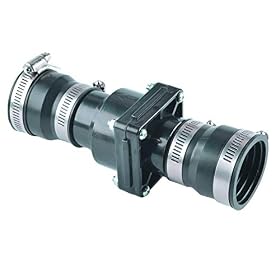
A check valve helps prevent pumped water from flowing back into the pit when the pump stops. A backup installation may require its own check valve or a particular valve arrangement. Follow the pump manufacturer's plumbing diagram rather than adding valves in an improvised configuration.
Poorly arranged discharge plumbing can cause backflow, short cycling, reduced capacity, or pump damage. The outlet should discharge away from the foundation and remain usable during heavy rain and freezing weather.
Alarm and monitoring features
An audible alarm can warn you about a high water level, power loss, pump operation, or low battery. Some systems can also send remote alerts, but a notification feature is not a replacement for an audible local alarm or regular maintenance. Test the alarm and any remote connection before relying on them.
Product prices and availability are accurate as of the date/time indicated and are subject to change. Any price and availability information displayed on Amazon.com at the time of purchase will apply to the purchase of this product.
A practical setup for outage-prone homes
For many homes, a sensible configuration is:
A primary sump pump sized for the basin and discharge height
A separate battery-backup pump with its own switch and controller
A compatible check-valve and discharge arrangement
A high-water and power-failure alarm
A fully charged, manufacturer-approved battery
An optional generator for extended outages and other essential circuits
If the basement has valuable finished space, a high water table, or frequent flooding, consider two independent backup methods rather than relying on one device. A battery backup and a generator can complement each other: the battery provides automatic coverage while the generator supports longer outages. A water-powered backup may be an alternative where municipal water conditions and local rules make it appropriate.
Product prices and availability are accurate as of the date/time indicated and are subject to change. Any price and availability information displayed on Amazon.com at the time of purchase will apply to the purchase of this product.
Installation and maintenance checks
Before the next storm, verify the following:
The primary and backup pumps are both secured and their switches move freely.
The basin is free of mud, stones, and debris that could block the pump or switch.
The discharge pipe drains away from the foundation.
The check valve is installed in the direction shown by its flow arrow.
The backup battery is the specified type and is not swollen, leaking, cracked, or past its recommended service interval.
The alarm works and can be heard where occupants will notice it.
The primary pump and backup pump do not interfere with each other's switches.
The outlet, breaker, and backup controller are protected from water and installed according to applicable electrical requirements.
Test each pump by adding water to the basin gradually, rather than running a pump dry. Confirm that the pump starts, discharges water, stops normally, and does not cause the water level to rise unexpectedly. Disconnecting power to the primary pump can help verify the backup, but follow the manufacturer's test procedure and do not create an unsafe electrical condition.
Product prices and availability are accurate as of the date/time indicated and are subject to change. Any price and availability information displayed on Amazon.com at the time of purchase will apply to the purchase of this product.
When the best choice is replacement rather than another backup
A backup pump cannot compensate for an undersized, badly installed, or failing primary system. Consider replacing the primary pump if it runs continuously, struggles to lower the water level, makes unusual noises, has a damaged cord, repeatedly trips a breaker, or shows corrosion or switch problems.
Replace a battery when it fails a manufacturer-recommended test, cannot hold a charge, is damaged, or has reached its expected service interval. Replace a check valve that leaks, sticks, or causes obvious backflow. If the basin is too small for two pumps, the discharge plumbing is inadequate, or water enters faster than the system can remove it, a plumber or qualified sump-pump installer should evaluate the entire system instead of simply adding a larger pump.
Product prices and availability are accurate as of the date/time indicated and are subject to change. Any price and availability information displayed on Amazon.com at the time of purchase will apply to the purchase of this product.
Bottom line
For most homes where outages are common, choose a primary sump pump with a separate battery backup, a properly sized discharge system, and a high-water alarm. Compare pumping performance at the actual discharge height, not just the headline flow rate. Add a generator when outages can last for extended periods or when other essential household loads also need power. Consider a water-powered backup only after confirming municipal water pressure, plumbing requirements, and operating-water costs.
FAQ
Is a battery backup or water-powered sump pump better during a power outage?
A battery backup is generally more flexible because it does not depend on municipal water pressure and can work in homes with wells. A water-powered backup may be useful where municipal water pressure is dependable and local plumbing rules permit it. Compare the home's water supply, expected outage length, installation requirements, and operating cost.
How long will a battery-backup sump pump run?
Runtime depends on battery capacity, pump power use, water inflow, discharge height, temperature, and battery condition. Use the manufacturer's runtime guidance for the specific system and your expected pumping conditions. Frequent cycling or a high discharge lift can reduce runtime.
Can a generator run a sump pump during an outage?
A properly sized generator can run a sump pump if it can handle both the pump's starting surge and running load. Generator connections must follow electrical and carbon-monoxide safety requirements. A qualified electrician should install a permanent transfer switch or other fixed connection.
Should a backup sump pump have its own discharge pipe?
The answer depends on the pump and installation design. Some systems use a shared discharge arrangement, while others require separate piping or specific check valves. Follow the manufacturer's plumbing diagram and ensure that backflow, flow restriction, and pump interference are avoided.
How often should a sump pump backup battery be replaced?
Replace the battery according to the manufacturer's service guidance and sooner if it fails a test, cannot hold a charge, or shows swelling, leakage, cracking, or corrosion. Battery life varies with chemistry, temperature, charging conditions, and how often the backup operates.