A sump pump that ran dry is not automatically out of warranty. Coverage depends on the manufacturer’s written terms, why the pump ran without water, and whether the event caused damage. Stop using it, check the warranty document, and contact the manufacturer or seller before opening the pump or attempting a repair.
Reviews · Mon Sep 21
Warranty on a Pump That Ran Dry
A sump pump that ran dry is not automatically out of warranty. Coverage depends on the written terms, what caused the pump to run without water, and whether the event damaged it.
Does running dry void the warranty?
There is no single rule for every sump pump. Some warranties cover defects in materials or workmanship but exclude damage caused by misuse, improper installation, or operation outside the instructions. A manufacturer may consider dry running outside the pump’s intended use, but the exact language matters.
The length of time the pump ran, whether it has a dry-run protection feature, and what failed may also matter. Do not assume that a short dry run automatically voids coverage—or that the warranty must cover any damage. Ask the manufacturer to explain its decision using the warranty terms for your exact model.
Replacement sump pump if the damaged unit is not economical to repair
 LANCHEZ 1HP 6600 GPH Submersible Sewage Pump, Heavy Duty Cast Iron Effluent Pump with Automatic…LANCHEZ
$169.99 as of
View on Amazon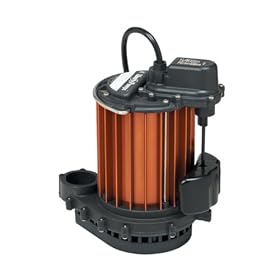 Liberty Pumps 237 1/3 HP Submersible Sump PumpLiberty Pumps
$189.55 as of
View on Amazon HQRP Pedestal Sump Pump Float Switch Compatible with Superior Pump 99100, Everbilt, Wayne, Craftsman, Home…HQRP
$14.95 as of
View on Amazon
Product prices and availability are accurate as of the date/time indicated and are subject to change. Any price and availability information displayed on Amazon.com at the time of purchase will apply to the purchase of this product.
What to do before you file a claim
- Stop operating the pump. Repeatedly running it to see whether it works can worsen damage. Do not run it dry again as a test.
- Make the area safe. If you can reach the plug or breaker without standing in water or touching wet electrical equipment, disconnect power. Otherwise, stay clear and contact a qualified electrician or other professional.
- Record what happened. Note when the pump ran dry, how long it may have run, what the water level was, and what happened just before it started. Take photos of the installation and any visible damage without opening the pump.
- Find the model and proof of purchase. Photograph the product label and gather the receipt, installation date, and any maintenance records.
- Read the warranty and manual. Look for exclusions concerning dry running, overheating, installation, maintenance, and unauthorized repairs. Follow the claim process and ask before sending the unit or paying for diagnosis.
- Request a written explanation. If coverage is denied, ask which warranty clause applies and whether the manufacturer offers an inspection or appeal process.
What damage or warning signs should you report?
A pump that ran without water may overheat or suffer damage, but symptoms vary by design. Report any unusual burning smell, excessive heat, humming without pumping, tripped breaker, leaks, or failure to start. These signs do not prove the pump is ruined or establish the warranty outcome.
Do not remove the motor housing or attempt an electrical repair while a claim is pending. Opening a sealed pump or making an unauthorized repair may affect coverage, depending on the warranty. Ask the manufacturer what inspection or troubleshooting is allowed.
When repair or replacement makes sense
Wait for the manufacturer’s instructions before paying for repairs if the pump may still be covered. If coverage is denied, compare the cost of an authorized repair with replacing the pump. Replacement is often the practical option when the motor or sealed assembly is damaged, parts are unavailable, or a repair is close to the cost of a suitable new unit.
If the pump ran dry because the float switch or installation did not shut it off, address that underlying cause before putting a replacement into service. Follow the pump manual and use a qualified professional for electrical or installation work you cannot safely verify.
FAQ
Will a short dry run automatically void my sump pump warranty?
Not necessarily. Warranty terms differ, and the manufacturer may consider the cause, duration, damage, and operating instructions. Check the specific warranty and ask the manufacturer for a written decision.
Should I turn the pump back on to see if it still works?
No. Stop using it until you have checked the manual and spoken with the manufacturer or a qualified professional. Running it again without water could worsen damage.
Can I open the pump before making a warranty claim?
Avoid opening it or attempting a repair until you know what the warranty allows. Ask the manufacturer whether inspection or disassembly could affect coverage.
What information should I provide with a warranty claim?
Provide the model and serial information if available, proof of purchase, installation date, a description of how long it ran dry, what led to the event, and photos of the setup or visible damage.