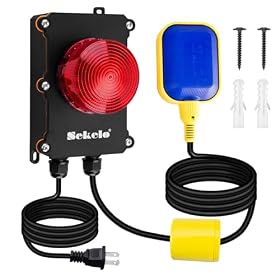
GFCI protection can reduce shock risk around a sump pump, but code requirements depend on your location and installation. Never bypass a GFCI that keeps tripping; find the cause or call a qualified electrician.
What GFCI protection does
A ground-fault circuit interrupter (GFCI) shuts off power when it detects current leaking from the normal circuit path. That helps reduce the risk of electric shock in damp areas. It is different from a standard circuit breaker, which primarily protects wiring from overloads and short circuits.
A sump pump may receive GFCI protection from a GFCI receptacle or a GFCI circuit breaker. Either way, the protection should be installed and maintained according to the pump manufacturer’s instructions and the electrical code adopted in your area.
Backup pumping during a power or pump interruption
Product prices and availability are accurate as of the date/time indicated and are subject to change. Any price and availability information displayed on Amazon.com at the time of purchase will apply to the purchase of this product.
Is a sump pump circuit required to have GFCI protection?
There is no safe nationwide assumption that every existing sump pump installation has the same requirement. Rules can depend on the locally adopted electrical code, the location and type of receptacle, and when the wiring was installed. Ask your local building department or a licensed electrician whether your setup complies with current local requirements.
Do not remove a GFCI, replace it with a standard receptacle, or bypass it because it trips. If your pump’s instructions call for a dedicated circuit, follow them; whether one is required by code depends on the installation and local rules. An electrician can check the circuit, receptacle, grounding, and protection device together.
Warning if water rises while the pump is unavailable
Product prices and availability are accurate as of the date/time indicated and are subject to change. Any price and availability information displayed on Amazon.com at the time of purchase will apply to the purchase of this product.
If the GFCI keeps tripping
A GFCI that trips repeatedly may be responding to a fault in the pump, cord, receptacle, or wiring. It can also trip because of moisture or another problem on the circuit. Do not keep resetting it and leaving the pump unattended.
Check for water or visible damage. If the receptacle, cord, plug, or nearby area is wet or damaged, do not touch it. Stay out of standing water and call a qualified professional.
Check the GFCI reset and test buttons. Follow the device and pump instructions. If the GFCI will not reset, or trips again, leave it off and arrange an inspection.
Look for signs of a pump or cord problem. Fraying, a damaged plug, unusual odor, or visible wear calls for service—not a repair with tape or an improvised connection.
Consider when it trips. A trip when the pump starts, during wet weather, or after another device is used can help an electrician narrow down the cause. Do not disconnect protection to see if the pump will run.
Have the circuit and pump checked. If the problem persists, a licensed electrician can inspect the electrical supply; a pump service professional can assess the pump. Keep another safe way to monitor rising water while the pump is unavailable.
Avoid extension cords, power strips, and adapters unless the pump manufacturer and a qualified electrician specifically approve the arrangement. Keep the plug and receptacle dry and accessible. A battery backup system or high-water alarm can add warning or backup capacity, but neither replaces required GFCI protection or repairs a faulty circuit.
FAQ
Can I plug a sump pump into a GFCI outlet?
Use the outlet type and circuit arrangement required by local code and the pump manufacturer. If you are unsure whether an existing outlet is suitable, have a licensed electrician check it rather than changing the wiring yourself.
Should I bypass a GFCI if it keeps tripping?
No. Repeated trips can indicate a shock or equipment hazard. Leave the circuit off if it trips again and have the pump and electrical circuit inspected.
Does a sump pump need a dedicated circuit?
The answer depends on the pump manufacturer’s instructions and local electrical requirements. An electrician can confirm whether the existing circuit is suitable and whether it should be dedicated.