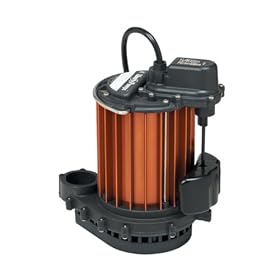
A sump pump can keep running after rain ends because groundwater takes time to reach the basin. If it runs continuously, the water level will not drop, or it cycles with little water in the pit, check the discharge line, check valve, float, and pump.
A sump pump may run for hours after rain stops because groundwater continues flowing toward the basin after the storm. That can be normal if the water level is falling and the pump shuts off between cycles. If it runs without lowering the water, cycles when the basin is nearly empty, or makes unusual noises, check for a discharge problem, a stuck float, or a failing pump.
Why the pump may keep running after rain
Rain ending does not mean groundwater has stopped moving. Water can continue entering the basin from saturated soil, a high water table, or drainage around the foundation. A pump that runs periodically while the basin level rises and falls is usually responding to that continuing inflow.
The important distinction is whether the pump is moving water and switching off normally. Continuous operation with no drop in basin water, or rapid on-and-off cycling, calls for a closer look.
Checks to make, in order
Before inspecting anything, keep clear of standing water and wet electrical connections. Do not reach into the basin while the pump is powered. If it is safe and dry to do so, unplug the pump before handling it; follow the manufacturer’s instructions. If water is near electrical equipment, do not enter the area—contact a qualified electrician or plumber.
1. Check the pump intake for debris
When the pump is safely disconnected and accessible, look for mud, gravel, leaves, or other debris around the intake screen. Debris can restrict water flow and make the pump work harder. Clean it only as the manufacturer directs. If the intake or pump housing is damaged, arrange a repair or replacement rather than operating it with a compromised part.
2. Inspect the discharge line
Look for a kinked, crushed, or disconnected section of discharge pipe, and check the outdoor outlet for visible blockage. In freezing weather, a frozen discharge line can prevent water from leaving. Do not keep running a pump against a suspected blockage; it may overheat or fail. Clear only accessible obstructions using the manufacturer’s guidance, or call a professional if the pipe is frozen, buried, or difficult to reach.
3. Look for water flowing back into the basin
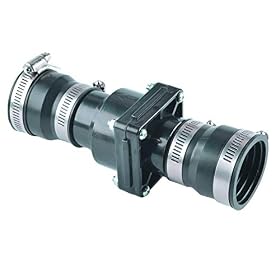
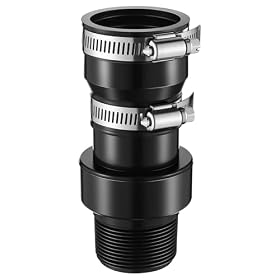
After the pump stops, some water in the discharge pipe may drain back into the basin. A missing, incorrectly installed, or failed check valve can cause excessive backflow, making the pump restart soon after each cycle. Listen for water returning to the basin and watch whether the level rises quickly after shutoff. Replace a faulty valve with a compatible one installed in the correct direction; if you are unsure about the pipe layout, get help from a plumber.
4. Check the float and pump setup
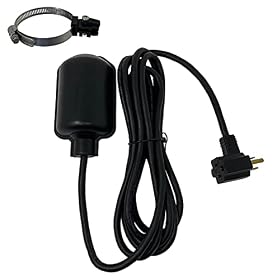
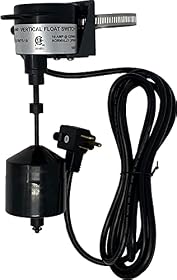
The float switch may be caught against the basin wall, a pipe, or the pump cord. A float that cannot move freely may keep the pump on or cause frequent cycling. With power disconnected, check for an obvious obstruction and make sure the pump and float are positioned as the manufacturer specifies. Do not tie down or bypass a float switch.
5. Check the water level and pump condition
If the basin is still receiving water faster than the pump can remove it, the pump may run continuously even when it is working. If the basin level is low but the pump keeps running, the float switch may be stuck or defective. If the pump runs but moves little or no water after you have ruled out visible discharge problems, the impeller or motor may be worn or damaged.
Do not repeatedly restart a pump that is hot, humming without moving water, or making a grinding noise. Disconnect it if safe and arrange service or replacement. If the basement is at risk of flooding, use a safe temporary water-removal option and contact a qualified professional promptly.
When to call for service or replace the pump
Call a plumber or sump-pump professional if water is rising, the discharge line may be frozen or blocked in a hidden section, the pump trips a breaker, or you cannot safely inspect the system. Electrical faults, persistent overheating, and repeated failure to remove water need prompt attention.
A replacement part may be appropriate when the problem is clearly limited to a compatible check valve or float switch. Consider replacing the pump if its motor or impeller has failed, it cannot keep up with normal inflow, or it has repeated breakdowns. Match any replacement to the basin, discharge piping, and manufacturer’s requirements; do not choose by horsepower alone.