A pedestal sump pump has its motor above the sump pit, while a submersible sump pump places the motor and pump assembly inside the pit. Pedestal models are usually easier to inspect and can fit narrower pits; submersible models are generally quieter and keep the motor away from the living area. Neither design is automatically right for every basement—the better choice depends on the pit, expected water flow, available space, and how much noise and maintenance access matter.
Choosing · Mon Sep 07
Pedestal versus submersible sump pump
Pedestal pumps are accessible and space-efficient, while submersible pumps are quieter and better protected inside the sump pit. The right choice depends on pit size, water volume, noise, maintenance access, and backup needs.
Pedestal and submersible sump pumps compared
| Feature | Pedestal sump pump | Submersible sump pump |
|---|---|---|
| Motor location | Above the pit | Inside the pit |
| Typical advantage | Easy access and narrow-pit compatibility | Quieter operation and a covered installation |
| Space requirement | Needs clearance above the basin | Uses space inside the basin |
| Noise | More noticeable because the motor is exposed | Usually quieter because the pit helps contain sound |
| Maintenance access | Simple to reach the motor and switch | The pump must be lifted from the pit for some service |
| Flood tolerance | The motor must remain above rising water | Designed to operate while surrounded by water, according to the manufacturer’s instructions |
| Best fit | Narrow pits, easy service access, lower-cost installations | Finished basements, larger pits, and installations where noise matters |
These are general design differences. Always verify the pump’s installation instructions, required pit dimensions, electrical requirements, and performance curve before buying.
Pedestal pump options
 Superior Pump 92551 1/2 HP Cast Iron Pedestal Pump , BlackSuperior Pump
$148.99 as of
View on Amazon FLOWPAC Pedestal Sump Pump Thermoplastic Pedestal Pump 1/3 HP 45GPM-BlackFLOWPAC
$109.99 as of
View on Amazon K2 Pumps SPP03301K 1/3 HP Thermoplastic Pedestal Sump PumpK2
$99.00 as of
View on Amazon
Product prices and availability are accurate as of the date/time indicated and are subject to change. Any price and availability information displayed on Amazon.com at the time of purchase will apply to the purchase of this product.
How a pedestal sump pump works
A pedestal pump has a vertical motor mounted on a column above the sump basin. A shaft extends down to the pump impeller, and a float switch starts the motor as the water rises.
Advantages of a pedestal pump
- It can fit a narrow basin. Because the motor stays above the water, the pump assembly often occupies less room inside the pit.
- The motor is easy to inspect. You can usually see the motor, switch, and power cord without removing the pump from the basin.
- Service can be straightforward. Clearing a switch problem or checking the motor may be easier than with a submerged unit.
- The design can be useful where the pit is shallow or narrow. The installation still needs enough depth for the float to move freely.
Limitations of a pedestal pump
- The motor is more audible. A basement near a living area may make the cycling noise noticeable.
- The motor needs overhead clearance. Shelving, flooring, or a tight utility closet can interfere with installation and maintenance.
- The switch needs room to operate. A restricted pit or nearby discharge pipe can prevent the float from rising and falling correctly.
- The motor is not meant to be submerged. If water reaches the motor because of a failed switch, blocked discharge, or overwhelmed basin, turn off power safely and follow the manufacturer’s instructions before inspecting it.
Submersible pump options
 AQUASTRONG 1 HP Sump Pump 4500 GPH Submersible Water Pump for Water RemovalAQUASTRONG
$65.99 as of
View on Amazon WAYNE CDU790-1/3 HP Submersible Cast Iron and Stainless Steel Sump Pump with Integrated Vertical Float…Wayne
$137.08 as of
View on Amazon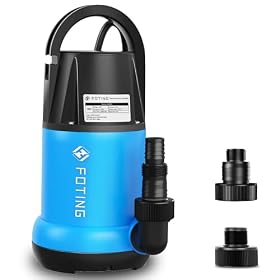 FOTING 1HP Sump Pump 4600GPH Clean/Dirty Submersible Water PumpFOTING
$59.39 as of
View on Amazon
Product prices and availability are accurate as of the date/time indicated and are subject to change. Any price and availability information displayed on Amazon.com at the time of purchase will apply to the purchase of this product.
How a submersible sump pump works
A submersible pump sits at the bottom of the sump basin. Its sealed motor drives the impeller, and a float or electronic sensor turns the pump on as the water level rises. The discharge pipe carries water out of the basin.
Advantages of a submersible pump
- It is usually quieter. The basin and cover help reduce the sound of the motor and water movement.
- It saves overhead space. The motor does not extend above the pit, which can help in a finished basement.
- It is suited to installations where the pump may be surrounded by water. The unit must still be installed and operated exactly as specified by its manufacturer.
- A proper cover can reduce moisture and odors. A cover should allow the required venting and pipe connections; do not seal or modify it in a way that violates the installation instructions.
Limitations of a submersible pump
- It may require a larger basin. The pump, float, intake, and discharge connection all need enough room to work without rubbing or snagging.
- Access is less convenient. You may need to unplug the pump and lift it out to inspect the intake or remove debris.
- A failed pump can be harder to diagnose quickly. The motor is hidden below the cover, so checking the switch, cord, and intake takes more steps.
- A small pit can cause short cycling. If the basin fills and empties rapidly, the pump may start too often, which can shorten component life.
Prevent backflow and short cycling
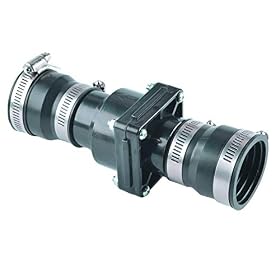 Hydro Master Plastic Sump Pump Check Valve with Stainless Steel Clamps for 1-1/2 inch or…HYDRO MASTER
$15.99 as of
View on Amazon Tellingyou Sump Pump Check Valve Fits 1-1/2 inch or 1-1/4 inch PipeTellingyou
$15.99 as of
View on Amazon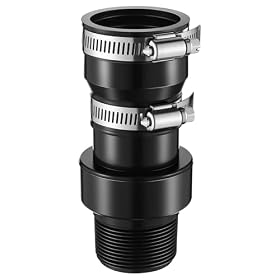 Tellingyou Sump Pump Check Valve Fits 1-1/2" or 1-1/4" Pipe ThreadTellingyou
$9.99 as of
View on Amazon
Product prices and availability are accurate as of the date/time indicated and are subject to change. Any price and availability information displayed on Amazon.com at the time of purchase will apply to the purchase of this product.
Which type is better for your basement?
Choose a pedestal pump when space inside the pit is limited
A pedestal model may be the better fit for a narrow basin because the motor remains above the water. Measure the basin’s inside diameter and depth, then compare those measurements with the pump’s installation requirements. Do not assume that a pump will fit simply because its horsepower appears appropriate.
Make sure the float has a clear path. Pipes, the basin wall, the pump column, or debris can stop the switch from activating correctly.
Choose a submersible pump when noise and appearance matter
A submersible model is often a better choice for a finished basement, bedroom-adjacent utility area, or any location where motor noise is a concern. It also leaves less equipment exposed above the pit.
Use a compatible cover and make sure the discharge pipe, venting, and electrical connection follow the pump instructions and local requirements.
Consider expected water volume, not just horsepower
Horsepower alone does not tell you how much water a sump pump will move in your installation. Compare the pump’s performance at the total dynamic head—the vertical lift plus resistance from pipe length, elbows, check valves, and the discharge outlet.
A pump that moves a large amount of water at low lift may deliver much less at the height your discharge line requires. Before choosing, check:
- The vertical distance from the pump to the discharge outlet.
- The discharge-pipe size required by the manufacturer.
- The number of elbows and the approximate pipe length.
- Whether a check valve is required or recommended.
- The pump’s flow rate at the calculated lift.
If the pump must handle unusually heavy inflow, consult a qualified plumber or waterproofing professional rather than choosing solely by advertised horsepower.
Power-outage protection
 VEVOR 2500W Sump Pump Battery Backup System, LCD Display, Auto Switches to Battery Inverter Power…VEVOR
$179.20 as of
View on Amazon Cantonape 2000W Sump Pump Backup Battery System, Pure Sine Wave OutputCantonape
$181.99 as of
View on Amazon 2500 Watt Sump Pump Backup Battery System, Automatic Switching to Battery Inverter Power, Professional Backup…VIOPUMPO
$319.99 as of
View on Amazon
Product prices and availability are accurate as of the date/time indicated and are subject to change. Any price and availability information displayed on Amazon.com at the time of purchase will apply to the purchase of this product.
Installation details that matter for either design
- Use a stable, level base. The pump should not rock, tilt, or rest on loose debris.
- Keep the intake clear. Gravel, sediment, and construction debris can damage the impeller or reduce flow.
- Install the discharge line correctly. It should direct water far enough away from the foundation and comply with local rules.
- Use a check valve when specified. It helps prevent discharged water from flowing back into the pit and causing unnecessary cycling.
- Protect the electrical connection. Use a properly grounded, code-compliant outlet and ground-fault protection where required. Do not use an extension cord as a permanent installation.
- Test the float movement. The switch should rise and fall freely without catching on the pump, basin, pipes, or cover.
- Secure the discharge pipe. Pump vibration can loosen an unsupported pipe or fitting.
- Do not modify sealed motor housings or safety components. Follow the manufacturer’s instructions and use a qualified professional for wiring or code-related work.
Backup planning
A primary pump can fail because of a power outage, a stuck switch, a blocked discharge line, a worn impeller, or water entering faster than the pump can remove it. A battery backup pump or other backup system can reduce risk, but it should be sized for the basin, expected inflow, and discharge setup.
A backup is especially worth considering when the basement contains a furnace, finished flooring, storage, or other equipment that would be costly to replace. Test the backup system periodically and check the battery condition according to its instructions.
Bottom line
Choose a pedestal sump pump when a narrow pit, easy access, and straightforward inspection are the priorities. Choose a submersible sump pump when quieter operation, less exposed equipment, and a finished-basement installation matter more.
Before buying either type, confirm basin dimensions, float clearance, discharge requirements, total lift, flow at that lift, and electrical requirements. If your current pump is undersized, repeatedly short-cycles, or cannot keep up during heavy rain, replacing it with the same style may not solve the underlying problem.
FAQ
Is a pedestal or submersible sump pump better?
Neither is universally better. A pedestal pump is often preferable for a narrow pit and easy service access, while a submersible pump is often preferable when quieter operation and a cleaner installation matter.
Are submersible sump pumps quieter than pedestal pumps?
Usually, yes. A submersible pump’s motor is inside the basin, and a suitable cover can further reduce operating noise. The actual sound level depends on the pump, pipe vibration, check valve, and installation.
Can a pedestal sump pump be used in a finished basement?
It can, provided there is enough overhead clearance and the operating noise is acceptable. A submersible pump is often easier to conceal and may be more comfortable near living areas.
Does a higher horsepower sump pump always move more water?
No. Flow depends on the pump design and the total lift and resistance in the discharge system. Compare the manufacturer’s flow ratings at your actual discharge height rather than relying on horsepower alone.
Should I replace a pedestal pump with a submersible pump?
Consider switching if the pedestal motor is too noisy, lacks clearance, or the basin can accommodate a submersible unit. Confirm that the basin is large enough and that the new pump’s discharge and electrical requirements are compatible.