Rust flakes can restrict a sump pump intake and cause slow pumping, cycling, or overheating. Here is how to clear the blockage, find the source, and prevent it from returning.
Rust flakes in a sump pit can clog the pump’s intake screen, impeller area, or discharge line. The immediate fix is to disconnect power, remove the pump, clear the debris, and flush the pit—but recurring rust usually means the pump, metal components, basin, or nearby plumbing are deteriorating and need further attention.
Turn off power before inspecting the pump
Unplug the sump pump before reaching into the pit or removing the pump. If it is hardwired, switch off the circuit and have electrical work handled by a qualified professional. Do not lift a pump by its power cord.
Wear gloves and eye protection when handling rusty water or sharp flakes. Keep the plug and electrical connections dry.
How to clear rust flakes from the intake
- Unplug the pump and close off the work area. Keep children and pets away from the pit.
- Remove the pump carefully. Lift it by the handle or discharge pipe if the manufacturer permits, not by the cord.
- Inspect the intake opening or screen. Remove loose flakes, sediment, hair, gravel, and other debris by hand.
- Rinse the pump exterior. Use clean water and a soft brush. Avoid forcing debris deeper into the intake.
- Check the impeller area if the manual allows access. Rust fragments can prevent the impeller from turning freely.
- Flush the basin. Scoop or vacuum out settled rust and sediment where practical. Do not put contaminated solids down a household drain unless local guidance permits it.
- Reinstall the pump upright and level. Confirm that the intake is not pressed against the basin floor or wall.
- Restore power and perform a supervised test. Add water slowly and confirm that the pump starts, moves water through the discharge line, and shuts off normally.
If the pump hums but does not move water, unplug it again. A jammed impeller, damaged motor, blocked discharge line, or failed check valve may be involved.
Check these likely causes in order
1. Intake screen or filter blockage
Most sump pumps do not use a replaceable fine-particle filter. They typically draw water through openings at the pump base or through an intake screen. If your installation includes a removable screen, strainer, or other filter, clean or replace it according to the manufacturer’s instructions.
Do not add a fine filter that the pump was not designed to use. A restrictive filter can reduce flow and may cause the pump to run longer or overheat.
2. Hose, discharge pipe, or check valve blockage
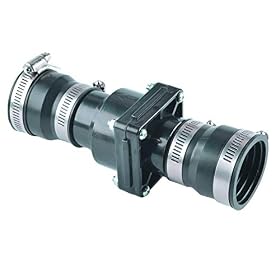
Rust flakes may pass through the intake and collect in the discharge system. Inspect the visible discharge pipe for narrowing, a crushed flexible hose, or a clogged outlet. Check that the check valve opens in the pumping direction and is not packed with rust.
A failed or obstructed check valve can allow water to run back into the pit after the pump stops. That can make the pump cycle repeatedly and stir up more sediment.
3. Leaks and damaged seals
Inspect threaded joints, couplings, and the check-valve connections for leaks. A leaking discharge connection can leave the pit level high even though the pump is running. Water escaping near the pump can also disturb settled rust.
Do not disassemble a sealed motor housing or attempt to repair internal electrical seals. Replace the pump if its housing is cracked, water has entered the motor section, or the manufacturer does not provide a safe repair procedure.
4. Incorrect pump position or setup
The pump should generally stand upright on a stable surface with its intake openings clear. Make sure the intake is not sitting directly in a layer of rust, gravel, or sludge. A loose pump can tilt, vibrate, or pull debris against the intake.
Check that the float switch can move through its full range without touching the basin wall, discharge pipe, or power cord. A restricted float can cause overflow even after the intake has been cleaned.
5. A full or deteriorating basin
Some rust flakes come from the basin itself, especially if it is metal and has visible corrosion, pitting, or holes. Other sources can include old steel discharge fittings, rusty fasteners, a corroding drain line, or groundwater entering through damaged materials.
If the basin has structural rust, cracks, or openings that allow soil into the pit, cleaning the pump will be temporary. A replacement basin or liner may be the more reliable repair. Basin replacement can involve excavation and plumbing changes, so get professional help when the installation is difficult to access or the pump is part of a finished basement system.
6. Pump wear or electrical trouble
After clearing the intake and discharge path, listen for abnormal grinding, repeated humming, rapid cycling, or a motor that becomes unusually hot. These signs can indicate impeller damage, worn bearings, or motor trouble rather than a simple blockage.
Never bypass the pump’s grounding, overload protection, or float-switch safety features. If a breaker trips, the cord or plug is damaged, the pump gives off a burning smell, or water has reached an electrical connection, stop using it and consult a qualified professional.
How to tell whether rust is coming from the pump or the pit
Place the cleaned pump in a bucket or container of clean water only if the manufacturer’s instructions allow that type of test. A short, supervised test can help distinguish a pump problem from a basin or plumbing problem, but keep electrical connections dry and do not run the pump without adequate water around its intake.
If the pump operates normally in clean water but clogs again in the pit, investigate the basin, incoming drain tile, surrounding soil, and metal discharge components. If flakes or dark particles continue to come from the pump itself, or the intake housing is badly corroded, replacement is usually more sensible than repeated cleaning.
When should you replace the sump pump?
Replace the pump when the motor is noisy after cleaning, the intake housing or impeller is damaged, it repeatedly jams with internal corrosion, it trips electrical protection, or it cannot maintain adequate discharge flow. A pump that is near the end of its service life may not be worth repairing if rust has already affected the motor or sealed housing.
Replace or repair the basin and related plumbing when rust keeps returning from the structure, the basin is pitted or leaking, or the discharge pipe and check valve are visibly deteriorated. Match any replacement pump to the basin size, discharge-pipe diameter, required lift, and manufacturer’s electrical requirements rather than choosing by horsepower alone.