A sump pump float switch stuck on the pit wall can leave the pump running continuously or prevent it from starting. Use these safe checks to find the obstruction and correct the setup.
Float switch stuck on the pit wall
A sump pump float switch stuck on the pit wall usually means the float, switch cord, or pump is positioned too close to the basin liner. The float cannot rise or fall freely, so the pump may run continuously, fail to start, or cycle unpredictably. Disconnect power before reaching into the pit, then check the float’s movement, the cord, debris, and the pump’s position.
Start with a safe power-off check
Before touching the pump, unplug it or switch off the circuit at the electrical panel. Do not reach into standing water while the pump is energized. If the receptacle, plug, or cord is wet or damaged, stop and have a qualified electrician inspect the installation.
With power disconnected:
Remove the basin cover if it can be removed safely.
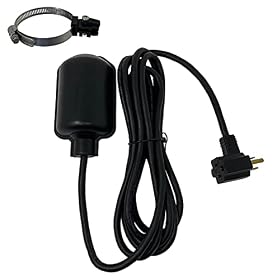
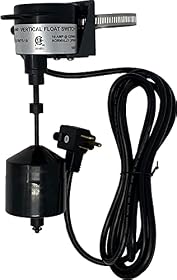
Identify whether the pump uses a vertical float, tethered float, or a separate float switch.
Move the float gently through its full travel by hand.
Confirm that it does not scrape the basin wall, discharge pipe, pump cord, or other wiring.
Make sure the float can return to its lower position without catching.
Do not force the float or bend its arm. A cracked float, damaged switch housing, or frayed cord calls for replacement rather than repair.
Clear the common physical causes
The pump or switch is touching the basin wall
A pump can shift when the discharge pipe vibrates, the basin fills, or the unit is lifted during maintenance. If the float is pressed against the liner, it may remain in the on or off position.
With the power off, reposition the pump so it sits level and the float has clearance on every side. Keep the pump away from the basin wall and make sure the discharge pipe is not pushing the unit sideways. Do not place loose objects in the pit to hold the pump in position; they can interfere with the float or clog the inlet.
The switch cord is trapped or incorrectly routed
Tethered floats need room to swing. A cord that is wrapped around the discharge pipe, wedged under the pump, or pressed against the basin can prevent normal operation.
Untangle the cord and route it according to the pump manufacturer’s instructions. Avoid shortening, tying, or adding weight to the cord unless the manufacturer specifically permits it. The switch needs enough room to turn the pump on and off, but excessive slack can also let it catch on the wall or nearby components.
Debris is blocking the float
Silt, gravel, insulation, plastic, and other debris can lodge between the float and basin wall. Remove debris by hand only after disconnecting power. If the basin contains heavy sediment, clean it without damaging the pump’s intake screen or float mechanism.
A float that still binds after cleaning may have a damaged hinge, swollen housing, or internal failure.
Product prices and availability are accurate as of the date/time indicated and are subject to change. Any price and availability information displayed on Amazon.com at the time of purchase will apply to the purchase of this product.
Check the basin and pump setup
A crowded or undersized basin can make a properly working float appear defective. Check for:
A pump that is too large for the available float clearance
A discharge pipe or check valve installed where it blocks float travel
A basin cover that presses on the float cord
A pump sitting on an uneven surface
A basin liner that is warped, damaged, or narrowing near the float
A separate backup pump or alarm float occupying the same travel area
The float should be able to move freely at the water levels where the pump starts and stops. If the switch repeatedly catches in the same place, the basin layout—not just the switch—may need correction.
Product prices and availability are accurate as of the date/time indicated and are subject to change. Any price and availability information displayed on Amazon.com at the time of purchase will apply to the purchase of this product.
Check whether the switch is actually failing
After clearing obstructions and correcting the position, restore power only if the electrical components are dry and undamaged. Add water to the basin gradually, if necessary, to observe the pump’s normal start and stop points. Keep hands and tools away from the water while the pump is energized.
Works only when moved sharply or held at an unusual angle
Makes inconsistent clicking or has visible water intrusion
Has a damaged cord, cracked housing, or burned connector
Do not bypass the float switch as a permanent solution. A bypass can cause the pump to run continuously, overheat, or drain the basin below the intended operating level. Electrical diagnosis beyond a basic visual check should be handled by a qualified professional or according to the manufacturer’s service procedure.
Product prices and availability are accurate as of the date/time indicated and are subject to change. Any price and availability information displayed on Amazon.com at the time of purchase will apply to the purchase of this product.
When to replace the float switch
Replace the switch when it is physically damaged, repeatedly sticks after the obstruction is removed, or fails to control the pump reliably. Choose a replacement that is compatible with the pump’s control arrangement, cord configuration, switching method, and manufacturer requirements. Some pumps use an integrated switch that is not intended to be replaced separately.
If the switch is sold as a separate component, installation may still require a watertight connection and correct grounding. Follow the instructions for that exact replacement part; do not splice a pump cord or alter sealed electrical components unless the instructions specifically allow it.
When the pump or basin needs replacement
A replacement float may not solve the problem when the pump has a damaged housing, a failing motor, a warped basin, or inadequate clearance. Consider replacing or redesigning the setup when:
The basin repeatedly traps the float despite correct routing
The pump shifts or tips during normal operation
The basin is too small for the pump and switch assembly
The pump has been submerged with a damaged cord or connector
The motor hums, trips the breaker, overheats, or fails after the switch is corrected
If the basement could flood before the repair is complete, use a temporary backup plan such as a suitable backup pump or supervised water removal. Do not leave a questionable pump running unattended.
Quick diagnosis
Float will not move by hand with power off: clear debris, reposition the pump, or replace the damaged switch.
Float moves freely but pump does not start: check the plug, outlet, breaker, and switch condition; seek electrical help if the issue is not obvious.
Pump runs continuously after the float drops: unplug it, check for a trapped float or cord, and replace the switch if it still fails.
Float works until the basin fills: inspect the discharge pipe, cover, basin shape, and pump movement as the water rises.
The problem returns after every storm: correct the pump’s positioning or basin clearance instead of repeatedly freeing the switch.
FAQ
Can I move a sump pump float switch away from the basin wall?
Yes, with the pump disconnected from power, you can usually reposition the pump or reroute the switch cord so the float has unobstructed travel. Follow the pump manufacturer’s instructions and do not tie, shorten, or modify the cord unless permitted.
Why does my sump pump float switch keep getting stuck?
Common causes include insufficient basin clearance, a pump that shifts during operation, a trapped cord, debris, a restrictive basin cover, or a worn switch. If the same obstruction returns, the pump or basin layout may need correction.
Can I run a sump pump without the float switch?
Only for a temporary diagnostic step if the manufacturer’s instructions specifically describe it and the pump is supervised. Do not bypass the switch as a permanent repair because the pump may run continuously or overheat.
How do I know whether to replace the float switch or the sump pump?
Replace the float switch when it is the only failed or damaged part and the pump runs normally with a functioning control. Consider replacing the pump or changing the basin setup when the motor, cord, housing, or basin is damaged or the float cannot be given reliable clearance.