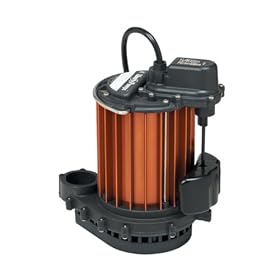
If your sump pump hums but does not pump water, shut off power before inspecting it. The most common causes are debris around the impeller, a blocked discharge line, a leaking or incorrectly installed check valve, a stuck float, or a failing motor.
A sump pump that hums but is not pumping usually has power but cannot move water. Unplug it before touching the pump or water, then check the intake, discharge line, check valve, float, and basin setup in that order. If the impeller is jammed or the motor continues to hum after cleaning, replacement is often safer and more practical than repeatedly restarting it.
Start with safety
Do not put your hand into the sump pit while the pump is connected to power. A wet basement and electrical equipment are a dangerous combination.
Turn off and unplug the pump. If it is hardwired, switch off the appropriate circuit and have electrical work handled by a qualified professional.
Keep extension cords and connections away from standing water. Follow the pump manufacturer's electrical and installation instructions.
If the pit is filling quickly, use a properly rated backup pump or contact a plumber rather than repeatedly cycling a humming pump.
A humming sound means the motor may be receiving power, but it does not prove that the motor or impeller is operating correctly.
Check the pump intake for debris
The pump may hum when the impeller is blocked by dirt, gravel, sediment, a small stone, or other debris. This is especially common after construction work, heavy rain, or a basin that lacks a proper cover.
With the pump unplugged, remove it from the pit if the installation allows. Look at the intake openings on the bottom or sides of the pump. Clear visible debris with a plastic tool or by rinsing the pump according to the manufacturer's instructions. Do not force an object into the housing or disassemble a sealed motor housing.
If the impeller cannot turn freely, the pump may have been damaged by the blockage. A replacement pump is generally the reasonable next step if cleaning does not restore normal operation.
Product prices and availability are accurate as of the date/time indicated and are subject to change. Any price and availability information displayed on Amazon.com at the time of purchase will apply to the purchase of this product.
Inspect the discharge hose or pipe
A blocked, kinked, frozen, or collapsed discharge line can prevent water from leaving even though the motor hums. Check the entire route from the pump outlet to the point where water exits the house.
Look for:
Kinks or sharp bends in flexible hose
Ice at the outdoor discharge point
Dirt, mulch, leaves, or insects blocking the outlet
A crushed section of pipe
A discharge line that slopes back toward the pit and allows water to return
A missing or inadequate outdoor termination that lets debris enter
Disconnect the discharge line only when the pump is unplugged and the water level is manageable. Do not run the pump against a confirmed blockage. If the line is frozen, do not use an open flame to thaw it; use a safe method permitted by the installation instructions or call a professional.
Product prices and availability are accurate as of the date/time indicated and are subject to change. Any price and availability information displayed on Amazon.com at the time of purchase will apply to the purchase of this product.
Check the check valve and fittings
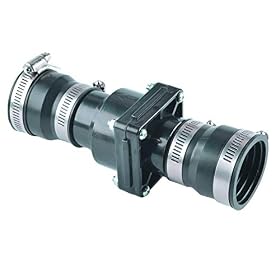
The check valve is intended to keep discharged water from flowing back into the sump pit. A failed, installed-backward, or clogged valve can restrict flow or allow the pump to cycle continuously.
Confirm that the arrow on the valve points away from the pump and toward the discharge outlet. Check for a stuck flap, sediment, loose clamps, cracked fittings, or water leaking from a joint. A valve that rattles, remains stuck, or leaks heavily may need replacement.
Some water returning to the pit after the pump shuts off can be normal, but a large amount may indicate a missing or faulty check valve, an overly long vertical discharge run, or a discharge line that drains back into the basin.
Product prices and availability are accurate as of the date/time indicated and are subject to change. Any price and availability information displayed on Amazon.com at the time of purchase will apply to the purchase of this product.
Make sure the float can move
A sump pump can hum without pumping if its float is trapped against the basin wall, discharge pipe, pump cord, or debris. The float must rise far enough to activate the pump and move freely without catching.
With power disconnected, clear objects around the float. Make sure the pump is upright and not tilted against the side of the basin. For a tethered float, allow enough room for the float to swing as specified by the manufacturer. For a vertical float, check that it can travel up and down without rubbing.
If the pump runs when the float is lifted but stops when released, the float switch or its adjustment may be the problem. Replace a defective float switch only with a compatible part and follow the manufacturer's instructions. Do not bypass the switch as a permanent repair.
Product prices and availability are accurate as of the date/time indicated and are subject to change. Any price and availability information displayed on Amazon.com at the time of purchase will apply to the purchase of this product.
Check the basin water level and pump position
A humming pump may not be receiving enough water if the basin is nearly empty or the pump's intake is not submerged. Conversely, a pump that is sitting on sediment or tilted may have a blocked intake.
Check that:
The pump is sitting upright on a stable surface
The basin has enough water to activate the float and cover the intake as required
The pump is not buried in silt or gravel
The basin liner is not pinching the float
The discharge pipe is connected securely to the pump outlet
If the pump runs but the water level does not fall, stop it after a short observation period. Continuous humming with no water movement can overheat the motor.
Consider a jammed impeller or failing motor
If the intake and discharge path are clear, the float operates correctly, and the pump is properly positioned, the impeller or motor may be failing. Common signs include a steady hum with no water movement, overheating, a burning smell, repeated breaker trips, unusual grinding, or operation that stops after a short time.
Do not keep resetting a tripped breaker or repeatedly plugging in a pump that overheats. A breaker trip can indicate a fault, damaged cord, water intrusion, or another electrical problem. Have a qualified professional inspect hardwired equipment or questionable wiring.
For a basic plug-in pump, replacing the entire unit is often more reliable than repairing a sealed motor assembly. Select a replacement based on the basin size, discharge-pipe connection, required pumping height, float arrangement, and manufacturer instructions—not just the pump's advertised horsepower.
After the pump starts working
Test the system with clean water while watching the discharge point. Confirm that the pump starts and stops normally, water leaves the property, the check valve does not leak excessively, and no fitting drips.
If the pump has stopped because the pit was full, inspect the cause rather than assuming the problem is over. A clogged discharge route, failed check valve, stuck float, or aging pump can fail again during the next storm.
Consider a separate backup pump or battery backup when basement flooding would cause significant damage. A backup system still needs its own maintenance, power source, discharge arrangement, and periodic test according to the manufacturer's instructions.
When to replace the sump pump
Replacement is usually sensible when:
The motor hums after the intake and discharge are clear
The impeller will not turn or remains jammed
The pump overheats, smells burned, or trips protection repeatedly
The housing, cord, or outlet is damaged
The pump is old, unreliable, or undersized for the installation
Repair parts cost nearly as much as a compatible replacement pump
Before buying, measure or identify the existing discharge connection and check the vertical lift to the outlet. A pump that fits the basin but cannot handle the actual discharge height will not provide dependable protection. When in doubt, have a plumber verify the pump capacity and discharge layout.
FAQ
Can a sump pump hum and still be working?
Yes. The motor may be receiving power while the impeller is jammed, the intake is blocked, or the discharge line is clogged. If the water level does not fall, unplug the pump and inspect the system rather than allowing it to run continuously.
Why does my sump pump hum but not move water?
The most likely causes are debris in the intake or impeller, a blocked or frozen discharge line, a faulty check valve, a stuck float, incorrect pump positioning, or a failing motor.
Should I replace the check valve if the sump pump hums?
Only if inspection shows that the valve is installed backward, stuck, clogged, leaking, or restricting flow. A check valve problem usually causes backflow or poor discharge; a jammed impeller or failed motor can also cause humming with no pumping.
Can I manually lift the float to test a sump pump?
You can test a properly installed pump by following the manufacturer's instructions and keeping hands and electrical connections away from water. Do not reach into the pit around a plugged-in pump, and do not permanently bypass a defective float switch.
When should I call a professional?
Call a qualified professional for hardwired pumps, damaged wiring, repeated breaker trips, burning odors, water near unsafe electrical connections, major discharge-pipe changes, or a pump that continues humming after basic blockage and float checks.