Best sump pump for a rental property you manage remotely
For a rental property you manage remotely, the best sump pump is usually a complete protection system: a dependable primary pump, a separately powered backup, a check valve, and a water or power-failure alert you can receive off-site.
The best sump pump for a rental property you manage remotely is usually not a single pump. A dependable primary pump paired with a separate backup, a properly installed check valve, and remote water or power alerts gives you a better chance of learning about a problem before the basement floods.
What to prioritize for a remote rental property
A sump pump system should be judged by how it handles the property’s actual water volume and how clearly it reports failures—not just by the pump’s advertised horsepower.
1. Pump capacity at the actual discharge height
Pump output decreases as water has to travel higher and farther. Compare performance at the system’s total dynamic head, which includes:
The vertical distance from the pump to the discharge outlet
Horizontal pipe length
Elbows, fittings, and restrictions
The check valve
The discharge pipe diameter
A pump with a higher advertised maximum flow may not move more water at the height required by your rental. Measure the discharge route and use the manufacturer’s performance chart. If the property has a high water table, a long discharge run, or frequent heavy rain, have a plumber verify the required capacity.
2. A backup that can operate independently
A second pump is useful only if it can still operate when the primary pump fails. Look for a backup system with its own float or water-level sensor and a separate power source where practical.
Common choices include:
Battery backup pump: Can operate during a power outage, but requires battery maintenance and periodic replacement.
Secondary AC pump: Adds pumping capacity if the primary pump fails, but does not help during a utility power outage unless it has an independent power source.
Combination system: Packages primary and backup pumps together, though the backup still needs appropriate battery and alarm maintenance.
For a property managed from a distance, a battery backup is often more useful than a second pump that depends on the same failed outlet or circuit. It is not a substitute for fixing a faulty electrical system or installing a properly sized generator.
3. Remote alerts—not just a local alarm
A loud basement alarm may go unheard in an empty rental. Add monitoring that can notify you when the system detects conditions such as:
Loss of internet or cellular connection, if the monitoring system supports that alert
Wi-Fi alerts depend on the property’s internet service and household power. A cellular-connected device may be more suitable for a vacant or intermittently occupied rental, but verify service availability and subscription requirements before buying. A smart plug alone is generally not enough because it may show that a pump is drawing power without confirming that the sump water level is falling.
The best overall setup
For most remotely managed rentals, use this arrangement:
A primary sump pump sized for the discharge height and expected inflow
A separate backup pump with an independent float or sensor
A battery backup or another suitable emergency power source
A correctly oriented check valve on each pump’s discharge path, when required by the system design
A high-water alarm located where it can detect rising water before the floor floods
A water-leak sensor outside the basin as a second warning point
A discharge outlet that sends water well away from the foundation
A maintenance schedule shared with the tenant, property manager, or service contractor
The backup pump should not be installed in a way that allows one pump’s discharge flow to force water backward through the other pump. Follow the pump and check-valve manufacturer’s installation instructions, and have a qualified professional handle electrical work or any installation that requires changes to the home’s wiring.
Product prices and availability are accurate as of the date/time indicated and are subject to change. Any price and availability information displayed on Amazon.com at the time of purchase will apply to the purchase of this product.
Features that matter most
Float switch design
A float switch must move freely as the water rises. Tethered floats can provide a longer pumping cycle but need enough room around them to avoid catching on the basin, discharge pipe, or power cord. Vertical switches are often a better fit in narrow basins.
For remote management, the most important feature is dependable activation without interference. Before leaving the property, raise the float manually and confirm that the pump starts and shuts off normally.
Basin size and pump fit
The pump must fit the basin without restricting the float. A small basin may leave little room for a backup pump or a separate high-water sensor. If the existing basin is crowded, shallow, cracked, or poorly sealed, replacing or enlarging it may be more sensible than adding another pump.
Solid handling and filtration
Sump pumps are not garbage pumps. Keep dirt, gravel, insulation, and other debris out of the basin. A pump marketed for larger solids may tolerate more debris, but it still needs a clean basin and an unobstructed intake.
Do not add a fine filter to the pump intake unless the manufacturer specifically allows it. A restrictive filter can reduce flow or clog when you need the pump most.
Alarm and monitoring compatibility
Check whether the alarm requires Wi-Fi, a hub, a cellular plan, or a dedicated monitoring service. Also check how alerts are delivered and whether multiple people can receive them.
For a managed rental, the alert system should have a clear escalation plan: you receive the first notification, a property manager or tenant receives a secondary notification, and a local contractor is available if the water level continues to rise.
Battery type and maintenance
Backup batteries can lose capacity over time even when they appear to charge normally. Confirm the required battery type, ventilation requirements, expected replacement interval, and whether the system provides a low-battery warning. Maintenance-free batteries reduce routine work but are not maintenance-free forever.
Product prices and availability are accurate as of the date/time indicated and are subject to change. Any price and availability information displayed on Amazon.com at the time of purchase will apply to the purchase of this product.
Installation details that prevent remote failures
A correct pump can still fail to protect the property if the discharge system is poorly installed.
Secure the discharge pipe so vibration cannot loosen fittings.
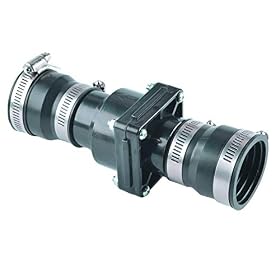
Install the check valve in the direction marked by the manufacturer.
Avoid sharp bends and unnecessary restrictions.
Keep the pump upright and the intake clear of the basin floor, using the specified support if required.
Route the discharge away from the foundation and confirm that it will not freeze, discharge onto a walkway, or flow back toward the house.
Keep pump cords and connections away from standing water.
Use a properly grounded outlet and follow local electrical requirements.
Never use an extension cord as a permanent solution for a sump pump. If the outlet, circuit, or grounding is questionable, have a qualified electrician inspect it.
How to verify the system before leaving
Do not rely on an app setup screen as proof that the system works. Perform a physical test:
Confirm that the primary pump is plugged into the intended outlet.
Pour water into the basin slowly until the primary pump starts.
Verify that water leaves the property and does not return through the discharge line.
Confirm that the pump shuts off without rapid cycling.
Raise the backup float or follow the manufacturer’s test procedure.
Unplug the primary pump only if the manufacturer’s instructions permit this test, then confirm that the backup starts at the correct water level.
Trigger the high-water and leak sensors.
Confirm that alerts reach every assigned recipient.
Test the low-battery and power-failure notifications if the system provides them.
Photograph the pump, valves, outlets, and alarm setup for future service calls.
Do not repeatedly run a pump dry. Follow the manufacturer’s directions for testing the backup and battery system.
When a replacement is the better choice
Replace the primary pump rather than relying on it as part of a remote-management plan if it runs noisily, cycles rapidly, fails to start consistently, shows damaged wiring, or cannot keep up with normal inflow. A pump that is already unreliable is not made dependable by adding a notification device.
Replace the battery when it fails a manufacturer-approved test, reports low capacity, leaks, or reaches the end of its service life. Replace a damaged check valve if it allows noticeable backflow or causes the pump to cycle repeatedly.
If flooding has occurred despite a working pump, investigate the entire system. The cause may be an undersized pump, a blocked or frozen discharge, a failed check valve, insufficient backup capacity, or water entering faster than the pump can remove it. A qualified plumber can evaluate the basin, pump curve, discharge route, and electrical supply together.
FAQ
Should a rental property have both a primary and backup sump pump?
Usually, yes—especially when the property is unattended, has a finished basement, or experiences frequent storms. The backup should have an independent float or sensor and, ideally, a separate power source so one failure does not disable both pumps.
Is a Wi-Fi sump pump alarm enough for a remotely managed rental?
It can help, but it depends on internet and household power. Add a high-water sensor and consider cellular monitoring where internet reliability is uncertain. Also arrange for a local person or contractor to respond when an alert arrives.
How often should a remote rental sump pump be checked?
Inspect the basin, pump, float, discharge, check valve, alarm, and backup battery at least before the wet season and after major storms. Follow the pump and battery manufacturers’ maintenance intervals, and arrange a local inspection if the property is vacant for long periods.
Can a battery backup replace a generator?
A battery backup can operate the backup pump during a power outage for a limited period, depending on battery capacity and water inflow. It does not provide whole-home power or unlimited runtime. A generator may be appropriate for longer outages, but it must be installed and operated according to manufacturer instructions and applicable electrical and fuel-safety requirements.