A silt-filled sump pit can clog a pump, jam its float, and shorten motor life. The best solution is usually to remove the sediment first, then choose a pump with a protected intake, suitable solids-handling guidance, and a float that will not bind against the debris.
A silt-filled sump pit needs more than a powerful pump. Sediment can block the inlet, jam the float switch, wear the impeller, and reduce the basin’s usable capacity. The best sump pump for this situation is one approved by its manufacturer for the expected solids or dirty-water conditions, with a protected intake and enough clearance for its float. Clean the pit before installing a new pump whenever possible; a replacement pump cannot reliably compensate for a basin packed with silt.
What to look for in a sump pump for silt
A protected or screened inlet
Silt, sand, and small debris can enter through the pump intake. Look for an inlet design that keeps larger particles away from the impeller and that can be cleaned without damaging the pump. The exact allowable particle size varies by pump, so check the manufacturer’s specifications rather than assuming every “heavy-duty” pump handles sediment equally well.
A screen can reduce clogging, but it may also become blocked faster in a dirty pit. The screen must remain accessible for inspection and cleaning.
Solids-handling guidance
Pump descriptions may state the maximum solids size the pump can pass. This specification matters more than motor horsepower when silt and grit are present. A pump rated for solids handling may be more tolerant of dirty water, but it is not a substitute for removing a thick layer of sediment from the basin.
Do not use a pump outside its intended water conditions. Some sump pumps are designed for clear groundwater, while others are intended for sewage, effluent, or more contaminated water. Follow the manufacturer’s application limits.
A float that has room to move
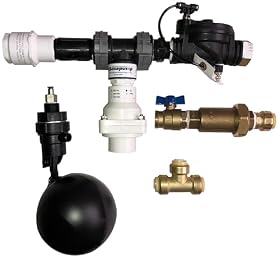
A float switch can stick when it touches the basin wall, discharge pipe, pump cord, or a mound of sediment. Choose a configuration that fits the basin and leaves the float free to rise and fall. Vertical floats can be useful in narrower pits, while tethered floats need more open space to operate correctly.
Never rely on a float that is buried in silt or trapped against the pump. Turn off power before repositioning the pump or switch, and follow the installation instructions.
Corrosion- and abrasion-resistant construction
Grit can wear moving parts, especially when the pump runs frequently. Materials and construction vary widely, so look for manufacturer information about abrasive water, corrosion resistance, and replacement parts. A heavier housing alone does not prove that a pump is suitable for sand or silt.
A discharge setup that will not clog easily
A pump with a suitable inlet can still perform poorly if the discharge line is restricted. Use the pipe size and check valve arrangement specified by the pump manufacturer. Avoid reducing the discharge line unnecessarily, and make sure the check valve is installed in the correct direction.
The pump’s actual flow decreases as it pushes water upward and through bends, valves, and long pipe runs. Select based on the required lift and discharge layout—not just the advertised gallons-per-minute figure at low or zero lift.
Clean the silt from the pit before choosing a pump
If the pit contains a visible layer of sediment, remove it before replacing the pump if it is safe and practical to do so. A typical cleaning process is:
Disconnect power to the pump at the appropriate circuit or unplug it only if the installation allows safe access.
Keep backup drainage available if rain or groundwater could enter while the pump is off.
Remove the pump and place it in a container to avoid spreading muddy water.
Scoop or wet-vacuum loose silt from the basin without damaging the liner, inlet openings, or discharge pipe.
Wipe sediment from the pump intake and inspect the impeller area according to the manual.
Rinse the basin and pump only as permitted by the manufacturer. Do not force debris deeper into the pump.
Check that the float moves freely through its complete range.
Reinstall the pump on a stable, level surface and test it with clean water.
If the pit repeatedly fills with sediment, look for the source instead of cleaning it indefinitely. Open soil around a damaged basin, an unsealed cover, groundwater carrying sand, or a broken drain line may be allowing sediment to enter.
Product prices and availability are accurate as of the date/time indicated and are subject to change. Any price and availability information displayed on Amazon.com at the time of purchase will apply to the purchase of this product.
Choosing pump capacity for a silt-prone pit
A larger motor is not automatically the best choice. Oversizing can cause short cycling if the basin fills and empties too quickly, while an undersized pump may not keep up during heavy rain.
Compare these factors:
Required lift: Measure the vertical distance from the pump outlet to the discharge point.
Pipe length and fittings: Long runs, elbows, and restrictive valves reduce flow.
Basin size: The pump should have enough run time between starts without allowing water to reach the floor or foundation.
Inflow rate: Consider the amount of water entering during the worst expected conditions.
Manufacturer’s performance chart: Use the flow rating at your actual discharge height.
Duty cycle: A pump intended for continuous or frequent operation may be more appropriate than a light-duty unit.
If the pump runs continuously and the water level still rises, turn off nonessential electrical equipment and address the drainage problem promptly. A qualified professional may be needed if flooding threatens the structure or if the electrical installation is wet.
Product prices and availability are accurate as of the date/time indicated and are subject to change. Any price and availability information displayed on Amazon.com at the time of purchase will apply to the purchase of this product.
When a different setup is better than a new pump
A replacement pump may not solve the problem when the basin itself is unsuitable. Consider these possibilities:
The pit is too shallow: Silt quickly reduces the available volume and causes frequent cycling.
The basin has no stable base: The pump can tilt, allowing the float to stick or the intake to sit in sediment.
The liner is cracked or open to surrounding soil: More sediment may continue entering.
The discharge line is blocked: The pump may run but move little water.
The primary pump is difficult to service: A cleanable, accessible layout may be more valuable than a higher-capacity pump.
Flooding would cause major damage: A separate backup pump, battery backup, or high-water alarm may be justified.
A new basin can be the reasonable next step when the existing liner is damaged, undersized, or continuously admitting soil. Do not enlarge or modify a basin near footings without understanding the structural and drainage consequences.
Installation and maintenance tips
Keep the pump upright and level on a solid surface. Do not place it directly on loose mud or a deep layer of sediment. Secure the discharge pipe so vibration does not move the pump or interfere with the float.
Inspect the basin and intake before the wet season and after any unusually muddy pumping event. Test the pump by adding water gradually and confirm that:
The float starts the pump without rubbing.
The pump removes water without excessive vibration.
The check valve prevents obvious backflow.
The pump stops before the float contacts the basin wall.
Water exits at the intended discharge point.
No electrical connection or extension cord is exposed to water.
Use a properly grounded, code-compliant electrical circuit and follow local requirements. If the receptacle, cord, plug, or wiring has been wet or damaged, stop using the equipment and have it evaluated by a qualified electrician.
When to replace the pump
Replace the pump when the motor hums without moving water, trips protection repeatedly, leaks oil or water from the housing, has a damaged cord, or cannot maintain adequate flow after the intake and discharge path are clear. A worn impeller or damaged switch may be replaceable, but the repair should be practical for the pump’s age and condition.
If the pump is otherwise sound, cleaning the intake and correcting the basin or float setup may be enough. If silt returns quickly or the pump has suffered repeated abrasive wear, address the sediment source and choose a pump whose manufacturer specifically documents suitability for the conditions.
The most reliable approach is therefore: clean the pit, inspect the source of the silt, verify the discharge requirements, and then select a pump with suitable solids-handling guidance and a float that fits the basin.
FAQ
Can a regular sump pump handle silt?
Some can tolerate small amounts of sediment, but many standard sump pumps are intended primarily for groundwater. Check the manufacturer’s solids-handling and water-application specifications. A thick layer of silt should be removed rather than left for the pump to process.
Should I put a sump pump directly on the bottom of a muddy pit?
No. The pump should sit upright on a stable surface recommended by the manufacturer. Placing it in loose mud can block the intake, bury the float, and increase wear.
Why does a sump pump keep clogging with sand?
The pit may be receiving sediment through open soil, a damaged basin, a missing or poor-fitting cover, or a drainage problem. Cleaning the pump helps temporarily, but finding and correcting the sediment source is usually the lasting solution.
Is a stronger sump pump better for a silt-filled pit?
Not necessarily. Solids-handling guidance, inlet protection, float clearance, and suitability for abrasive water matter more than horsepower alone. A pump must also be sized for the actual lift and discharge piping.
When should I replace the sump basin instead of the pump?
Replace or repair the basin when it is cracked, unstable, undersized, or allowing surrounding soil to enter continuously. A new pump will not solve repeated sediment intrusion caused by a damaged or poorly sealed basin.