Battery and water-powered sump pump backups solve the same problem in different ways. Choose based on your outage risks, municipal water supply, installation limits, and tolerance for battery maintenance or water use.
A battery backup sump pump is usually the more versatile choice because it can run during a power outage without depending on household water pressure. A water-powered backup can operate indefinitely during an electrical outage, but it requires a reliable municipal water supply and uses water while running. The better option depends mainly on how often your power fails, whether you have a private well, and what your local plumbing rules allow.
Quick comparison
Consideration
Battery backup
Water-powered backup
Runs during a power outage
Yes, while the battery has usable charge
Yes, if municipal water pressure is available
Works with a private well during a power outage
Usually yes, depending on the system
Usually no, because the well pump may not provide water pressure
Operating duration
Limited by battery capacity, pump cycling, and battery condition
Potentially long-lasting while water service and pressure remain available
Main maintenance concern
Battery age, charge, terminals, and connections
Valves, plumbing connections, water pressure, and backflow protection
Water consumption
None while pumping
Uses household water to move sump water
Installation
Requires wiring and space for a battery
Requires water-supply and discharge plumbing
Noise and heat
Depends on the pump and battery system
Depends on the pump and water-flow components
Best fit
Homes needing a broadly compatible backup
Homes with dependable municipal water and suitable plumbing
How a battery backup works
A battery backup system uses a separate pump connected to a rechargeable battery and a charger. When the primary sump pump stops because of a power failure, the backup pump can remove water from the basin through its own discharge path or a properly designed shared system.
The battery does not provide unlimited protection. Runtime depends on factors such as:
Battery capacity and condition
How much water enters the pit
How high the pump must lift the water
Discharge-pipe size and restrictions
How frequently the pump cycles
Whether the backup pump is carrying the entire drainage load or only reducing the water level
Read the manufacturer's runtime information under the lift and flow conditions that resemble your installation. A runtime figure at a low pumping height may not apply to a deep basement with a long discharge run.
Battery backup advantages
It can work in homes supplied by a private well, provided the backup system itself has power from the battery.
It does not consume household water during an outage.
It can provide alarms for a high-water condition, low battery, pump failure, or charger problems, depending on the system.
It can be installed where a suitable municipal water connection is unavailable.
A larger or additional battery may extend runtime when the system is designed to support it.
Battery backup limitations
Batteries eventually lose capacity and must be replaced.
A battery that appears charged may still have reduced usable capacity because of age or damage.
The charger, wiring, pump, or control board can fail.
Long outages combined with heavy inflow can exhaust the battery.
Flooding, corrosion, or poor ventilation around the battery can create safety problems.
Use only the battery type and charger arrangement specified by the backup-pump manufacturer. Keep electrical connections dry, follow required clearance and ventilation instructions, and have questionable wiring inspected by a qualified professional.
Product prices and availability are accurate as of the date/time indicated and are subject to change. Any price and availability information displayed on Amazon.com at the time of purchase will apply to the purchase of this product.
How a water-powered backup works
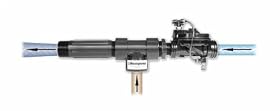
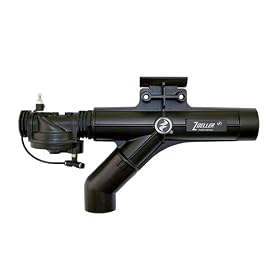
A water-powered backup uses pressurized municipal water to drive a backup pump. Water passes through the device, creates suction or pumping action, and carries sump water out through the discharge plumbing. The system does not need a battery or household electricity to operate.
Its performance depends on the water pressure and flow available at the connection point. Check the manufacturer's minimum and maximum water-pressure requirements rather than assuming that normal household pressure will be sufficient.
Water-powered backup advantages
It can run for an extended outage as long as water service and adequate pressure remain available.
It does not require battery replacement or charging.
It can continue working after a long power failure when a battery system might run down.
It may be useful in areas with frequent grid outages but reliable municipal water.
The operating mechanism is not dependent on the home's electrical service.
Water-powered backup limitations
It generally is not suitable for homes that rely on a private well during a power outage, unless the well system has an independent backup power arrangement that maintains the required pressure.
It consumes municipal water while operating, potentially increasing water and sewer charges.
Its pumping capacity varies with available water pressure and the installation's lift and plumbing restrictions.
It requires a suitable water-supply connection, discharge arrangement, and backflow protection.
Local plumbing codes, utility rules, or building requirements may restrict installation.
The system may be ineffective if a storm causes a broader municipal water outage or pressure loss.
A licensed plumber should handle connections that affect potable-water piping, backflow prevention, or local code compliance. Never connect a water-powered backup by bypassing required backflow protection.
Product prices and availability are accurate as of the date/time indicated and are subject to change. Any price and availability information displayed on Amazon.com at the time of purchase will apply to the purchase of this product.
Which backup is better for your home?
Choose a battery backup when:
You have a private well.
You want a backup that does not use water during an outage.
Your home lacks a convenient, approved municipal-water connection.
You need alarms or monitoring features offered by battery systems.
You can inspect and replace the battery on a regular schedule.
You want the backup to operate independently of both grid electricity and municipal water pressure.
Choose a water-powered backup when:
Your home has dependable municipal water service.
Water pressure meets the pump manufacturer's requirements.
Your local plumbing rules permit the installation.
You want long outage duration without relying on battery capacity.
You accept water consumption and the need for plumbing maintenance.
Consider both forms of backup when risk is high
A battery system and a water-powered system can provide different layers of protection, but adding equipment also adds installation points, valves, discharge connections, and maintenance tasks. The systems must be compatible with the basin, discharge piping, and primary pump arrangement. Have the layout reviewed before installing two backups, especially if both would share a discharge line.
Product prices and availability are accurate as of the date/time indicated and are subject to change. Any price and availability information displayed on Amazon.com at the time of purchase will apply to the purchase of this product.
Installation details that affect the decision
Pumping height and discharge layout
The vertical distance from the pump to the discharge outlet is called the lift or head height. Horizontal pipe length, elbows, check valves, and narrow piping also increase resistance. A backup rated for a particular flow may deliver less water at a higher lift.
Compare both systems using the same installation conditions. Do not choose by advertised gallons-per-minute figures alone; ask for performance at the required lift.
Separate discharge paths
A backup pump may need its own discharge pipe, or it may connect to the primary pump's discharge system with an approved arrangement. Improperly combining pumps can cause backflow, restrict flow, or allow one pump to discharge into the other. Follow the manufacturer's piping diagram.
Basin size and float movement
The backup pump must fit in the sump basin without interfering with the primary pump, float switch, inlet, or discharge piping. The float must move freely and should not be trapped against the basin wall or nearby equipment.
Check valves
Each pump's discharge setup needs the check-valve arrangement specified by the manufacturer. A missing, incorrectly oriented, or leaking check valve can allow water to flow back into the basin, causing unnecessary cycling and reducing effective pumping capacity.
Electrical and plumbing safety
Keep battery chargers, plugs, and connections above possible flood levels where the installation allows. Do not modify electrical components or use extension cords in place of a properly installed receptacle. For water-powered systems, use the required shutoff, backflow protection, and approved fittings.
Product prices and availability are accurate as of the date/time indicated and are subject to change. Any price and availability information displayed on Amazon.com at the time of purchase will apply to the purchase of this product.
Maintenance requirements
Battery backup maintenance
At intervals recommended by the manufacturer:
Check the battery condition, terminals, and electrolyte requirements if applicable.
Confirm that the charger indicates normal operation.
Test the backup pump using the system's test procedure.
Inspect the float or water-level sensor for free movement.
Check the alarm and any remote notification feature.
Inspect the discharge pipe and check valve for leaks or obstructions.
Replace the battery when it fails testing or reaches the service interval specified by its manufacturer.
A backup battery should not be treated as maintenance-free. A neglected battery can be the weak link during the outage when the system is needed most.
Water-powered backup maintenance
At intervals recommended by the manufacturer:
Test the pump by raising the water level or using the approved test method.
Confirm that the municipal-water shutoff is open.
Inspect supply connections for dripping or corrosion.
Check that the discharge line and check valve are clear.
Verify that the pump stops correctly when the water level falls.
Look for signs of backflow-protection problems or unusual water use.
Have plumbing issues corrected before the next major storm.
Bottom line
A battery backup is generally the safer fit for homes with private wells, uncertain municipal water pressure, or a need to avoid water consumption. A water-powered backup is attractive when municipal water is reliable, the plumbing installation is approved, and long outage duration matters more than water use. Neither system replaces a correctly sized primary sump pump, a clear discharge line, and regular testing.
FAQ
Can a water-powered sump pump work during a power outage?
Yes, if it has an adequate municipal water supply and pressure. It normally will not work during a power outage in a well-supplied home unless the well system has separate backup power that maintains the required water pressure.
Which backup sump pump lasts longer, battery or water-powered?
A water-powered system can continue running as long as municipal water service and pressure remain available. A battery system is limited by battery capacity and pump demand, but it does not depend on municipal water and may be more suitable for homes with private wells.
Does a water-powered backup sump pump waste water?
It uses water while operating. The amount depends on the system design, water pressure, pumping conditions, and how long it runs. Check local water and sewer costs before choosing one.
How often should a sump pump backup battery be replaced?
Follow the battery and backup-pump manufacturer's service guidance. Replace it sooner if it fails a test, shows damage, will not hold a charge, or has visibly corroded terminals. Battery life varies with type, temperature, charging conditions, and outage frequency.
Can I install both a battery and water-powered backup sump pump?
Possibly, but the basin, floats, discharge piping, check valves, water supply, and electrical installation must be compatible. Follow both manufacturers' instructions and consult a qualified plumber or electrician when the installation affects potable-water piping, backflow protection, or household wiring.