Covering a sump pit can help keep soil gas, including radon, from entering the home—but only if the cover seals properly around its edges and openings. A cover alone does not establish whether your home has a radon problem or replace a properly designed mitigation system. Test the home, and make sure any cover preserves sump pump operation and works with existing radon equipment.
Setup · Fri Sep 18
Radon considerations when covering a sump pit
A properly sealed sump pit cover can help limit radon from entering the home, but it is not a substitute for testing or a complete radon mitigation system. Keep the cover serviceable and compatible with your sump pump and any existing mitigation equipment.
Why the sump pit can matter for radon
Radon is a naturally occurring radioactive gas that can move from soil into a home through openings in the foundation. An open or poorly sealed sump pit can be one of those entry points. Radon has no reliable smell or visible warning, so testing—not inspecting the pit—is how you find out whether indoor levels are elevated.
If a home has an active radon system that draws soil gas through or near the sump pit, the pit may be part of that system’s design. Sealing it without understanding the setup could interfere with the system. Check the mitigation-system documentation or ask a qualified radon professional before changing the cover.
Sealed cover for limiting soil-gas entry
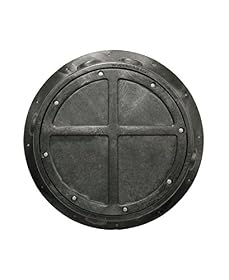 Jackel Original Radon/Sump Dome (Model: SMR16101-B) - Black Polyethylene Structural Foam - Submersible Sump Pump…Jackel
$119.99 as of
View on Amazon Radon Mitigation Sump Pump Dome Cover Lid with Window to see sump pump and water…RadonAway
$103.50 as of
View on Amazon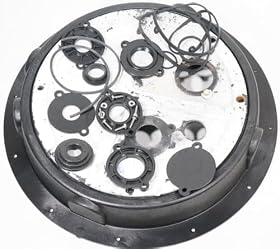 Replacement for Jackel The Original Radon Dome Sump Sewage Basin Pump Sealed Cover Lid repair…Generic
$249.95 as of
View on Amazon
Product prices and availability are accurate as of the date/time indicated and are subject to change. Any price and availability information displayed on Amazon.com at the time of purchase will apply to the purchase of this product.
Choose a cover that seals without blocking the pump
A basic loose-fitting lid may keep out debris but is not necessarily airtight. For limiting soil-gas entry, look for a cover intended to seal a sump pit, with a gasket or other sealing method and closable, sealable openings for pipes and wiring. The cover should fit the basin and allow access for pump service.
Before installing one, confirm that it:
- Fits the basin securely and seals around the rim.
- Has openings that can be sealed around the discharge pipe and electrical cords without pinching or damaging them.
- Leaves any basin inlets unobstructed.
- Allows the float to move freely and the pump to be removed for maintenance.
- Is compatible with any radon piping or pressure-monitoring components already present.
Do not permanently glue or caulk the lid shut if the pump needs routine inspection or removal. Follow the cover and pump manufacturers’ instructions, and use a qualified installer if you are unsure how to seal penetrations safely.
Replacement seal for a compatible pit cover
- Jackel Original Radon/Sump Dome (Model: SMR16101-B) - Black Polyethylene Structural Foam - Submersible Sump Pump…Jackel
$119.99 as of
View on Amazon  Liberty Pumps Cover for SP1822B Sump Pit. Includes Rubber Gasket, Seal and HardwareLiberty Pumps
$47.73 as of
View on Amazon- Replacement for Jackel The Original Radon Dome Sump Sewage Basin Pump Sealed Cover Lid repair…Generic
$249.95 as of
View on Amazon
Product prices and availability are accurate as of the date/time indicated and are subject to change. Any price and availability information displayed on Amazon.com at the time of purchase will apply to the purchase of this product.
Test and verify the result
Use a radon test in the lowest level of the home that is regularly occupied, following the test kit or device instructions. In the U.S., the EPA recommends taking action to reduce radon at or above 4 picocuries per liter (pCi/L); it also advises considering a reduction strategy for readings between 2 and 4 pCi/L. A local or state radon program can explain testing and mitigation options for your area.
If you install a sealed cover, test again according to the test instructions. If levels remain elevated, contact a qualified radon mitigation professional. A sealed lid may be one part of a solution, but a professional can determine whether the home needs an active system and how to keep it compatible with the sump.
Check the sump after installation
With the cover in place, verify that the pump turns on and off normally, the float moves freely, and water can enter the basin as it did before. Check that the lid stays secure and that pipe and cord openings remain sealed. Recheck after pump service or any change to the radon system.
If the cover prevents pump access, binds the float, or cannot be sealed around the actual pipe and cord layout, choose a compatible cover rather than modifying the pump or blocking water entry. If the pump or mitigation system behaves differently after the change, stop and have the setup inspected by a qualified professional.
FAQ
Does a sump pit cover stop radon?
A properly sealed cover can reduce one possible path for soil gas to enter the home, but it does not prove that radon levels are safe or replace testing. If readings are elevated, consult a qualified radon professional.
Can I seal my sump pit if I already have a radon mitigation system?
Do not change the cover until you understand how the system uses the pit. The pit may be part of the system’s suction path, and an unsuitable seal could interfere with its operation. Ask the system installer or a qualified radon professional.
What radon level calls for action?
The EPA recommends reducing radon at or above 4 pCi/L and says homeowners should consider doing so at readings between 2 and 4 pCi/L. Follow test instructions and consult your state radon program or a qualified professional.
Should a sump pit cover be permanently sealed?
It should seal around the rim and openings, but it also needs to remain serviceable so the pump can be inspected or removed. Follow the cover and pump instructions, and do not obstruct basin inlets or float movement.