A submersible sump pump with a vertical float is a practical choice for many narrow or compact sump pits. Learn how the float switch works, which specifications matter, and when a different pump style may be better.
A submersible sump pump with a vertical float sits in the sump basin and uses a float that rises and falls vertically to start and stop the motor. This compact switch design can work well in narrower pits where a tethered float may not have enough room to move freely. The right pump still depends on the basin size, required pumping height, discharge plumbing, electrical supply, and the manufacturer’s installation requirements.
How a vertical-float sump pump works
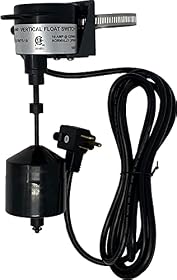
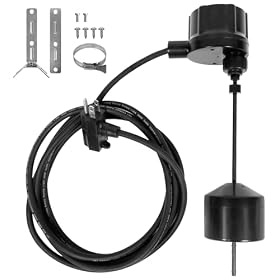
The pump motor is submerged in the pit, while the vertical float operates a switch near the pump housing. As water rises, the float moves upward and turns the pump on. When the water level falls, the float drops and shuts the pump off.
Compared with a tethered float, a vertical float generally moves within a smaller space. That can reduce the chance of the float hitting the basin wall, discharge pipe, or nearby objects. However, the pump must still be positioned correctly, and the float must be able to move without obstruction.
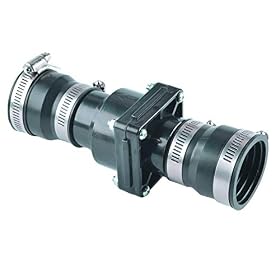
Most submersible pumps discharge through a pipe connected to the pump outlet. A check valve is commonly installed in the discharge line to reduce backflow after the pump stops. Follow the pump and check-valve manufacturer’s instructions for the correct plumbing arrangement.
When a vertical float is a good choice
Consider this style when:
The sump basin is relatively narrow or crowded.
A tethered float would not have enough room to swing.
You want the pump and switch in one compact assembly.
The pump will be installed in a typical residential sump basin.
You prefer automatic operation rather than manually switching the pump on and off.
A vertical float is not automatically better than every other switch design. Some basins have unusual shapes, sediment buildup, or obstructions that can interfere with vertical movement. Check the pump’s required basin dimensions and operating clearance before buying.
Product prices and availability are accurate as of the date/time indicated and are subject to change. Any price and availability information displayed on Amazon.com at the time of purchase will apply to the purchase of this product.
Specifications that matter before you buy
Pumping height and flow
Manufacturers may list flow at different discharge heights. A pump’s flow rate at the outlet is not the same as its flow rate through your installed system. Vertical lift, horizontal pipe runs, elbows, the check valve, and pipe diameter all add resistance.
Look for the pump’s performance information at the total dynamic head or operating height you need. Measure from the pump outlet to the point where water exits, then account for the plumbing layout. A pump that has an impressive open-flow number may deliver much less water at the actual discharge height.
Basin size and float clearance
A vertical-float pump usually needs less side-to-side space than a tethered-float model, but it still requires room for the float to rise and fall. Check:
Minimum basin diameter recommended by the manufacturer.
Required water depth for the pump to start and stop.
Clearance from the float to the basin wall.
Clearance from the float to the discharge pipe, power cord, and other equipment.
Whether the pump can stand level on the basin floor.
Do not place objects inside the basin to hold the pump upright unless the manufacturer specifically permits that installation.
Switch type and adjustability
A vertical float may have a fixed operating range or a design that allows limited adjustment. A smaller operating range can help conserve basin space, but frequent cycling may occur if the pump starts and stops with only a small change in water level.
Check the expected start and stop levels, especially if your basin is shallow. The pump should not run dry, and it should not leave an excessive amount of water in the basin after shutting off.
Motor and materials
Check the manufacturer’s information for motor construction, thermal overload protection, housing material, and approved pumping conditions. Some pumps are intended for clear groundwater, while others can handle limited solids or dirty water. Never assume a sump pump is suitable for sewage, solvents, flammable liquids, hot water, or abrasive material.
The pump’s power requirement must match the available electrical circuit. Use a properly grounded outlet protected as required by local code and the manufacturer’s instructions. Do not use an extension cord as a permanent installation unless it is specifically allowed by the manufacturer and local requirements.
Automatic versus backup operation
A primary pump with a vertical float handles normal groundwater entering the pit. It does not protect against every failure scenario. A separate battery or water-powered backup system may be appropriate if basement flooding would cause serious damage, if power outages are common, or if the sump handles heavy inflow.
A backup pump should be installed so it does not obstruct the primary pump or its float. Test the backup system according to its instructions rather than assuming it will operate automatically when needed.
Product prices and availability are accurate as of the date/time indicated and are subject to change. Any price and availability information displayed on Amazon.com at the time of purchase will apply to the purchase of this product.
Installation considerations
Before replacing a pump, disconnect power and keep electrical connections away from standing water. If the pump is hardwired, the circuit or wiring work should be handled by a qualified professional.
A typical installation involves:
Removing the old pump and checking the basin for sediment, debris, or damaged plumbing.
Confirming that the replacement pump outlet matches the discharge plumbing or that an appropriate adapter is permitted.
Installing a check valve in the correct flow direction when specified.
Setting the pump upright on a stable, level surface.
Positioning the vertical float so it can move freely through its full range.
Routing the discharge pipe so it is supported and does not press against the float.
Testing the pump by adding water to the basin and observing the start, pumping, and shutoff cycles.
Do not seal the pump permanently into the plumbing before confirming that the float operates freely and the discharge system does not leak.
Product prices and availability are accurate as of the date/time indicated and are subject to change. Any price and availability information displayed on Amazon.com at the time of purchase will apply to the purchase of this product.
Common problems with vertical-float sump pumps
The pump does not start
First check whether the pump has power and whether the circuit or ground-fault protection has tripped. Then inspect the float for dirt, a stuck position, or interference from the basin wall, pipe, cord, or debris.
If the float moves normally, check whether the water level has reached the pump’s start level. Never reach into the basin while the pump is connected to power. If the outlet is powered and the switch is unobstructed but the motor remains silent, the float switch, motor, or electrical connection may have failed.
The pump runs but moves little water
Check the filter or intake screen for mud, gravel, or debris. Inspect the discharge pipe for a clog, frozen section, crushed section, or closed valve. Confirm that the check valve is installed in the correct direction and is not stuck.
Also compare the pump’s rated performance with the actual vertical lift. A long or restrictive discharge route can reduce flow even when the pump itself is operating normally.
The pump runs continuously
A blocked discharge, undersized plumbing arrangement, or unusually high inflow can prevent the water level from falling enough to reach the shutoff point. Check for leaks or backflow after the pump stops and verify that the check valve is functioning.
If water continues entering faster than the pump can remove it, the system may need a higher-capacity primary pump, a second pump, improved drainage, or a backup arrangement. Do not leave a pump running continuously if the motor is overheating or the manufacturer does not permit continuous operation.
The pump cycles too often
Frequent cycling can result from a small basin, a narrow switch range, water flowing back through the discharge line, or groundwater entering at a high rate. Check the check valve and inspect the float for sticking. If the basin is too small for the pump’s operating range, replacing the pump alone may not solve the problem.
Product prices and availability are accurate as of the date/time indicated and are subject to change. Any price and availability information displayed on Amazon.com at the time of purchase will apply to the purchase of this product.
When to replace the pump or switch
A replacement vertical-float sump pump is reasonable when the existing motor is noisy, trips protection repeatedly, leaks oil or other fluid, has damaged housing, or cannot pump adequately despite a clear intake and discharge line. Replace a failed integrated float switch with a manufacturer-approved part when one is available and the motor remains in good condition.
Replacing only the switch may not make sense when the pump is old, corroded, heavily clogged, or showing motor problems. Use a compatible replacement rather than choosing by horsepower alone. Outlet size, operating height, basin clearance, switch design, power requirements, and approved solids handling all affect whether the pump will work in your system.
If the pump fails during heavy rain, if water is near electrical equipment, or if the basin is filling faster than you can safely manage, avoid handling live equipment and contact a qualified plumber or electrician. Always defer to local electrical code and the pump manufacturer’s installation instructions.
FAQ
What is a vertical float on a sump pump?
A vertical float is an automatic switch that rises and falls in a mostly vertical path. It starts the pump when water reaches the upper activation level and stops it when the water drops to the shutoff level.
Is a vertical-float sump pump suitable for a narrow pit?
Often, yes. A vertical float generally needs less side-to-side space than a tethered float, but the pump still needs the manufacturer’s recommended basin diameter and enough clearance for the float to move without touching the wall or plumbing.
Why does my vertical-float sump pump keep running?
Common causes include a clogged intake, blocked or restrictive discharge pipe, a malfunctioning check valve, excessive water inflow, or a float that cannot reach its shutoff position. Disconnect power before inspecting the pump or basin.
Can I replace a tethered-float pump with a vertical-float pump?
Possibly, if the new pump fits the basin, handles the required pumping height, matches the electrical supply, and has adequate float clearance. Compare the manufacturer’s basin and plumbing requirements before making the change.