A replacement float switch can restore automatic sump pump operation when the pump still runs correctly but does not start or stop at the proper water level. Match the switch style, electrical rating, plug arrangement, cord length, and pump compatibility before buying.
A replacement float switch is usually the right fix when a sump pump runs when powered directly but does not turn on or off automatically. Before buying, match the switch style and electrical specifications to the pump, then check for a stuck float, damaged cord, clogged discharge, or incorrect installation. If the pump motor is noisy, seized, leaking electricity, or unable to keep up with inflow, replacing only the float switch may not solve the problem.
Check whether the float switch is the problem
Disconnect power before inspecting the pump or switch. Keep the plug and electrical connections dry, and follow the pump manufacturer’s instructions.
Use these checks:
Look for a stuck float. The float should move freely without touching the basin wall, pump, discharge pipe, or other equipment. Remove debris that prevents it from rising or falling.
Check the switch cord and plug. Look for cuts, crushed insulation, melted plastic, corrosion, or a loose connection. Do not use a damaged cord.
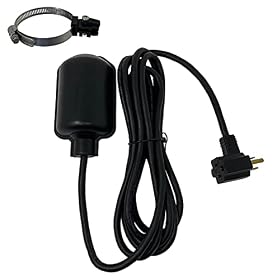
Test the pump separately, if the design allows it. Some sump pump switch assemblies use a piggyback plug: the pump plugs into the back of the switch plug, and the switch plugs into the outlet. With the switch bypassed only as allowed by the manufacturer, the pump may run continuously when connected directly to power. If it does not run, the problem may be the pump, outlet, or circuit rather than the float switch.
Check the water level and basin. A switch that is mounted too high, trapped under a discharge pipe, or restricted by a narrow basin may not actuate correctly.
Inspect the discharge system. A clogged pipe or failed check valve can make the pump cycle abnormally, although it will not normally prevent a functioning float switch from moving.
Do not repeatedly operate a pump that hums without pumping, trips the breaker, smells overheated, or shows signs of electrical damage. Have the circuit and pump evaluated by a qualified professional when the cause is not obvious.
Choose the correct replacement float switch
Match the switch style
The replacement must be designed for the way your sump pump detects water level. Common arrangements include:
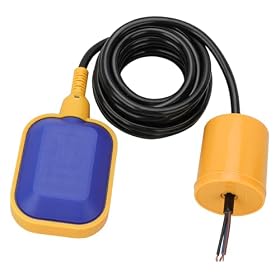
Tethered float switches: A floating bulb or capsule hangs beside the pump and swings upward as the water rises. They need enough basin space to move freely.
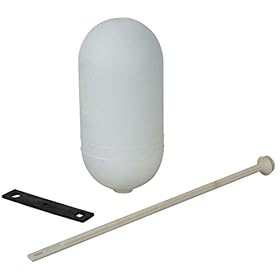
Vertical or compact float switches: The float travels up and down along a guide or pump-mounted assembly. These are often better suited to narrow basins.
Pump-specific replacement assemblies: Some pumps use a proprietary switch, bracket, sensor, or controller. A universal switch may not fit or operate correctly.
Do not assume that two switches are interchangeable because they look similar. Compare the old part with the pump manual, including the mounting method and switch movement.
Check the electrical rating
The switch must be rated for the pump’s voltage, current, and motor-starting load. Look at the pump nameplate and the replacement switch documentation. A switch rated only for a light-duty load may fail when used with a larger motor, even if the plug physically fits.
A piggyback switch also needs the correct plug and outlet arrangement. Do not cut off a grounding prong, defeat a ground-fault circuit interrupter, or modify the wiring to make an incompatible switch fit. If the electrical rating is unclear, choose a manufacturer-approved part or consult a qualified electrician.
Compare cord length and float travel
The cord must reach the outlet without tension, and the float needs enough room to move through its operating range. A tethered float with too little space may short-cycle, remain trapped, or fail to turn the pump on. A switch with excessive travel may allow the basin level to rise too high before the pump starts.
Measure the basin’s usable diameter and compare it with the switch manufacturer’s required clearance. The float should not be able to catch on the pump, liner, pipes, or basin cover.
Confirm pump and control compatibility
Some pumps have built-in electronic controls or a dedicated switch connection rather than a standard plug-in float. Others require a matching replacement switch assembly. Check the exact pump instructions or parts information before ordering.
A switch designed for a different pump family may have the wrong connector, mounting bracket, operating range, or electrical capacity. The safest choice is the replacement part specified for the pump, followed by a compatible universal switch only when its documentation confirms the match.
Product prices and availability are accurate as of the date/time indicated and are subject to change. Any price and availability information displayed on Amazon.com at the time of purchase will apply to the purchase of this product.
How to replace a sump pump float switch
The exact procedure varies by pump design, but the general process is:
Disconnect the pump from power. If the work involves fixed wiring or a junction box, turn off the appropriate circuit and use a qualified professional when necessary.
Remove the old switch or switch assembly. Note its orientation, mounting location, cord routing, and connection order before removal.
Inspect the pump and basin. Clean sediment and debris, and verify that the impeller, intake, and discharge path are not blocked.
Install the new switch according to the manual. Secure any clips or brackets firmly without pinching the cord.
Route the cord safely. Keep it away from the float’s travel path, sharp edges, the impeller intake, and standing water where the manufacturer does not permit contact.
Restore power and perform a controlled water test. Add water gradually while watching the switch. Confirm that the pump starts before the water reaches a dangerous level and stops after the level drops.
Check for short cycling. The pump should not turn on and off repeatedly within a few seconds. Adjust the float position only as instructed by the manufacturer.
Never test a submersible pump by handling it while energized or by placing hands in the basin with power connected.
Product prices and availability are accurate as of the date/time indicated and are subject to change. Any price and availability information displayed on Amazon.com at the time of purchase will apply to the purchase of this product.
When replacing the float switch is not enough
Replace the switch when the pump operates correctly with the switch bypassed or when the switch is visibly damaged, but the motor, impeller, and housing are otherwise in good condition.
Consider replacing the pump or calling a professional when:
The pump does not run from a known-good, properly grounded outlet.
The motor only hums, trips the breaker, overheats, or makes grinding noises.
The pump runs but moves little or no water after the intake and discharge are cleared.
The housing, power cord, or sealed motor area is damaged.
The pump cannot keep up with normal inflow, even with a correctly operating switch.
The basin or pump setup causes repeated short cycling that cannot be corrected.
A new float switch will not compensate for an undersized pump, a blocked discharge line, a failed check valve, or a damaged motor. If the sump protects a finished basement or other high-consequence area, consider a properly sized primary pump with a separate backup plan rather than relying on an uncertain repair.
Product prices and availability are accurate as of the date/time indicated and are subject to change. Any price and availability information displayed on Amazon.com at the time of purchase will apply to the purchase of this product.
Quick buying checklist
Before ordering a replacement float switch, verify:
Pump brand and exact model, if available
Tethered, vertical, electronic, or pump-specific switch style
Voltage and current rating, including motor-starting requirements
Plug, connector, and grounding arrangement
Cord length
Required basin diameter and float clearance
Mounting hardware and cord-routing method
Whether the switch is approved for continuous sump-pump operation
Whether the manufacturer requires a complete switch assembly instead of a universal replacement
If any of these details do not match, do not rely on a visual resemblance alone. Use the pump manual or the manufacturer’s parts documentation.
FAQ
How do I know if my sump pump needs a new float switch?
If the pump runs when properly powered but does not start or stop as the water level changes, the float switch may be faulty or obstructed. First check for debris, restricted float movement, cord damage, and incorrect positioning. If the switch is damaged and the pump itself operates normally, replacement is usually appropriate.
Are sump pump float switches universal?
Some are designed as universal plug-in replacements, but many are pump-specific. The switch must match the pump’s electrical load, plug or connector, mounting method, operating range, and available basin space. A switch that fits physically may still be electrically or mechanically incompatible.
Can I replace a tethered float switch with a vertical float switch?
Only if the pump and basin setup support the new switch and its electrical connection. Vertical switches may require different mounting hardware or a compatible pump design, while tethered switches need enough room to swing. Follow the pump and switch manufacturer’s compatibility instructions.
Why does a replacement float switch keep turning the pump on and off?
Short cycling can result from restricted float movement, insufficient float travel, a narrow basin, a discharge or check-valve problem, or inflow that quickly returns to the switch level. Recheck the installation and float clearance. If the pump starts and stops within seconds, correct the setup before continuing operation.
Should I replace the whole sump pump instead of the float switch?
Replace the whole pump when the motor will not run, overheats, trips the breaker, makes abnormal noises, has damaged wiring or housing, or cannot pump enough water after obstructions are cleared. Replacing only the switch is reasonable when the pump operates normally and the switch is the failed component.