A sump pump with a failed float switch may only need a switch replacement—but replacing the entire pump is usually the better choice when the motor is old, noisy, unreliable, or difficult to separate from the switch. Start by confirming that the switch is actually the problem, then compare the repair’s cost and effort with the risk of keeping an aging pump in service.
Price & Buying · Mon Sep 07
When to Replace a Sump Pump Instead of Repairing the Switch
A faulty float switch does not always mean you need a new sump pump. Use the pump’s age, condition, switch design, failure symptoms, and replacement cost to decide whether to repair the switch or replace the complete unit.
Repair the switch when the pump is otherwise healthy
A switch repair can make sense when:
- The pump motor starts promptly and runs smoothly when activated.
- The pump has no grinding, rattling, burning, or excessive vibration.
- The housing and power cord are in good condition.
- The pump is relatively new or has a known service history.
- The switch is a separate, replaceable component approved for that pump.
- The repair does not require modifying the pump’s wiring or safety components.
Some sump pumps use a tethered float, vertical float, pressure switch, or electronic water-level sensor. Others have a permanently integrated switch. Check the owner’s manual before ordering a replacement. A universal-looking switch may not be electrically or mechanically compatible.
Replacement primary pump
 Wayne Preassembled Primary & Battery Backup Sump Pump Combo SystemWayne
$567.41 as of
View on Amazon Superior Pump 92911 Backup Cast Iron Primary Sump Pump and Backup Pump Kit, 1/2 HP,…Superior Pump
$507.59 as of
View on Amazon ZOELLER Primary Sump Pump,3/10 HP,2580,115/120 VZoeller
$931.98 as of
View on Amazon
Product prices and availability are accurate as of the date/time indicated and are subject to change. Any price and availability information displayed on Amazon.com at the time of purchase will apply to the purchase of this product.
Replace the complete sump pump when these signs appear
Replacing the pump is generally more reasonable if any of the following apply:
The pump is near the end of its service life
Sump pumps do not have a guaranteed replacement interval because workload, water volume, sediment, power interruptions, and installation conditions vary. However, an older pump with a failed switch may soon develop motor, impeller, seal, or bearing problems as well. Replacing one worn component may not restore dependable backup protection.
If you do not know the pump’s age and it has already shown multiple problems, replacement is often the more cautious choice—especially if the basement would be seriously damaged by an overflow.
The motor is noisy, slow, or intermittent
A switch repair will not solve a pump that:
- Hums without moving water
- Starts only after tapping or repositioning it
- Runs more slowly than usual
- Trips a breaker or ground-fault device
- Shuts off unexpectedly
- Makes grinding or scraping noises
- Vibrates excessively
Disconnect power safely and follow the manufacturer’s instructions before inspecting the pump. Do not put your hands into standing water while the pump is connected to power. Electrical diagnosis, cord replacement, or internal motor repair should be handled by a qualified professional when you are not certain the equipment is de-energized and safe.
The switch is built into a sealed assembly
On some pumps, the float or level sensor is not intended to be repaired separately. Opening the housing can compromise seals, expose live electrical parts, or void the warranty. If the manufacturer does not list the switch as a replaceable part, replacing the pump is usually safer than improvising a repair.
The pump has been damaged by debris or corrosion
Silt, gravel, rust, and other debris can damage the impeller and interfere with float movement. Cleanable debris may only require maintenance, but a cracked housing, damaged impeller, corroded electrical connection, or leaking seal is a strong reason to replace the unit.
Compatible level control
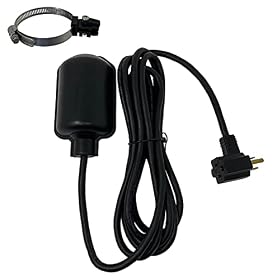 PumpSpy Sump Pump Tethered Universal Float Switch Replacement with Piggyback Plug for Sewage, Reliable Water…PumpSpy
$32.99 as of
View on Amazon FLUENTPOWER Vertical Mechanical Float Switch, Universal Float Switch Replacement with 120V Piggyback Plug for Submersible…FLUENTPOWER
$35.99 as of
View on Amazon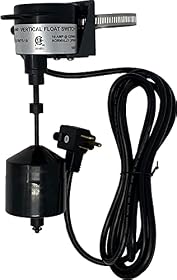 PumpSpy Vertical Float Switch for Sump Pumps – Universal Pump Switch Replacement with 10 ft…PumpSpy
$32.99 as of
View on Amazon
Product prices and availability are accurate as of the date/time indicated and are subject to change. Any price and availability information displayed on Amazon.com at the time of purchase will apply to the purchase of this product.
Confirm that the switch is really the problem
Before buying a switch or pump, check the common causes in this order.
1. Inspect the float and basin
Make sure the float can rise and fall through its complete range without touching the basin wall, discharge pipe, power cord, or another pump. A crowded pit can make a good switch appear defective.
Remove loose debris around the float, but disconnect power first and follow the pump’s service instructions. Do not force a float or bend its mechanism.
2. Check the pump’s filtration and intake area
If the pump runs but removes water slowly, the switch may not be the problem. Inspect the intake screen or openings for silt, gravel, plastic, or other debris. Clean only as directed by the manufacturer.
3. Inspect the discharge hose or pipe
A clog, frozen discharge line, crushed hose, or blocked outlet can make the pump run without lowering the water level. Check that the discharge line exits freely and that the outlet is not sending water back toward the foundation.
4. Look for a leaking or missing check valve
A failed check valve can allow discharged water to flow back into the pit after the pump shuts off. This can cause short cycling and make the pump appear unable to keep up. If the pump itself works normally but water returns through the discharge pipe, the valve may need replacement rather than the float switch.
5. Verify the installation
Confirm that:
- The pump is sitting upright on a stable, level surface.
- The float has enough room to move.
- The discharge pipe matches the pump’s required connection size.
- The pump is connected to the correct voltage and a properly installed outlet.
- The pump is not being asked to lift water higher than its rated capacity.
Do not choose a replacement based only on horsepower. Maximum flow changes with vertical lift, pipe size, elbows, check valves, and discharge layout.
6. Test the switch only as the manual permits
For a user-serviceable float, a controlled test may involve raising the float by hand or adding water to the basin while observing whether the pump starts and stops at the expected levels. Keep electrical connections dry and do not bypass a safety switch or connect unapproved wiring.
If the motor operates when the switch is manually activated but not during normal water-level changes, the float mechanism or sensor is more likely at fault. If the pump does not run during a manufacturer-approved test, the problem may be electrical or motor-related.
Discharge backflow protection
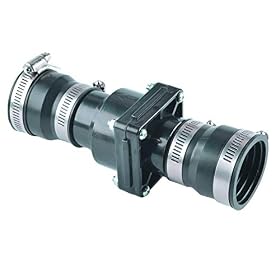 Hydro Master Plastic Sump Pump Check Valve with Stainless Steel Clamps for 1-1/2 inch or…HYDRO MASTER
$15.99 as of
View on Amazon Little Giant CV-10 Check Valve for the following Little Giant Series Condensate Pumps - VCC,…Little Giant
$8.27 as of
View on Amazon Threlaco 2 Pack Sump Pump Check Valve Fit 1-1/2 inch and 1-1/4 inch PipeThrelaco
$22.99 as of
View on Amazon
Product prices and availability are accurate as of the date/time indicated and are subject to change. Any price and availability information displayed on Amazon.com at the time of purchase will apply to the purchase of this product.
Compare the repair cost with the replacement risk
A switch repair may be the lower-cost option, but the purchase price is not the only consideration. Include:
- The price of the correct replacement switch
- Labor or service-call costs
- Compatibility and installation difficulty
- The age and condition of the pump motor
- The cost of another emergency repair
- Potential basement damage if the pump fails during heavy rain
Replacing the complete pump is usually the better value when the pump is old, the switch is integrated, the motor has symptoms, or the repair requires opening a sealed electrical housing. Repairing the switch is more reasonable when the pump is otherwise quiet, clean, reliable, and designed for that specific replacement part.
Backup protection
 The Basement Watchdog Combo Preassembled Primary & Battery Backup Sump Pump System w/Monitoring Controller (CITS-50);…BASEMENT WATCHDOG
$469.00 as of
View on Amazon WAYNE ESP25n - 12 Volt Battery Back Up Sump Pump, Battery Not Included - Up…Wayne
$349.99 as of
View on Amazon- Wayne Preassembled Primary & Battery Backup Sump Pump Combo SystemWayne
$567.41 as of
View on Amazon
Product prices and availability are accurate as of the date/time indicated and are subject to change. Any price and availability information displayed on Amazon.com at the time of purchase will apply to the purchase of this product.
What to check when buying a replacement pump
Match the new pump to the installation, not just the old pump’s label. Check the manufacturer’s specifications for:
- Voltage: It must match the available electrical supply.
- Discharge connection: The outlet size must work with the existing pipe or an approved adapter.
- Head height: Compare the pump’s performance at your actual vertical lift, not only its advertised maximum flow.
- Switch style: Choose a tethered, vertical, sensor-based, or other switch design that fits the basin and leaves room for reliable movement.
- Basin size: A wide tethered float may not work in a narrow pit.
- Solids handling: If the pit collects sediment or debris, verify the pump’s approved intake and solids capability.
- Power protection: Use the grounding, GFCI, and installation arrangement required by the manufacturer and local electrical rules.
Replace or inspect the check valve and discharge fittings at the same time if they are worn, leaking, or incompatible with the new pump. A new pump cannot compensate for a blocked outlet or water flowing back into the basin.
When a replacement unit is the reasonable next step
Replace the sump pump instead of repairing only the switch when the pump has multiple symptoms, an unknown or advanced age, an integrated nonserviceable switch, motor noise, electrical faults, or visible structural damage. If the pump is still dependable and the manufacturer provides a correct replacement switch, switch repair can be sensible—but test the repaired system with clean water before the next storm.
For a basement where flooding would cause major damage, consider keeping a separately powered backup pump or other backup system rather than relying on a single aging primary pump.
FAQ
How do I know if my sump pump float switch is bad?
If the pump runs when the float is manually raised but does not start as the water level rises, the float or level sensor may be faulty. First check for a stuck float, debris, restricted movement, or an incorrect installation. Follow the manufacturer’s testing procedure and keep electrical connections dry.
Is it worth replacing a sump pump switch?
It can be worth replacing when the pump is relatively new, quiet, clean, and designed to accept a separate replacement switch. Replacing the complete pump is usually more sensible when the motor is noisy or intermittent, the switch is integrated, or the pump’s age and maintenance history are unknown.
How long should a sump pump last?
There is no guaranteed service life. Actual life depends on pumping frequency, water volume, sediment, power conditions, installation, and maintenance. An older pump that has developed a switch problem deserves a broader inspection before you decide to repair it.
Can I replace a sump pump float switch myself?
Only if the pump manufacturer identifies the switch as a user-replaceable part and provides compatible instructions. Disconnect power safely, keep electrical components dry, and do not bypass safety controls. Have a qualified professional handle uncertain wiring or repairs involving sealed electrical housings.