A sump pump keeps water from building up in its basin by switching on when the water rises and pumping it through a discharge line away from the home. The float switch starts and stops most pumps automatically; a check valve helps keep discharged water from flowing back into the basin.
How They Work · Fri Sep 18
How a sump pump works
A sump pump collects water in a basin, switches on when the water reaches a set level, and sends it away through a discharge pipe. Here’s how the parts work together.
The basic sump pump cycle
Water from the surrounding area drains into the sump basin. As the water level rises, a float moves with it and activates a switch. The pump’s motor then drives an impeller, which pushes water into the discharge pipe.
When the water falls to the pump’s shutoff level, the switch stops the motor. The pump stays off until the water rises again. The start and stop levels differ, so the pump does not switch on and off continuously as the water level shifts slightly.
Replace a faulty level control
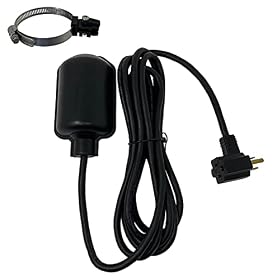 PumpSpy Sump Pump Tethered Universal Float Switch Replacement with Piggyback Plug for Sewage, Reliable Water…PumpSpy
$32.99 as of
View on Amazon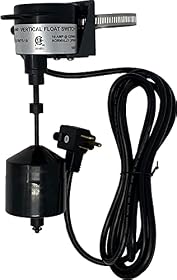 PumpSpy Vertical Sump Pump Float Switch, Universal Replacement, 10' CordPumpSpy
$32.99 as of
View on Amazon WASSERMANN Universal Tethered Sump Pump Float Switch with 10FT Cable (Piggyback Plug), AC 115V 16Amps…wassermann
$32.00 as of
View on Amazon
Product prices and availability are accurate as of the date/time indicated and are subject to change. Any price and availability information displayed on Amazon.com at the time of purchase will apply to the purchase of this product.
What the main parts do
- Basin: Collects water so the pump can remove it from a controlled location.
- Pump and motor: Move water from the basin into the discharge line.
- Float and switch: Detect the water level and turn the pump on or off. Designs vary: the float may move on an arm, travel vertically, or be built into a different sensing system.
- Discharge pipe: Carries water away from the foundation. Where it ends and how it is routed should follow the pump instructions and local requirements.
- Check valve: Allows water to flow out while limiting how much drains back into the basin when the pump stops. Some systems use a check valve in the discharge line; follow the pump and valve manufacturer’s installation directions.
Replace a failing backflow valve
 Ceoighe Quiet Sump Pump Check Valve, 2 Inch PVC Check Valve Fits 2" Schedule 40…Ceoighe
$25.99 as of
View on Amazon PumpSpy Threaded Quiet Sump Pump Check Valve with 100% Stainless Steel Clamps Included - Threads…PumpSpy
$17.99 as of
View on Amazon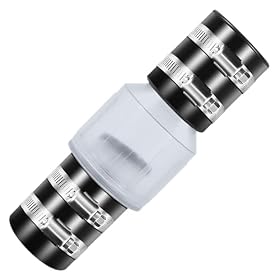 CV150 1-1/2" Silent Check Valve For Sump Pump, Compatible with 1-1/2″ PipeAOTOVARA
$12.80 as of
View on Amazon
Product prices and availability are accurate as of the date/time indicated and are subject to change. Any price and availability information displayed on Amazon.com at the time of purchase will apply to the purchase of this product.
Submersible and pedestal pumps
A submersible pump sits in the basin, with its motor designed to operate underwater. A pedestal pump has a motor mounted above the basin and a pipe or intake that reaches down into the water. The two styles differ in layout, maintenance access, and installation requirements. Choose a pump that fits the basin and drainage needs, and check its manufacturer’s instructions for permitted use and setup.
If the pump does not start or stop
If a pump is not working as expected, start with simple checks:
- Check the power safely. Look for a tripped breaker or unplugged connection. Keep the plug and outlet dry, and never reach into a basin with an energized pump. Follow the manufacturer’s electrical instructions; have an electrician address wiring or repeated breaker trips.
- Look at the float. A float wedged against the basin, pipe, or debris may not rise freely. Disconnect power before clearing an obstruction, and do not force or reposition a switch contrary to the manual.
- Check for a blocked discharge. A kink, blockage, or frozen section can prevent water from leaving. Do not run a pump against a suspected blockage; consult the manual or a qualified professional if you cannot clear it safely.
- Notice whether water flows back. If the basin quickly refills after the pump stops, a check valve may be missing, incorrectly installed, or failing. Confirm the setup against the valve instructions.
If the pump hums but does not move water, cycles rapidly, or repeatedly loses power, stop using it until the cause is identified. A damaged float switch or check valve may be replaceable if a compatible part is available. If the motor is failing, the pump is damaged, or the repair is uncertain, replacement or service by a qualified professional may be the safer choice.
FAQ
Does a sump pump run all the time?
No. In a typical automatic system, the float or another level sensor starts the pump when water reaches its activation point and stops it after the water drops to its shutoff point. Frequent or continuous running can indicate heavy water inflow or a problem with the pump or discharge system.
What does a sump pump check valve do?
It lets pumped water travel out through the discharge line while limiting its return to the basin after the pump stops. Installation direction and placement depend on the valve and pump instructions.
How can I tell if the float switch is working?
With the pump powered off, check whether the float is visibly obstructed or restricted. For a functional test, follow the pump manufacturer’s procedure; do not handle wiring or reach into an energized basin.