If you see oil or a rainbow-colored sheen in a sump pit, don’t assume the pump is the source—but don’t keep running a pump that may be leaking. Some submersible sump pumps have sealed, oil-filled motor housings. A damaged seal or housing can release that oil, while groundwater or other contaminants can create a similar-looking film. Check safely, and don’t open the pump to investigate.
Troubleshooting · Fri Sep 18
Oil from an old pump in the pit
A rainbow sheen in a sump pit does not always mean the pump is leaking. Keep clear of electrical hazards, look for clues without opening the pump, and treat a suspected oil leak as a reason to stop using and replace the unit.
Replacement pump if the old unit is leaking
 WAYNE CDU790 1/3 HP Submersible Water Pump, Heavy Duty Basement Sump PumpWayne
$137.08 as of
View on Amazon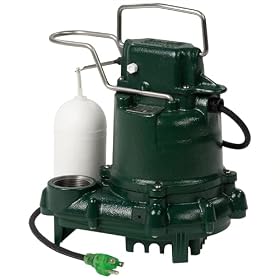 Zoeller M53 Mighty-mate Submersible Sump Pump, 1/3 HpZoeller
$213.08 as of
View on Amazon WAYNE CDU800 1/2 HP Submersible Sump Pump – Cast Iron & Stainless Steel, Vertical Float…Wayne
$158.78 as of
View on Amazon
Product prices and availability are accurate as of the date/time indicated and are subject to change. Any price and availability information displayed on Amazon.com at the time of purchase will apply to the purchase of this product.
FAQ
Does an oily sheen always mean the sump pump is leaking?
No. A sheen can come from the pump, groundwater, or another contaminant. Visual clues can help, but they cannot confirm the source. Check the pump exterior for damage and contact a qualified pump professional or local environmental agency if the cause is unclear.
Can I keep using a pump that appears to be leaking oil?
No. If you suspect oil is coming from the pump, stop using it and arrange for replacement or professional evaluation. Do not open a sealed pump housing or try to refill it.
Can I pump the oily water into the yard or a storm drain?
Do not discharge water that may contain oil or other contaminants into a storm drain, yard, or sewer unless local authorities confirm that disposal method is allowed. Contact your local environmental or wastewater agency for instructions.