Sump Pump for a Finished Basement With Carpet Nearby
In a finished basement, choose a sump pump for the water it must move—not just the carpet nearby. A properly sized pump, backup plan, alarm, and well-sealed basin help reduce the risk of water reaching finished flooring.
What matters when carpet is near the sump
Choose a sump pump that can handle the expected water inflow and the vertical lift to the discharge point. Carpet does not call for a special pump, but it does raise the stakes if the pump or power fails: carpet and its padding can hold moisture and may need prompt drying or replacement after a flood.
Keep the pump and basin in an accessible, unfinished area whenever possible. Do not cover or obstruct the basin to hide it beneath carpet or built-ins. A secure basin cover can help limit debris and odors while still allowing access for inspection and service.
Match pump capacity to the job
A pump’s advertised flow rate is not the whole story. Flow generally decreases as the pump has to lift water higher or push it through a longer or more restrictive discharge line. Compare the pump’s performance at the actual lift in your home, and follow the manufacturer’s sizing guidance. If you do not know how much water enters the pit or how high the pump must lift it, a plumber or basement-waterproofing professional can assess the setup.
Also check that the pump fits the basin and that its float switch can move freely. A pump that is too large for the basin, or a float that catches on the wall or piping, may cycle improperly. Choose a model intended for the water conditions at your home, and follow its instructions for installation and maintenance.
Product prices and availability are accurate as of the date/time indicated and are subject to change. Any price and availability information displayed on Amazon.com at the time of purchase will apply to the purchase of this product.
Protect the finished area from power or pump failure
For a finished basement, consider a backup sump pump or other backup system suited to your basin and water conditions. Battery-powered backups depend on a charged, maintained battery; water-powered backups depend on an appropriate water supply and local plumbing requirements. Neither eliminates the need to inspect the system.
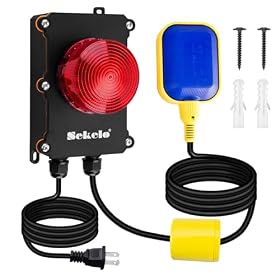
Add a water alarm near the basin, and consider a second alarm at the lowest carpeted area or another likely path for water. An alarm can provide warning, but it does not remove water. Check it regularly and make sure its alert can reach someone who can respond.
A check valve on the discharge line helps limit water flowing back into the pit after the pump stops. Use a valve and piping arrangement compatible with the pump, and make sure the discharge carries water away from the foundation without creating a new drainage problem.
Product prices and availability are accurate as of the date/time indicated and are subject to change. Any price and availability information displayed on Amazon.com at the time of purchase will apply to the purchase of this product.
Installation and carpet precautions
Have the basin, pump, discharge line, and electrical connection installed according to the pump manufacturer’s instructions and local requirements. Keep the outlet and electrical components away from standing water. Do not handle a plug or pump while standing in water; if electrical equipment has been wet, keep clear and contact a qualified professional.
Keep carpet edges, padding, stored items, and furniture away from the basin and any joints in the discharge piping. Leave enough space to remove the pump and service the float. If the pit is in a finished room, plan an accessible, moisture-resistant surround rather than sealing it behind permanent flooring or cabinetry.
Product prices and availability are accurate as of the date/time indicated and are subject to change. Any price and availability information displayed on Amazon.com at the time of purchase will apply to the purchase of this product.
Before buying, check these details
Water inflow and lift: Match pump performance to the water entering the pit and the height and route of the discharge.
Basin fit and float clearance: Confirm the pump fits and the switch can travel without hitting the basin or piping.
Backup compatibility: Check that a backup system fits the basin and works with the primary pump and available power or water supply.
Service access: Make sure you can inspect the float, clean the pit, test the pump, and replace components.
Alarm and response plan: Know who will receive an alert and what to do if the alarm sounds.
If carpet becomes wet, address the water source first and begin drying promptly. Waterlogged carpet or padding may require professional assessment, especially after sewage or contaminated floodwater. If the primary pump repeatedly fails, cannot keep up, or has a damaged housing or motor, repair or replacement is more sensible than relying on an alarm alone.
FAQ
Does carpet nearby mean I need a more powerful sump pump?
Not necessarily. Pump capacity should match the water entering the pit and the lift and route of the discharge. Carpet makes a failure more costly, so backup protection and an alarm may be especially valuable.
Should the sump pit be covered in a finished basement?
A secure, serviceable cover can help keep debris out and reduce odors. It should not prevent access to the pump or restrict the float switch, and the basin should not be permanently hidden beneath flooring or built-ins.
Is a backup sump pump worth considering near finished flooring?
It can provide another layer of protection if the primary pump fails or power is interrupted. Choose a backup compatible with your basin and water conditions, and maintain it according to its instructions.
Where should I put a water alarm?
Place one near the sump basin and consider another at a low point near the carpet or another likely route for water. Test the alarms and make sure someone can respond to their alerts.