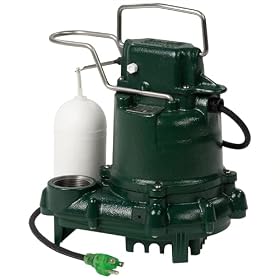
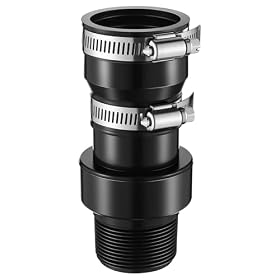
A sump pump that struggles after a dry summer may have a stuck float, a clogged or obstructed discharge line, or a motor that has failed. Check it safely with water in the basin before the next storm.
A sump pump that seems to be dying after sitting dry all summer may have a stuck float, debris near the intake, a blocked discharge line, or a failed motor. Disconnect power before handling the pump, then check the parts you can inspect safely. Once the basin contains water, test the pump according to its manual—do not run it dry unless the manufacturer permits it.
Check the pump safely first {#check-safely}
If water is already rising in the pit, or the pump is needed to prevent flooding, arrange backup removal of the water while you troubleshoot. Keep standing water away from electrical connections, and do not reach into water while the pump is plugged in.
Unplug the pump before moving it or checking the float, intake, or discharge connection. Do not lift or lower a pump by its power cord. If the plug, cord, outlet, or breaker looks damaged or wet, stop and contact a qualified professional.
Work through the likely causes {#likely-causes}
1. Clear debris from the intake
Leaves, grit, and other debris can collect in the basin while the pump is idle. With power disconnected, remove loose debris around the pump and intake. Check the manual for cleaning instructions; do not open the motor housing unless the manufacturer says it is serviceable.
2. Check the float and discharge line
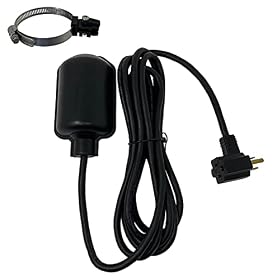
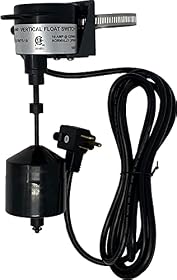
Move the float gently by hand, if the design allows. It should move freely without catching on the basin wall, piping, or cords. A stuck float can keep the pump from starting or make it run continuously.
Inspect the visible discharge pipe for a kink, blockage, or closed valve. Check that the outlet is not obstructed. A blocked line can cause poor pumping and may make the pump run longer than normal.
3. Inspect the check valve and connections
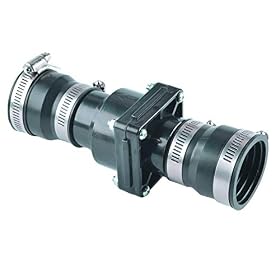
If the discharge line drains back into the pit after the pump stops, the check valve may be stuck, installed incorrectly, or worn. Check for loose or leaking pipe connections as well. Follow the valve and pump instructions before removing or replacing any plumbing parts.
4. Confirm setup and water level
Make sure the pump sits upright on a stable surface and that the float has room to travel through its operating range. The pump may not start if the water level is below its activation point. Do not pour water into the basin unless it can drain safely and the pump is properly installed.
5. Check power last
If the float moves freely and the pump is correctly positioned but does not run, check whether the circuit breaker or GFCI has tripped. Reset it only if the area and electrical equipment are dry and safe. If it trips again, do not keep resetting it; have the electrical problem checked by a qualified professional.
Product prices and availability are accurate as of the date/time indicated and are subject to change. Any price and availability information displayed on Amazon.com at the time of purchase will apply to the purchase of this product.
Test it and decide whether to repair or replace {#test-repair-replace}
Once the basin has enough water to reach the pump’s normal activation level, observe one operating cycle from a safe, dry position. The pump should start, move water through the discharge line, and stop when the water falls below its shutoff level. Use the manufacturer’s test procedure if it differs.
If it hums but does not pump, shuts off quickly, makes unusual grinding sounds, or repeatedly trips the circuit, unplug it and stop testing. A manufacturer-approved replacement float switch or check valve may solve the problem if that component is clearly faulty and serviceable. If the motor is seized, the pump leaks from its housing, or the unit still fails after basic checks, replacing the pump is generally more reasonable than attempting an internal repair.
If you cannot restore reliable operation before a storm, arrange temporary water removal or another suitable backup and get qualified help. A sump pump that has not been verified under normal water conditions should not be relied on to protect the basement.
Product prices and availability are accurate as of the date/time indicated and are subject to change. Any price and availability information displayed on Amazon.com at the time of purchase will apply to the purchase of this product.
Product prices and availability are accurate as of the date/time indicated and are subject to change. Any price and availability information displayed on Amazon.com at the time of purchase will apply to the purchase of this product.
FAQ
Can a sump pump be damaged by sitting dry all summer?
A dry period alone does not necessarily damage a sump pump, but the pump can still fail from age, debris, a sticking float, corrosion, or an electrical problem. Test it with water in the basin using the manufacturer’s procedure before relying on it.
How do I test a sump pump after summer?
With the pump installed and the area safe, follow the manufacturer’s test instructions. In general, the basin must contain enough water to activate the float; observe whether the pump starts, discharges water, and shuts off normally.
Why does my sump pump hum but not pump water?
Possible causes include a blocked intake or discharge line, a stuck or damaged impeller, or motor trouble. Disconnect power before checking for accessible debris. If the line is clear and the pump still hums without moving water, stop testing and consult the manufacturer or a qualified professional.