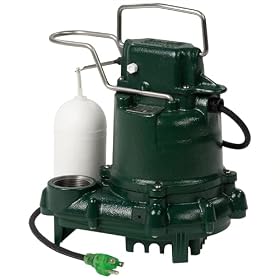
If your sump pump keeps tripping the GFCI, do not bypass the protection or repeatedly reset it. Disconnect power safely, check for water and clogs, inspect the cord and connections, and call a qualified electrician or replace the pump if the fault continues.
A sump pump that trips a GFCI is detecting a possible electrical leakage or ground fault. Unplug the pump if it is safe to do so, keep water away from electrical connections, and do not defeat the GFCI with an adapter or extension cord. After the immediate risk is controlled, check the pump’s filter path, discharge line, seals, installation, and cord before deciding whether the pump or the circuit needs professional attention.
What to do first
Do not repeatedly reset the GFCI. A single trip can result from moisture or a temporary fault, but repeated trips need investigation.
Keep clear of standing water. If the outlet, plug, cord, or nearby electrical equipment is wet, do not touch it. Shut off the circuit at the electrical panel only if you can do so without entering water or creating another hazard.
Do not bypass the GFCI. Never use a non-GFCI adapter, remove the ground pin, or run the pump from an improvised connection.
Protect the basement while the pump is disconnected. If water is rising, use a safe alternative such as a separate pump connected to a properly protected circuit, or contact a plumber or electrician for urgent help.
A GFCI trip can indicate a serious shock hazard. If you see damaged insulation, scorch marks, melted plastic, a burning smell, or water inside the receptacle, stop troubleshooting and call a qualified electrician.
Common causes, in the right check order
1. Moisture in the plug, outlet, or connection
Water can enter the receptacle, plug, cord end, or pump junction area. Condensation and splashing may also create a leakage path that the GFCI detects.
With power disconnected and the area safe, look for:
A wet or damp plug
Water dripping onto the receptacle
A cord connection lying on the floor
Cracked covers or damaged conduit
Corrosion on the plug blades
Do not energize a wet electrical connection just to see whether it works. Letting equipment dry is not a substitute for replacing a damaged cord, outlet, or pump. A qualified electrician should inspect a wet or damaged receptacle.
2. A clogged or jammed pump
A blocked inlet screen, impeller, or discharge line can make the motor work harder. That may cause overheating, an overload trip, or eventually an electrical fault.
After disconnecting power, check the pump according to the manufacturer’s instructions. Look for:
Gravel, silt, lint, or debris around the inlet
A blocked discharge pipe
A frozen or crushed discharge line
An impeller that cannot turn freely, if the design allows inspection
A check valve installed backward or stuck closed
Never put your hand into the pump. Do not open a sealed motor housing or remove guards unless the manufacturer specifically permits that service. If the pump is jammed and cleaning does not restore free movement, replacement is often more practical than attempting motor repairs.
3. A damaged power cord or plug
Inspect the entire cord for cuts, flattened sections, chew marks, brittle insulation, or heat damage. Check whether the cord has been pinched between the pump and basin or pulled tight against the discharge pipe.
A damaged cord or molded plug is not a safe do-it-yourself repair on a submersible sump pump unless the manufacturer provides an approved replacement procedure and part. Do not splice the cord, wrap damage with tape, or replace the grounding pin. Replace the pump or have the repair handled by an appropriately qualified professional.
4. Leaks, bad seals, or water inside the motor
A pump can trip a GFCI when water reaches internal electrical components. Possible clues include a pump that trips immediately, a housing that is cracked, unusual noise, corrosion, or water visible where it should not be.
Do not continue operating a pump with a damaged housing or suspected internal leak. Submersible pumps are designed to operate in water, but that does not mean water should enter the sealed motor compartment. Internal water damage generally means the pump needs replacement rather than a reset.
5. Incorrect installation or an overloaded connection
Confirm that the pump is connected as the manufacturer requires:
Use the correct voltage and circuit arrangement specified for the pump.
Plug it directly into a properly grounded, GFCI-protected receptacle unless the manufacturer’s instructions specify another approved setup.
Keep plug connections above the highest expected water level.
Do not use a household power strip.
Avoid sharing the circuit with high-load equipment if the circuit is not designed for it.
Make sure the pump is not resting on a position that strains the cord or blocks its inlet.
An extension cord is usually a poor permanent solution for a sump pump because the cord may be undersized, damaged by moisture, or unable to provide the required current. Follow the pump manual and local electrical requirements. A dedicated, properly protected circuit may be appropriate, but installation should be performed by a qualified electrician.
6. A full basin or pump running continuously
A high water level does not usually cause a GFCI trip by itself, but nonstop operation can expose another problem. A failed check valve may let water flow back into the basin, a float may be stuck, or the pump may be undersized for the discharge height.
Check that:
The float moves freely without touching the basin or pipes.
The pump shuts off when the water level falls.
The discharge pipe is not blocked.
The check valve allows flow out but prevents significant backflow.
The discharge outlet is not frozen or obstructed.
If the pump runs continuously and then trips after heating up, the motor may be overloaded or failing. Do not keep resetting it to force operation.
Replacement pump after a confirmed electrical or motor fault
Product prices and availability are accurate as of the date/time indicated and are subject to change. Any price and availability information displayed on Amazon.com at the time of purchase will apply to the purchase of this product.
How to tell whether the problem is the pump or the circuit
If the plug, cord, and pump are dry and visibly intact, an electrician may be able to determine whether the GFCI receptacle or the branch circuit is faulty. Do not test this by repeatedly plugging the pump into random outlets, especially outlets on circuits that are not suitable for a damp location.
Useful clues include:
The GFCI trips immediately when the pump is connected: suspect moisture, cord damage, an internal pump fault, or a circuit problem.
It trips only when the pump starts: suspect a failing motor, locked impeller, excessive starting load, or an unsuitable circuit.
It trips after several minutes: suspect overheating, a blocked discharge path, continuous operation, or insulation breakdown as the motor warms.
Other appliances also trip the GFCI: the receptacle, circuit, wiring, or moisture around the electrical system may be involved.
A replacement or known-good pump also trips the same GFCI: stop using that circuit and have it inspected.
A homeowner can make visual checks and confirm that a float is free, but diagnosing leakage current, grounding, or branch-circuit faults requires proper test equipment and electrical expertise.
Secondary protection while the primary pump is repaired or replaced
Product prices and availability are accurate as of the date/time indicated and are subject to change. Any price and availability information displayed on Amazon.com at the time of purchase will apply to the purchase of this product.
When to replace the sump pump
Replacement is the reasonable next step when the pump has a damaged cord, water inside the motor housing, a cracked case, repeated GFCI trips after clearing the discharge path, or a motor that overheats or smells burnt. Replace it with a pump that matches the basin, discharge pipe, required pumping height, and electrical requirements.
Do not choose only by the advertised gallons-per-hour figure. The pump must provide adequate flow at your system’s actual vertical lift and pipe configuration. Verify the discharge size, float type, cord requirements, and manufacturer-approved installation details before buying.
If the pump is your only protection against flooding, arrange temporary backup protection while the replacement is being installed. A backup pump is useful when a primary pump fails, but it should have an appropriate power source and discharge arrangement rather than being treated as a reason to ignore a GFCI fault.
When to call a professional
Call a qualified electrician when:
The GFCI or outlet is wet, hot, loose, scorched, or damaged.
The breaker trips along with the GFCI.
The circuit wiring or grounding is uncertain.
The pump trips multiple GFCI outlets.
You suspect leakage inside the wall, junction box, or receptacle.
You cannot safely disconnect power because water is present around electrical equipment.
Call a plumber or sump-pump professional when the pump is correctly powered but cannot keep up, the discharge line is blocked, the check valve causes backflow, or the basin and float arrangement need modification. Follow the pump manufacturer’s instructions and local code requirements for any replacement or rewiring work.
FAQ
Can I bypass the GFCI so the sump pump keeps running?
No. Do not bypass the GFCI, remove the ground pin, or use an unprotected adapter. A trip can indicate current leakage and a shock hazard. Find the cause or have the circuit and pump inspected.
Why does my sump pump trip the GFCI immediately?
Common causes include water in the plug or outlet, a damaged power cord, an internal pump leak, a jammed motor, or a fault in the GFCI or circuit. Disconnect power safely and stop resetting it until the cause is identified.
Can a clogged sump pump trip a GFCI?
A clog can make the motor overheat or work under excessive load, which may contribute to a trip. Disconnect power before checking the inlet, impeller area, discharge pipe, float, and check valve.
Should a sump pump be plugged into an extension cord?
A permanent extension-cord connection is generally not recommended. It can be undersized, damaged by moisture, or unable to handle the pump’s starting load. Follow the manufacturer’s instructions and have a suitable circuit installed when needed.
How do I know whether to replace the pump or the GFCI outlet?
If the pump trips multiple properly functioning GFCI outlets, the pump or cord is suspect. If other devices also trip the same outlet or circuit, the electrical installation may be at fault. A qualified electrician can test the receptacle and circuit safely.