A water-powered backup sump pump needs a dependable supply of pressurized household water to operate. It is usually intended for homes connected to a municipal water system, not homes that depend on a private well pump that may stop during a power outage. Before installing one, confirm the pump’s required water pressure and flow with the manufacturer, then verify that your plumbing can provide them while other fixtures are running.
Backup Systems · Mon Sep 07
Water-powered backup needs household water pressure
A water-powered sump pump backup can operate during a power outage, but only if your home has sufficient pressurized water and the plumbing can supply it. Here is what to check before relying on one.
How a water-powered backup pump works
A water-powered backup pump uses the pressure of incoming household water to create suction and move sump water through a separate discharge line. It does not need electricity, a battery, or a generator to run.
That makes it useful during a power outage—the same event that can disable the primary electric sump pump. However, the backup is not independent of your home’s water supply. If water pressure falls too low, the pump may move little water or fail to keep up with incoming groundwater.
Water-powered pumps also consume household water while operating. The exact water usage and pumping capacity vary by model and by the available pressure, so use the manufacturer’s specifications rather than assuming all water-powered backups perform alike.
Water-powered backup pump
 SumpJet® Water Powered Backup Emergency Sump PumpLiberty Pumps
$224.99 as of
View on Amazon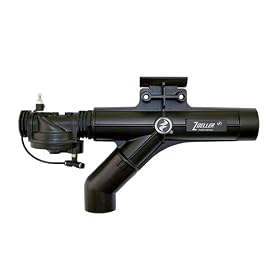 Zoeller 540 FLEX Water-Powered Backup Sump Pump SystemZoeller
$219.99 as of
View on Amazon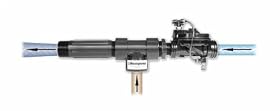 Basepump RB750 Water Powered Backup Sump PumpBasepump
$259.00 as of
View on Amazon
Product prices and availability are accurate as of the date/time indicated and are subject to change. Any price and availability information displayed on Amazon.com at the time of purchase will apply to the purchase of this product.
The household water conditions it needs
Reliable municipal water pressure
Most water-powered backup pumps are designed for homes with pressurized municipal water. The pump needs adequate pressure at the connection point, not merely water available somewhere in the house.
Pressure can drop when multiple fixtures are running. A shower, washing machine, irrigation system, or another high-demand fixture may reduce the water available to the backup pump. Have a plumber or qualified installer check the supply if your pressure is inconsistent.
Sufficient flow through the supply pipe
Pressure and flow are related, but they are not the same. A system may show acceptable static pressure while delivering inadequate flow through a small, restricted, corroded, or poorly configured supply line.
The manufacturer’s installation instructions should identify the required supply size, pressure range, and any flow requirements. Do not size the system by comparing it only with the water pressure shown on a house gauge.
A water source that remains available in an outage
A private well system generally depends on an electrically powered well pump and pressure tank. If the power fails, the well pump may stop, leaving the water-powered backup without its energy source.
Some homes have special arrangements that may change this conclusion, but a well-water installation should be reviewed by a qualified plumber and compared carefully with the pump manufacturer’s requirements. If your well system is not guaranteed to provide water during an outage, a battery backup or generator-supported backup may be more appropriate.
Battery alternative
 The Basement Watchdog Combo Preassembled Primary & Battery Backup Sump Pump System w/Monitoring Controller (CITS-50);…BASEMENT WATCHDOG
$469.00 as of
View on Amazon Wayne Preassembled Primary & Battery Backup Sump Pump Combo SystemWayne
$567.41 as of
View on Amazon VEVOR 2500W Sump Pump Battery Backup System, LCD Display, Auto Switches to Battery Inverter Power…VEVOR
$179.20 as of
View on Amazon
Product prices and availability are accurate as of the date/time indicated and are subject to change. Any price and availability information displayed on Amazon.com at the time of purchase will apply to the purchase of this product.
Check these items before buying or installing one
- Identify your water source. Determine whether the home uses municipal water or a private well.
- Read the pump’s pressure and flow requirements. Look for the required minimum pressure, supply connection, and expected performance at that pressure.
- Check pressure under demand. A plumber can measure pressure while other fixtures are operating. This is more useful than checking pressure with every fixture closed.
- Confirm the supply pipe and connection. The line must meet the installation instructions and should not be restricted by an unsuitable valve, filter, regulator, or fitting.
- Plan a separate discharge route. The backup should discharge where water cannot return to the foundation or enter the sump through the primary pump’s outlet.
- Review local plumbing requirements. Water-powered pumps can require backflow protection, an approved air gap or other separation method, and permits depending on local rules.
- Confirm the discharge capacity. The pump’s rated performance depends on the vertical lift, pipe size, fittings, and discharge distance. A long or high discharge route can reduce output.
Backflow protection
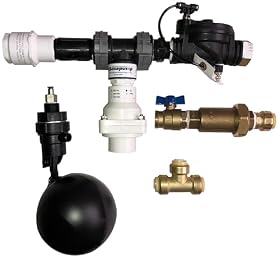 Basepump RB750-EZ Premium Water Powered Backup Sump Pump SystemBasepump
$366.00 as of
View on Amazon Basepump HB1000-AVB Water Powered Backup Sump Pump SystemBasepump
Check price on Amazon
View on Amazon
Product prices and availability are accurate as of the date/time indicated and are subject to change. Any price and availability information displayed on Amazon.com at the time of purchase will apply to the purchase of this product.
Why low pressure can cause trouble
If household pressure is below the pump’s requirement, the backup may run continuously without removing water quickly enough. You may notice a rising sump level, weak discharge, or a pump that appears to operate but cannot keep up during heavy rain.
Common causes of inadequate supply include:
- A pressure regulator set too low
- A partially closed or failing shutoff valve
- A clogged inlet screen or filter
- An undersized or restricted supply pipe
- Several fixtures using water at the same time
- A municipal pressure problem
- A well system that has lost electrical power
Do not increase a regulator setting beyond safe limits or bypass plumbing safety devices without professional guidance. The pump manual and local plumbing requirements take priority.
Installation and backflow concerns
A water-powered backup connects to the home’s potable water plumbing, so improper installation can create a contamination risk. Backflow protection and the required separation between potable water and sump discharge are especially important.
Follow the manufacturer’s plumbing diagram and local code. If the installation requires cutting into a water service line, adding a backflow device, or changing the discharge plumbing, use a qualified plumber. Do not connect sump water directly to a drinking-water line or improvise a cross-connection.
The pump should also have a reliable check-valve arrangement and a discharge path that prevents the primary pump from forcing water backward through the backup. Exact valve placement depends on the pump design and installation instructions.
Water-powered backup versus battery backup
A water-powered pump may be a good fit when:
- The home has dependable municipal water pressure
- The water supply remains available during an electrical outage
- You want a backup that does not require battery replacement
- Local plumbing rules permit the installation
A battery backup may be a better fit when:
- The home uses a private well and the well pump loses power during outages
- Municipal pressure is unreliable or too low
- Water conservation or operating cost is a concern
- The basement needs backup protection without modifying potable-water plumbing
- You already have a suitable battery system and want a simpler water connection
Some homes use more than one backup method, but each system should have its own correctly installed discharge arrangement. The primary sump pump, backup pump, check valves, and discharge lines should be evaluated as one system rather than as isolated parts.
If the water-powered backup is not keeping up
Start with basic checks that do not require special tools:
- Check the sump level and pump operation. Confirm that the backup is actually activating when the float or control calls for water removal.
- Reduce household water use. Turn off showers, washing machines, irrigation, and other fixtures temporarily. If performance improves, the available household flow may be the limitation.
- Inspect the supply valve. Make sure the valve feeding the backup is fully open, but do not force a damaged valve.
- Check for a clogged inlet screen or filter. Shut off the water first and follow the manufacturer’s cleaning instructions.
- Inspect the discharge line. Look for a blocked outlet, frozen section, crushed pipe, excessive lift, or a stuck check valve.
- Look for backflow into the sump. Water returning through the discharge line can make the pump appear ineffective and may indicate a check-valve or discharge-layout problem.
- Compare actual conditions with the manual. Pressure, flow, lift, pipe size, and fittings all affect capacity.
If the pump still cannot keep up, stop relying on it as the only backup. Arrange for a plumber to check the water supply and installation. Replace the pump when it has a damaged valve, worn internal mechanism, or other failure that is not economical to repair. If the home cannot provide the required water pressure during an outage, replacing it with another water-powered model will not solve the underlying problem; a battery or generator-supported backup may be the more practical choice.
FAQ
Can a water-powered sump pump work without electricity?
Yes. It uses pressurized household water instead of electricity to operate. However, it still needs a water supply that remains available and meets the manufacturer’s pressure and flow requirements.
Will a water-powered backup sump pump work on well water?
It may work only if the well system can provide the required water pressure and flow during a power outage. Because many well pumps also lose power during an outage, a battery or generator-supported backup is often a better fit for well-water homes.
How do I know whether my water pressure is high enough?
Check the pump manufacturer’s required pressure and flow, then have the supply evaluated under realistic demand. Static pressure alone may not reveal restrictions or inadequate flow.
Does a water-powered backup use a lot of water?
It consumes household water while operating. Water use varies by pump design, available pressure, and runtime, so consult the manufacturer’s specifications before choosing one.
Does a water-powered sump pump need a backflow preventer?
Potable-water plumbing must be protected from contamination, but the exact backflow device or separation method depends on the pump design and local plumbing requirements. Follow the installation manual and have the connection reviewed by a qualified plumber.