A sump pump alarm can sound with a dry pit if a sensor is misplaced or faulty, the pump recently cleared the water, or the backup system is reporting a power or battery problem. Start by identifying the alarm type before resetting anything.
A sump pump alarm can go off even when the pit looks dry because the water may have triggered it before the pump cleared the pit, the alarm sensor may be stuck or misplaced, or the backup system may be signaling a power or battery issue. First identify what the alarm is warning about; don’t assume the pump itself has failed.
Identify which alarm is sounding
Check the controller, alarm panel, or manual for the indicator light, display message, or beep pattern. Common alerts include high water, loss of AC power, low backup-battery charge, or a backup-pump problem. These alerts can sound similar, but they require different checks.
A high-water alarm may have been triggered during a recent storm and continued sounding after the pump emptied the pit. If there has been no recent water intrusion, focus on the sensor and its wiring. If the alarm is from a battery backup system, check its displayed status or error code rather than treating it as a high-water warning.
Check the water sensor and float
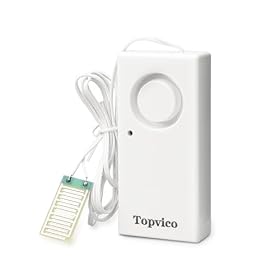
If the alarm indicates high water, inspect the alarm sensor and pump float from above the pit. Debris, a shifted sensor, a tangled cord, or a float caught against the basin wall can cause a false reading or prevent normal operation. Follow the manufacturer’s instructions for positioning and testing the sensor.
If the pit is dry, don’t pour in water just to test the system unless the manufacturer specifically recommends that procedure. Keep hands and tools away from electrical connections, and don’t reach into a wet pit or touch equipment with wet hands. If the sensor looks damaged, corroded, or waterlogged, replace it with a compatible part or have a technician check it.
Product prices and availability are accurate as of the date/time indicated and are subject to change. Any price and availability information displayed on Amazon.com at the time of purchase will apply to the purchase of this product.
Check the pump and discharge path
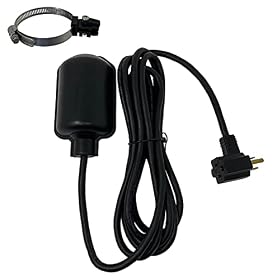
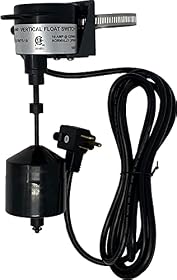
A dry pit after a storm may mean the pump worked, but confirm that it can operate normally when water rises. Look for a float that can move freely and a discharge pipe that is not visibly kinked, blocked, or leaking. A stuck or obstructed check valve can also interfere with pumping or allow water to flow back into the basin.
Do not run a pump dry as a test. If water returns to the pit and the pump does not start, or if the alarm reports high water while the level is rising, treat it as an urgent problem: arrange service and use another safe way to manage incoming water if needed.
Product prices and availability are accurate as of the date/time indicated and are subject to change. Any price and availability information displayed on Amazon.com at the time of purchase will apply to the purchase of this product.
Check backup power and electrical status
For a backup-system alarm, read the controller’s status lights or display and consult its manual. The system may be warning about a power interruption, a low or failing battery, or a backup pump fault—even with no water in the pit.
From a dry location, check whether the pump or controller appears to have power and whether a breaker has tripped. If you reset a breaker, do so only once. If it trips again, there is a burning smell, damaged wiring, or water near electrical equipment, stop and contact a qualified electrician or sump-pump technician. Do not bypass the alarm or disconnect backup power as a workaround.
When to replace a part or call for service
If the alarm is clearly reporting a sensor fault and the sensor is damaged or continues to alarm after correct positioning, replacing that compatible sensor is reasonable. A worn or unreliable float switch may also need replacement. Match parts to the pump or backup system’s manufacturer and model; connectors and control systems are not always interchangeable.
Call a technician if the alarm’s meaning is unclear, the pump fails to start when water rises, a breaker trips repeatedly, or the system continues to report a fault after the checks above. Consider replacing the pump only if it is confirmed to have failed or is no longer dependable—not just because an alarm sounded while the pit was dry.
FAQ
Can a sump pump alarm sound after the pit has emptied?
Yes. Water may have reached the alarm sensor during a recent storm, and the pump may have emptied the pit before you checked it. Some alarms also continue sounding until they are acknowledged or reset according to the manufacturer’s instructions.
Why does my sump pump alarm beep when there is no water?
The alarm may be indicating a power interruption, low backup-battery charge, backup-pump fault, or a sensor problem rather than high water. Check the controller’s lights, display, or beep pattern against its manual.
Should I pour water into the pit to test the alarm?
Only do this if the pump or alarm manufacturer recommends that test and explains how to perform it safely. Never run a pump dry, and avoid touching electrical equipment with wet hands.