Buying another sump pump makes sense when the pump itself has failed and the rest of the system is sound. A plumber visit is often the better choice when a new pump would not address the cause—such as a blocked discharge line, faulty check valve, poor setup, or recurring electrical problem. If water is entering the basement now, prioritize stopping the immediate damage and getting qualified help; do not handle electrical equipment in standing water.
Price & Buying · Sun Sep 20
When a plumber visit beats another pump purchase
Before buying another sump pump, check whether the failure is actually in the pump. A plumber can identify discharge, check-valve, float, or installation problems that a replacement unit will not fix.
When another pump is likely the right fix
A replacement is reasonable when the pump is visibly damaged, will not run despite a working power supply and correctly positioned float, or has reached the end of its service life. It is also a practical option if you have confirmed that the basin, discharge route, check valve, and electrical supply are in good condition.
Before purchasing, verify that the replacement fits the basin and discharge connection and is suitable for the water and conditions in your pit. Compare the manufacturer's flow information at the lift height your system requires—not just a maximum flow figure, which may not represent performance at your actual discharge height. Follow the pump instructions for installation and electrical requirements.
Replacement primary pump
 WAYNE CDU790 1/3 HP Submersible Water Pump, Heavy Duty Basement Sump PumpWayne
$137.08 as of
View on Amazon LANCHEZ 1HP 6600 GPH Submersible Sewage Pump, Heavy Duty Cast Iron Effluent Pump with Automatic…LANCHEZ
$169.99 as of
View on Amazon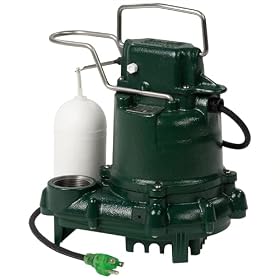 Zoeller M53 Mighty-mate Submersible Sump Pump, 1/3 HpZoeller
$213.08 as of
View on Amazon
Product prices and availability are accurate as of the date/time indicated and are subject to change. Any price and availability information displayed on Amazon.com at the time of purchase will apply to the purchase of this product.
When a plumber visit is more useful
Call a plumber when the pump runs but water does not leave the basin, the system cycles unusually often, or the problem returns after a replacement. Those symptoms can point to a clogged or frozen discharge line, a failed or incorrectly installed check valve, a float that is obstructed, or a discharge route that sends water back toward the foundation.
A professional diagnosis is especially worthwhile if you have replaced more than one pump, cannot identify where the water is going, see water entering through a different part of the basement, or suspect a problem with the basin or drainage system. Ask what the visit includes and whether the quote covers diagnosis, parts, and installation. That lets you compare the total repair cost with replacing the pump alone.
Electrical symptoms need extra caution. If a breaker trips repeatedly, a cord or outlet looks damaged, or the pump gives off a burning smell, stop trying to run it. Contact a qualified professional; electrical work may require an electrician rather than a plumber.
Backup for outages
 VEVOR 2500W Sump Pump Battery Backup System, LCD Display, Auto Switches to Battery Inverter Power…VEVOR
$185.12 as of
View on Amazon 2500 Watt Sump Pump Backup Battery System, Automatic Switching to Battery Inverter Power, Professional Backup…VIOPUMPO
$280.49 as of
View on Amazon Wayne Preassembled Primary & Battery Backup Sump Pump Combo SystemWayne
$553.41 as of
View on Amazon
Product prices and availability are accurate as of the date/time indicated and are subject to change. Any price and availability information displayed on Amazon.com at the time of purchase will apply to the purchase of this product.
Safe checks to make before calling
If the area is dry and you can inspect the system without touching wet electrical equipment, make these basic checks:
- Look for debris at the intake. Unplug the pump only when it is safe to do so, then follow the manual to inspect and clean the intake screen. Never reach into standing water around energized equipment.
- Check the discharge path. Look for a visibly kinked hose, closed valve, ice, or an outlet blocked by debris. Do not dismantle a pressurized or frozen line.
- Inspect the check valve and connections. Look for drips, loose fittings, or water visibly flowing back into the basin after the pump stops. A plumber can confirm whether the valve is installed and operating correctly.
- Check the float and setup. Make sure the float can move freely and is not caught against the basin wall, piping, or a cord. Confirm the pump is positioned as its manufacturer specifies.
- Check the basin level and power symptoms. If the pump is submerged but inactive, or repeatedly trips a breaker, do not keep cycling it. Get qualified help, especially if the floor or outlet area is wet.
Do not remove a pump or reach into a wet pit while it may be energized. If you cannot make these checks safely, skip them and call a professional.
Compare the repair with the full replacement cost
A pump price is only part of the decision. A replacement may also require compatible fittings, a check valve, discharge work, or professional installation. Conversely, a plumber's diagnosis may reveal that the pump is fine and only a smaller system repair is needed. Ask for the suspected cause and the scope of the proposed work before authorizing a full replacement.
If the system has no reliable backup and power outages are a concern, discuss a backup plan separately. A backup pump can reduce risk during an outage, but it will not correct a blocked discharge line, an undersized or poorly configured system, or a failing primary pump.
FAQ
Should I replace a sump pump that runs but does not remove water?
Not before checking the discharge line, check valve, intake, and float setup. If those are clear and correctly configured, the pump may have failed; if the cause is uncertain or the problem recurs, have a plumber diagnose it.
When should I call an electrician instead of a plumber?
Call a qualified electrician for repeated breaker trips, damaged wiring or outlets, or other suspected electrical faults. If there is standing water near electrical equipment, do not touch the equipment; get professional help.
Is it worth repairing an older sump pump?
It depends on the diagnosis, the pump's condition, and the total repair cost compared with a correctly sized replacement and installation. Ask for the cause of failure and an itemized scope before deciding.