A pedestal sump pump can be a practical alternative in a shallow pit because the motor stays above the water and the pump body occupies less space. It is most suitable when the pit is too shallow for a submersible pump, but it still needs enough depth for the intake, float switch, and required operating water level. Check the pump’s installation instructions and performance specifications before buying; a narrow pump does not automatically work in every shallow basin.
Comparisons · Mon Sep 07
Pedestal pump as an alternative in a shallow pit
A pedestal sump pump can fit a shallow or narrow pit because its motor sits above the water. Compare pit dimensions, switch clearance, pumping performance, noise, and installation requirements before choosing one.
How a pedestal sump pump works
A pedestal pump has two main sections:
- A pump base and intake that sit near the bottom of the pit
- A motor mounted on a vertical column above the water
As the water rises, a float switch activates the motor. The pump draws water through its intake and sends it through the discharge pipe. Because the motor is not submerged, the design can fit some pits where a full-size submersible pump would not have enough vertical room.
The motor must remain above the highest expected water level. Do not install a pedestal pump where splashing, flooding, or a rising water level could immerse the motor unless the manufacturer specifically permits that setup.
Replacement check valve
 Threlaco 2 Pack Sump Pump Check Valve Fit 1-1/2 inch and 1-1/4 inch PipeThrelaco
$22.99 as of
View on Amazon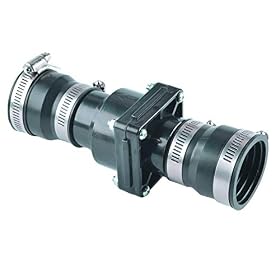 Hydro Master Plastic Sump Pump Check Valve with Stainless Steel Clamps for 1-1/2 inch or…HYDRO MASTER
$15.99 as of
View on Amazon Silent Sump Pump Check Valve, 1-1/2 Inch NPT, Spring-Loaded Flapper, Universal Fit with Hose Clamps,…Delyle
$17.99 as of
View on Amazon
Product prices and availability are accurate as of the date/time indicated and are subject to change. Any price and availability information displayed on Amazon.com at the time of purchase will apply to the purchase of this product.
Why a pedestal pump may suit a shallow pit
It needs less vertical room for the motor
A submersible pump places its motor inside the basin. In a shallow pit, the pump may not have enough room to stand upright, or its float may hit the cover or sidewall. A pedestal pump keeps the motor above the basin, leaving more usable space below.
It can fit some narrow pits
Pedestal pumps are often considered when the basin has a small footprint. However, measure the pump base and the float’s full movement—not just the pipe diameter. The float must be able to rise and fall without touching the basin wall, discharge pipe, liner, or cover.
It can be easier to inspect
The motor and switch are visible above the pit. That can make basic inspection and switch adjustment more convenient than working around a submerged pump.
Sump basin for a shallow installation
 Asixxsix 18 Inch Slotted Steel Sump Pump Cover LidAsixxsix
$34.46 as of
View on Amazon Drain Grate 304 Stainless Steel Linear Drain Cover, Outdoor Drainage System with Detachable Grate, Shallow…EXCLURA
$85.76 as of
View on Amazon Drain Grate 304 Stainless Steel Linear Drain Cover, Outdoor Drainage System with Detachable Grate, Shallow…EXCLURA
$133.94 as of
View on Amazon
Product prices and availability are accurate as of the date/time indicated and are subject to change. Any price and availability information displayed on Amazon.com at the time of purchase will apply to the purchase of this product.
What to check before choosing one
1. Measure the pit’s usable depth
Measure from the pump-supporting surface to the underside of the cover, if the pit has a cover. Then compare that space with the pump’s required installation height.
Also measure the water depth at which the pump starts and stops. These levels vary by model and switch design. A pump may physically fit while still leaving too little water depth for reliable automatic operation.
2. Check the intake position
The intake must sit low enough to remove water before it reaches the vulnerable level in the basement or crawlspace. At the same time, it should not rest directly in sediment or debris. Follow the manufacturer’s instructions for the required clearance and support.
If the bottom of the pit is uneven or muddy, a stable platform may be needed. Do not improvise a platform that can tip, block the intake, or interfere with the float.
3. Confirm float clearance
A pedestal pump commonly uses a vertical or tethered float. The switch needs unobstructed travel.
Check for interference from:
- The basin wall
- The discharge pipe
- The pump column
- The basin cover
- Electrical cords
- The backup pump or its float
With power disconnected, move the float through its complete range. It should not catch or remain stuck in either position.
4. Compare pumping performance at your lift height
Do not compare pumps only by the maximum gallons-per-hour figure on the box. That figure may be measured with little or no vertical lift. What matters is the flow the pump can provide at your actual total head.
Total head includes:
- The vertical distance from the pump outlet to the discharge outlet
- Friction from pipe length and fittings
- Check-valve resistance
- Any bends or restrictions in the discharge line
Use the manufacturer’s performance curve or flow table. A pump that fits the pit but cannot move water fast enough during heavy inflow is not a suitable replacement.
5. Verify the discharge connection
Check the required discharge pipe size and the type of adapter supplied or recommended. Avoid reducing the pipe size unless the manufacturer allows it, because restrictions can reduce flow and increase the risk of clogging.
A check valve can help prevent water in the discharge line from flowing back into the basin after the pump stops. Install it in the direction shown by the valve’s flow arrow and leave access for inspection or replacement.
6. Consider noise and cover requirements
Because the motor is above the water, a pedestal pump may transmit more operating sound than a submerged motor. If the pit is near a finished room, laundry area, or bedroom, noise may be a deciding factor.
A cover can reduce noise and help keep debris away, but it must provide the ventilation, cord routing, and clearance required by the pump manufacturer. Never enclose a motor in a way that causes overheating.
Pedestal pump versus submersible pump
| Consideration | Pedestal pump | Submersible pump |
|---|---|---|
| Motor location | Above the water | Inside the basin |
| Shallow-pit fit | Often favorable, if the intake and float fit | May require more vertical room |
| Noise | Usually more noticeable | Often quieter because the motor is underwater |
| Motor exposure | Must be protected from rising water and splashing | Designed for submerged operation within its rating |
| Inspection access | Motor and switch are visible | Pump must usually be removed from the basin for inspection |
| Covered basin installation | Requires careful motor and cord clearance | Often easier to cover, depending on the model |
| Debris concerns | Intake and switch still need protection | Intake screen and pump housing still need protection |
A pedestal design is not automatically better for a shallow pit. Choose it when its intake height, switch movement, pump curve, and motor clearance match the basin.
When a pedestal pump is not the right alternative
A different setup may be better if:
- The motor could be exposed to floodwater
- The basin is too shallow for the pump’s minimum operating level
- The float cannot move freely
- The pit receives heavy debris or sediment
- The pump cannot meet the required flow at the discharge height
- The pit cover would press against the motor or switch
- The installation requires unusually quiet operation
If the existing basin is too small for reliable operation, replacing or enlarging the basin may be more effective than forcing a pump into it. Any basin modification should be planned around the foundation, plumbing, local code requirements, and access for maintenance.
Installation and safety checks
Before installation, disconnect power to the existing pump and keep electrical connections out of standing water. Use a properly grounded, code-compliant outlet protected by the required ground-fault protection. Do not use an extension cord as a permanent sump-pump installation.
Follow the manufacturer’s instructions for:
- Supporting and positioning the pump
- Setting the float or switch
- Connecting the discharge pipe
- Installing the check valve
- Routing the power cord
- Testing automatic start and stop operation
After installation, pour water into the basin slowly and confirm that the pump starts, reaches a steady discharge, and stops without the float sticking. Check every joint for leaks and make sure the discharge water cannot return directly to the foundation.
Bottom line
A pedestal pump can work well in a shallow pit when the motor needs to stay above the water and the basin has limited vertical or horizontal room. The critical checks are not just overall pump size: verify the minimum operating depth, intake position, float travel, motor clearance, discharge pipe, and flow at the required lift. If any of those conditions cannot be met, a larger basin or a properly sized submersible pump is the safer solution.
FAQ
Can a pedestal sump pump work in a shallow pit?
Yes, if the pit provides enough depth for the intake and automatic switch and enough clearance above the basin for the motor. Compare the pump’s required start and stop levels with the actual pit dimensions before installing it.
Is a pedestal pump better than a submersible pump for a shallow basin?
It can be, particularly when the motor or float of a submersible pump would not fit. A submersible pump may still be preferable when lower noise, sealed operation, or higher-capacity performance is more important.
How much water does a pedestal sump pump leave in the pit?
The remaining water level depends on the pump’s intake design and installation. The manufacturer’s specifications should state the operating or shutoff level. Do not assume that every pedestal pump removes water to the same depth.
Can the motor of a pedestal pump get wet?
The motor should be protected from flooding, splashing, and standing water unless the manufacturer explicitly states otherwise. If the pit can fill high enough to reach the motor, use a different design or correct the basin and switch arrangement.
Does a pedestal pump need a check valve?
A check valve is commonly used to prevent water in the discharge pipe from flowing back into the basin after shutdown. Confirm the correct valve size and installation direction in the pump instructions, and provide access for maintenance.