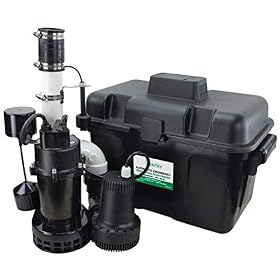
A sump pump can be a relatively simple replacement or a larger installation project. The total cost depends on the pump type, installation conditions, discharge plumbing, basin, and whether you add backup protection.
A sump pump can cost very different amounts depending on whether you are replacing an existing pump or installing a complete drainage system. A straightforward replacement is usually much less expensive than adding a new basin, running discharge pipe, or installing a battery backup system.
The pump itself is only one part of the total cost. Before comparing prices, determine whether you need a primary pump, a backup pump, a replacement switch, or a complete installation.
What affects sump pump cost?
The type of pump
Primary sump pumps generally fall into two broad categories:
Pedestal pumps: The motor sits above the pit. They can be easier to access, but they require enough open space around the basin.
Submersible pumps: The motor sits inside the pit. They are typically quieter and are often preferred when the pump is installed in a finished basement or living area.
Within either category, cost can vary based on pumping capacity, construction materials, switch design, outlet size, and the manufacturer’s specifications. A pump rated for a higher flow rate may cost more, but a larger pump is not automatically better. Oversizing can cause short cycling if the sump pit and incoming water volume do not suit it.
Replacement versus new installation
Replacing a pump in an existing, accessible basin is usually the simplest situation. The discharge pipe, check valve, electrical outlet, and basin may already be usable.
A new installation may also require:
Cutting and removing concrete
Installing or modifying a sump basin
Adding a pump stand or basin cover
Running discharge pipe through the foundation or rim joist
Adding a check valve
Providing a suitable GFCI-protected electrical connection
Sealing the discharge penetration
Managing the outlet so water does not drain back toward the foundation
These extra parts and labor can make installation substantially more expensive than the pump alone.
Backup protection
A battery backup pump adds another layer of protection during a power outage or when the primary pump cannot keep up with heavy rain. The total cost depends on whether you buy only a backup pump or a complete system with a battery, charger, alarm, and separate discharge connection.
A water-powered backup may be an option in some homes, but it requires an appropriate municipal water supply and may have installation and code limitations. Check local requirements and the manufacturer’s instructions before choosing one.
Discharge plumbing and check valves
A sump pump needs a reliable discharge path. Replacing old or undersized pipe, adding a check valve, or correcting a discharge outlet can add to the project cost.
A check valve helps prevent water in the discharge line from flowing back into the pit when the pump shuts off. The valve must match the pipe size and be installed in the correct direction. A faulty or missing valve can increase cycling and reduce effective pumping performance.
Electrical work
A sump pump should use a properly grounded outlet that is suitable for the installation and protected as required by local electrical rules. If the outlet is missing, damaged, improperly located, or frequently trips, electrical work may be needed.
Do not use an extension cord as a permanent sump pump installation. If the circuit, outlet, or wiring is questionable, have a qualified electrician inspect it.
Product prices and availability are accurate as of the date/time indicated and are subject to change. Any price and availability information displayed on Amazon.com at the time of purchase will apply to the purchase of this product.
Typical sump pump cost categories
Rather than looking at one universal price, separate the project into these categories:
Pump replacement: The cost of the primary pump and small installation parts when the basin and plumbing are in good condition.
Pump plus plumbing repairs: A replacement pump with a new check valve, discharge pipe, fittings, or a corrected outdoor outlet.
Complete new installation: A basin, pump, electrical connection, discharge route, and labor.
Backup system: A backup pump with its power source, charger, alarm, battery, and installation materials.
Emergency service: After-hours labor, water removal, damaged flooring, or other repairs caused by a failed pump can exceed the cost of the pump itself.
When requesting quotes, ask whether the price includes removal of the old pump, fittings, check valve, discharge work, electrical work, testing, and cleanup. Comparing pump-only prices with complete installed quotes can make one option appear cheaper when it is not.
Product prices and availability are accurate as of the date/time indicated and are subject to change. Any price and availability information displayed on Amazon.com at the time of purchase will apply to the purchase of this product.
How to compare sump pump prices
Check the pump’s performance specifications
Look beyond the maximum gallons-per-hour or gallons-per-minute number. Pump output decreases as the water must be lifted higher and pushed through horizontal pipe, elbows, and valves.
Compare the pump’s performance at the actual total dynamic head, which includes:
The vertical distance from the pump to the discharge outlet
Horizontal pipe length
Bends and fittings
The check valve
The discharge pipe diameter
A pump with a high advertised maximum flow rate may not deliver the same flow in a real installation. Manufacturer performance charts are more useful than a single maximum-flow figure.
Check the switch design
Float switches need enough room to move freely in the basin. A tethered float may require a wider pit, while a vertical or electronic switch may suit a narrower basin. Confirm that the switch type is compatible with the basin and does not catch on the pump, liner, or discharge pipe.
Check the warranty and replacement parts
A lower purchase price may not be the best value if the pump has limited support or hard-to-find replacement parts. Check the warranty terms, approved installation conditions, and availability of switches, covers, and other service parts.
Include maintenance and failure protection
The least expensive pump is not necessarily the least expensive choice if a failure can flood a finished basement. Depending on the risk, it may be sensible to budget for a backup pump, battery system, high-water alarm, or generator connection.
Product prices and availability are accurate as of the date/time indicated and are subject to change. Any price and availability information displayed on Amazon.com at the time of purchase will apply to the purchase of this product.
Ways to control the total cost
Replace only the failed component if the pump motor and basin are otherwise in good condition.
Match the new pump to the existing pipe size and required lift.
Keep the discharge outlet away from the foundation and confirm that local rules allow the chosen discharge arrangement.
Have the basin, check valve, and discharge line inspected while replacing the pump.
Obtain an itemized quote if hiring a professional.
Avoid choosing a pump solely by horsepower or maximum flow.
Consider backup protection if the basement contains finished materials, a furnace, electrical equipment, or other costly items.
Product prices and availability are accurate as of the date/time indicated and are subject to change. Any price and availability information displayed on Amazon.com at the time of purchase will apply to the purchase of this product.
When should you replace the whole sump pump system?
A complete replacement may be reasonable when the pump is old, the switch is unreliable, the basin is damaged or too small, the discharge line is poorly routed, or compatible replacement parts are no longer available.
If the pump runs but cannot keep up, first check for a clogged intake, blocked discharge, stuck check valve, or a float that cannot move freely. If those conditions are corrected and the pump still performs poorly, compare its actual output at the required lift with the incoming water volume. A higher-capacity pump or a second backup system may be appropriate, but sizing should follow the manufacturer’s guidance or a qualified installer’s recommendation.
Bottom line
The cost of a sump pump depends on whether you need a simple replacement or a complete water-management installation. The pump, basin, discharge plumbing, check valve, electrical connection, labor, and backup protection can all affect the final total. Get an itemized quote or compare the complete parts list—not just the price printed on the pump package.
FAQ
What is included in the cost of a sump pump installation?
A complete installation may include the pump, basin, discharge pipe, check valve, fittings, electrical work, labor, testing, and cleanup. A replacement quote may include only the pump and basic fittings, so ask for an itemized breakdown.
Is a submersible or pedestal sump pump more expensive?
Prices vary by design, capacity, materials, and brand. Submersible pumps are installed inside the basin and are often quieter, while pedestal pumps place the motor above the pit and may be easier to access. The installation space and required performance matter more than the category alone.
Do I need a backup sump pump?
A backup can be worthwhile if power outages, severe storms, or pump failure could cause significant damage. Options include a battery-powered backup or, where suitable, a water-powered system. Verify compatibility, local requirements, and maintenance needs before choosing one.
How often should a sump pump be replaced?
There is no universal replacement interval. Replace a pump when it fails, performs poorly after basic checks, has an unreliable switch, shows damage, or no longer has available compatible parts. Regularly clean the intake and test the pump before heavy-rain seasons.