If your sump pump is not turning on, check the power supply, float switch, intake, discharge line, and water level in that order. These practical steps can help identify a simple blockage or switch problem before you replace the pump.
What do you need help with?
Open an answer, or tell us what we should cover next.
Answered in this guide
Find out why your sump pump will not turn on
Check the pump’s power, float switch, intake, discharge line, water level, connections, and motor in sequence to identify a blockage, setup issue, switch problem, or failed pump.
Disconnect power and inspect whether the float is trapped against the basin wall, caught under another object, or otherwise unable to rise and start the pump.
Inspect the pump intake, discharge pipe, and check valve for debris, ice, crushing, or other restrictions that can stop water flow and prevent normal pump operation.
Protect people first, avoid standing water near energized outlets or equipment, and take immediate safety precautions when the pump will not start during rising water.
Requests help us prioritize the next guide. No email required.
One anonymous request per topic.
A sump pump that is not turning on usually has a power, float-switch, blockage, setup, or pump failure problem. Unplug the pump before clearing debris or handling wiring, and do not work in standing water around electrical connections. Start with the simple checks below; if the pump or circuit appears damaged, contact a qualified electrician or plumber.
1. Check the power supply
First, confirm that the pump is receiving power:
Make sure the pump plug is fully inserted into the receptacle.
Check whether the circuit breaker has tripped.
Reset a tripped GFCI receptacle once, if it can be reached safely and the area is dry.
Check whether another device on the same circuit works.
Inspect the cord and plug for cuts, melted insulation, loose connections, or water damage.
Do not repeatedly reset a breaker or GFCI that trips again. A recurring trip can indicate a short, a failing motor, water intrusion, or an overloaded circuit. Have the circuit and pump checked by a qualified professional.
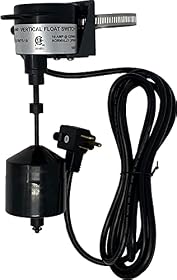
If the pump is connected through a separate piggyback plug, confirm that the pump plug is connected to the back of the float-switch plug as directed by the manufacturer. A misconnected plug can prevent automatic operation.
2. Test the float switch
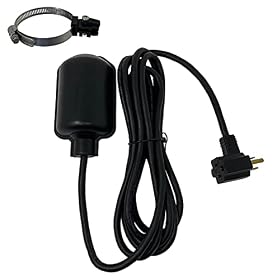
A stuck or obstructed float switch is one of the most common reasons a sump pump does not start.
Remove loose debris and make sure the float can move through its full operating range. Do not force the switch or alter its travel unless the pump instructions specifically allow adjustment.
If the pump starts when the float is lifted manually but does not start automatically, the float switch may be worn, obstructed, incorrectly positioned, or improperly adjusted. A replaceable float switch may solve the problem if the pump design supports one. Otherwise, replacing the pump may be more practical.
Product prices and availability are accurate as of the date/time indicated and are subject to change. Any price and availability information displayed on Amazon.com at the time of purchase will apply to the purchase of this product.
3. Look for an intake blockage
A sump pump may fail to start or may appear unresponsive if debris has jammed the impeller or blocked the intake screen.
After unplugging the pump, remove it from the basin if the installation allows. Clear mud, gravel, plant material, and other debris from the intake area. Check the impeller opening for anything wrapped around it. Do not insert fingers into the pump housing; use a suitable tool or follow the manufacturer's cleaning instructions.
If the pump hums but does not move water, a jammed impeller or failing motor is possible. Do not leave a humming pump energized, because the motor can overheat.
Product prices and availability are accurate as of the date/time indicated and are subject to change. Any price and availability information displayed on Amazon.com at the time of purchase will apply to the purchase of this product.
4. Check the discharge pipe and check valve
A blocked or frozen discharge line can stop water flow and may cause the pump to overheat. Inspect the accessible discharge pipe for:
Ice or crushed sections
Mud, sediment, or animal nests
A clogged outlet
A failed or incorrectly installed check valve
A disconnected fitting or leaking joint
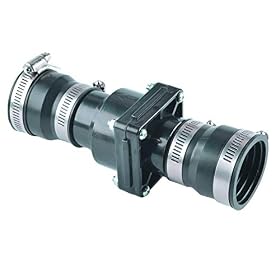
A check valve should permit water to leave the basin while preventing it from flowing back after the pump stops. If it is installed backward, stuck closed, or packed with debris, the pump may not empty the basin correctly. Replace a damaged valve with one sized and rated for the pump and pipe configuration.
Never remove or block the discharge outlet simply to make the pump run. The pump still needs a clear, properly routed discharge path.
Product prices and availability are accurate as of the date/time indicated and are subject to change. Any price and availability information displayed on Amazon.com at the time of purchase will apply to the purchase of this product.
5. Check the water level and pump setup
Some sump pumps will not turn on until the water reaches the float's activation level. If the basin is nearly dry, the pump may be working normally.
If the basin contains water but the float does not rise high enough:
Confirm that the pump is sitting upright on a stable base.
Make sure the pump has not shifted or tilted.
Verify that the float has adequate clearance.
Check that the basin cover, discharge pipe, and cords are not restricting the float.
A pump installed in a basin that is too small or too shallow may not have enough room for the float to operate correctly. Follow the pump's installation requirements rather than relying only on the physical fit.
Product prices and availability are accurate as of the date/time indicated and are subject to change. Any price and availability information displayed on Amazon.com at the time of purchase will apply to the purchase of this product.
6. Inspect for leaks and loose connections
A disconnected discharge pipe or failed fitting can make the system appear ineffective even when the motor runs. Look for water escaping at pipe joints, the check valve, the basin connection, and the point where the discharge line exits the home.
Also check whether the pump has been pulled partly out of position by a stiff pipe or cord. Keep electrical cords and connections above the waterline where the installation permits, and use only components approved for the pump and environment.
7. Determine whether the pump motor has failed
If the receptacle has power, the float moves freely, the intake is clear, and the discharge path is open, the pump itself may have failed. Common signs include:
No sound or movement when the float is raised
A motor that only hums
Burning odor or visible heat damage
Repeated breaker or GFCI trips
A pump that starts intermittently
Severe corrosion or a damaged cord
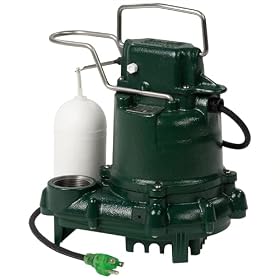
Do not open a sealed pump housing or attempt electrical repairs unless the manufacturer specifically provides a safe service procedure. A submersible sump pump with a failed motor is generally replaced rather than repaired.
What to do if the basement is already taking on water
If water is rising and the pump will not start, protect people first. Keep away from standing water if electrical equipment or outlets may be energized. If it is safe to do so, disconnect power to the affected circuit and use a properly rated temporary pump or wet/dry vacuum according to its instructions. Do not use household extension cords in wet areas unless the equipment and setup are specifically rated and safe for that purpose.
A plumber or water-removal professional may be needed when flooding is active. After the immediate water problem is controlled, identify why the primary pump failed and consider whether a battery or water-powered backup system is appropriate.
When to replace the float switch or pump
A float switch is a reasonable replacement when the pump motor runs during a controlled test but automatic operation is unreliable, and the switch is replaceable for that pump design.
Replace the entire pump when the motor is seized, the housing or cord is damaged, the pump repeatedly trips protection devices, or the unit is heavily corroded. Choose a replacement based on the basin size, discharge-pipe diameter, required pumping height, float type, and the manufacturer's flow information at that height—not just the pump's maximum gallons-per-minute figure.
Before installing a replacement, correct any underlying problem such as a restricted discharge line, insufficient float clearance, or an undersized basin. After installation, pour water into the basin to confirm that the float starts the pump, water leaves through the discharge line, the check valve prevents excessive backflow, and the pump stops at the expected level.
How to reduce the chance of another failure
Test the pump by adding water to the basin periodically.
Keep the intake area free of gravel and sediment.
Check the float's movement before heavy rain.
Inspect the discharge outlet for blockage or freezing.
Keep the pump plug and electrical connections dry.
Consider a backup pump or alarm if basement flooding would cause major damage.
Follow the pump, basin, check-valve, and backup-system instructions for maintenance and installation.
FAQ
Why is my sump pump not turning on but the outlet has power?
A stuck float switch, blocked intake, incorrect plug arrangement, insufficient water level, or failed motor can prevent operation even when the receptacle has power. Unplug the pump, clear obstructions, confirm that the float moves freely, and check the manufacturer's wiring arrangement.
How can I tell if a sump pump float switch is bad?
With the area safe and the pump connected as directed, a float that moves freely but does not activate the pump may indicate a failed switch. If the pump runs when manually activated but not automatically, the float switch or its adjustment is a likely cause.
Should I reset a sump pump GFCI that keeps tripping?
You can reset it once if the receptacle and surrounding area are dry and safe. If it trips again, leave the circuit off and have the pump and electrical system inspected. Repeated trips can indicate a dangerous fault.
Can a clogged discharge pipe stop a sump pump from turning on?
A clog more often causes the pump to run without moving water, but it can contribute to overheating, motor damage, or repeated protection-device trips. Check the discharge line, outlet, and check valve after disconnecting power.