A crawl space sump pump needs to fit the pit, switch on at the right water level, and move water through the actual discharge route. Check those details before choosing by horsepower alone.
A sump pump for a crawl space pit should fit the basin, start before water reaches the crawl space floor, and have enough capacity for the height and distance of its discharge line. Before buying, measure the pit and check the pump’s float clearance, activation level, and flow at the required lift—not just its horsepower rating.
Choose a pump that fits the pit
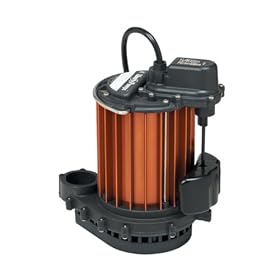
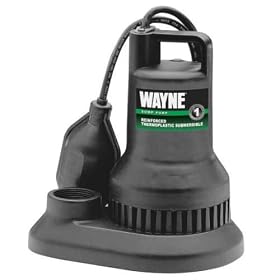
Many crawl space pits are smaller or shallower than basement sumps. Measure the basin’s inside width and depth, then compare them with the pump body and the room needed for its float to move freely. A tethered float may need more space than a vertical float; neither will work reliably if it catches on the basin wall, piping, or cover.
Check the pump’s switch-on and switch-off levels against the pit depth. The pump must start while water is still below the surrounding floor or drainage inlet, and the basin needs enough room for the pump to cycle without switching on and off repeatedly. If the pit is too shallow or narrow for a standard pump and float, look for a compatible compact or low-water-level design rather than forcing a larger unit into place.
Match capacity to the discharge route
Use the pump’s performance information to compare flow at the total lift and discharge conditions—not only the maximum flow listed at little or no lift. The total lift includes the vertical rise from the pump to the discharge point; long pipe runs, elbows, and other restrictions can also reduce flow.
Choose a pump that can keep up with the water entering the pit under the conditions you need to manage. If you do not know the inflow rate, observe how quickly the pit fills during wet weather and consult a pump professional for sizing when flooding risk is significant. Buying a higher-horsepower pump without checking its actual flow, switch range, and basin fit does not guarantee better performance.
Product prices and availability are accurate as of the date/time indicated and are subject to change. Any price and availability information displayed on Amazon.com at the time of purchase will apply to the purchase of this product.
Check the basin, piping, and discharge location
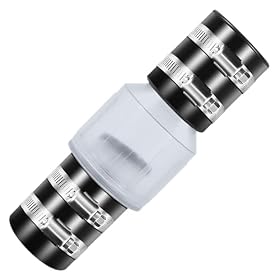
The pump is only one part of the system. Confirm that the basin is intended for sump use and is stable, that incoming drainage can reach it, and that the discharge pipe is compatible with the pump outlet. A check valve in the discharge line helps limit water flowing back into the pit after the pump stops; install and orient it as its manufacturer directs.
Plan the discharge so water is carried away from the foundation and does not simply drain back toward the crawl space. Follow local rules for discharge locations and connections. Do not connect a sump pump to a sanitary sewer unless local regulations and the system design specifically allow it. Keep the electrical connection dry and protected as required by the pump instructions and applicable electrical codes; have a qualified electrician handle uncertain or unsafe wiring.
Product prices and availability are accurate as of the date/time indicated and are subject to change. Any price and availability information displayed on Amazon.com at the time of purchase will apply to the purchase of this product.
Consider automatic operation and backup
For a pit that needs ongoing protection, an automatic pump with a built-in switch is generally more practical than a pump that requires manual starting. Confirm that the switch is suitable for the pit’s dimensions and water-level range. Follow the manufacturer’s instructions for testing the switch and pump.
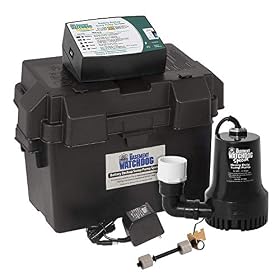
If a power outage or primary-pump failure could cause serious damage, consider a backup system that fits the basin and can handle the expected water and discharge conditions. A battery backup needs a compatible battery and periodic maintenance; it is not a substitute for checking the primary pump. In areas with frequent or prolonged outages, ask a qualified installer whether a separate backup pump or another backup arrangement is appropriate.
Product prices and availability are accurate as of the date/time indicated and are subject to change. Any price and availability information displayed on Amazon.com at the time of purchase will apply to the purchase of this product.
Before putting the pump into service
Verify that the pump, float, basin, and discharge pipe are compatible.
Make sure the float moves freely and cannot snag on wiring or piping.
Check that the discharge route will not send water back toward the foundation.
Test operation using the method in the pump manual, and confirm that water leaves the pit and the pump shuts off.
Keep the pit accessible for inspection, and follow the manufacturer’s maintenance schedule.
If the pump runs but water remains in the pit, first check for a blocked or restricted discharge line, a stuck check valve, or a float that cannot move freely. If the pump does not start, verify the water level and switch setup, then follow the manual’s electrical troubleshooting steps. Disconnect power before inspecting or servicing the pump, and do not reach into standing water near energized equipment. Replace a damaged or unreliable pump rather than continuing to depend on it for flood protection.
Product prices and availability are accurate as of the date/time indicated and are subject to change. Any price and availability information displayed on Amazon.com at the time of purchase will apply to the purchase of this product.
FAQ
Can I use a regular basement sump pump in a crawl space pit?
Possibly, if the pump and float physically fit the pit, the switch activates at an appropriate water level, and the pump can handle the discharge conditions. A basin that is too small or shallow may require a more compact design.
How deep should a crawl space sump pit be?
There is no single depth that suits every crawl space. The pit must accommodate the pump and its switch range while collecting water below the surrounding floor or drainage inlet. Follow local requirements and the pump and basin manufacturers’ instructions.
Does a crawl space sump pump need a check valve?
A check valve is commonly used to reduce water flowing back into the pit after the pump shuts off. Use a valve compatible with the pump and pipe, and install it according to the manufacturers’ directions.
Should a crawl space sump pump have a battery backup?
A backup can help when power loss or primary-pump failure would put the crawl space at risk. Choose a system that fits the basin and suits the expected water conditions, and maintain its battery according to the manufacturer’s schedule.