Interior Drain Tile With a Sump vs. Exterior Waterproofing
Interior drain tile collects water that reaches the foundation perimeter and sends it to a sump. Exterior waterproofing works from outside to reduce water entry. The right choice depends on where water is coming from, site access, and the condition of the foundation.
Interior drain tile with a sump manages water after it reaches the foundation perimeter, while exterior waterproofing works from outside to limit water from entering. Neither is automatically the better fix: first identify the water source, then compare access, foundation condition, drainage options, and the disruption each project involves.
How the two systems work
Interior drain tile and a sump
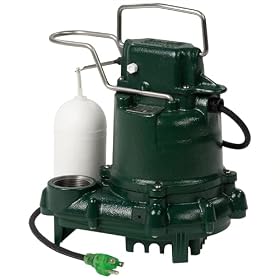
An interior system typically collects water along the inside perimeter of the basement, near the footing or beneath the floor slab. The drain carries it to a sump basin, where a pump moves it to an approved discharge location.
This approach manages water that reaches the foundation perimeter; it does not necessarily keep the foundation materials dry. The design, drain location, and discharge route matter, and the system needs a working pump and a clear path for water to leave the property.
Exterior waterproofing
Exterior work generally requires excavating beside the foundation, exposing the wall, preparing or repairing it, and applying an appropriate waterproofing system. A drainage layer or footing drain may also be installed to move water away. The method should be selected for the foundation and site conditions rather than treated as a single universal coating solution.
Because the work is done outside, it can address water before it passes through the foundation wall. But it may be difficult or disruptive where access is blocked by additions, utilities, hardscaping, landscaping, or neighboring property.
Key differences
Consideration
Interior drain tile with a sump
Exterior waterproofing
Main approach
Collects and routes water at the foundation perimeter
Reduces water entry by treating the exterior foundation and managing drainage
Typical work area
Basement floor perimeter and sump location
Excavation along the outside of the foundation
Main equipment
Drainage system, basin, and sump pump
Foundation treatment and, where needed, exterior drainage
Ongoing needs
Keep the basin, pump, and discharge route operational
Inspect drainage and foundation conditions; maintenance depends on the installed system
Access considerations
Requires interior work and may involve cutting or replacing sections of slab
Requires room to excavate beside the foundation and protect nearby features
Important limitation
Water may still reach the foundation before collection
Access, soil, drainage outlet, and foundation conditions can limit the work
Project scope varies. Ask contractors to describe exactly where the drain or treatment will go, how water will be discharged, and what parts of the foundation are included.
Product prices and availability are accurate as of the date/time indicated and are subject to change. Any price and availability information displayed on Amazon.com at the time of purchase will apply to the purchase of this product.
Which approach makes sense for your basement?
Interior drain tile with a sump may be a practical option when water is entering at the wall-floor joint or through the basement perimeter, exterior access is limited, or excavation would disturb major site features. It can also be considered when the goal is to collect and pump water that reaches the footing area. The pump and its discharge need to be reliable, especially during storms or power outages.
Exterior waterproofing may make more sense when the outside wall can be accessed and the goal is to reduce water reaching or passing through that wall. It may be particularly relevant when exterior foundation treatment or drainage needs repair. A qualified contractor should assess the wall, footing, soil, and a viable route for collected water before recommending excavation.
Neither should be the first step if the source is unclear. Water from a plumbing leak, condensation, a window well, or roof runoff can resemble foundation seepage. Check gutters and downspouts, grading near the house, and obvious plumbing leaks before committing to major foundation work. Correcting surface drainage can help, but it is not a substitute for repairing a foundation or drainage system that is failing.
What to ask before hiring a contractor
Get the diagnosis and proposed water route in writing. Useful questions include:
Where is the water entering, and what evidence points to that source?
What work is included: wall treatment, drain, sump basin, pump, discharge line, or repairs?
Where will collected water go, and is that discharge route permitted and suitable for the property?
How will the work affect the slab, landscaping, utilities, hardscaping, and finished basement areas?
What maintenance is required, and what happens if the pump loses power or fails?
Are there structural concerns that require a foundation professional or engineer?
Be cautious of a proposal that promises a dry basement without explaining the source of water, the system layout, and the discharge plan. If a contractor proposes excavation near or below footings, confirm that the plan will not undermine the foundation; use qualified professionals and follow local requirements.
Can you use both approaches?
Yes. Some properties need exterior water-entry reduction and an interior collection system, particularly when site conditions or multiple water paths make one measure insufficient. Combining systems is not automatically necessary, though. Ask the contractor to explain what problem each part solves and why simpler drainage corrections would not be enough.
FAQ
Does interior drain tile stop water from entering the foundation?
It generally collects and routes water at the basement perimeter rather than preventing all water from reaching the foundation. The system can help manage seepage, but the wall and surrounding soil may still be exposed to moisture.
Is exterior waterproofing always better than an interior drain tile system?
No. Exterior work can reduce water entry, but it depends on access, foundation condition, site drainage, and a suitable installation plan. Interior collection may be more practical in some homes. The water source should guide the choice.
Can better gutters and grading replace either system?
They may solve a problem caused by roof runoff or surface water, so they are worth checking first. They will not necessarily fix groundwater pressure, a failed footing drain, or a foundation defect.
Does an interior drain tile system need a sump pump?
If the system directs water to a sump basin, it needs a way to discharge that water. The specific setup depends on the property and local requirements; follow the system and pump manufacturers’ instructions and have the discharge route assessed.