If the sump pit rises faster than the pump can lower it, the cause is usually excessive water inflow, restricted discharge, a clogged intake, a failing check valve, or an undersized pump. Follow these checks in order to reduce flood risk and decide whether you need a repair, backup pump, or replacement.
Sump pit filling faster than the pump can empty
If your sump pit is filling faster than the pump can lower it, treat the situation as an active flooding risk. First confirm that water is actually leaving the discharge pipe, then check for a clogged intake, blocked or frozen discharge line, leaking connection, incorrect pump setup, or a pump that cannot handle the current inflow. If the water level continues rising, reduce water entering the basement if possible and use a temporary backup pump or wet/dry vacuum rated for water removal while you troubleshoot.
What to do first
Keep people away from standing water near electrical equipment. Do not reach into the pit or unplug equipment while standing in water. If electrical components or outlets are wet, stop and contact a qualified electrician.
Check whether the pump is running. Listen for the motor and watch whether the water level changes.
Look outside at the discharge outlet. A strong, steady flow should normally appear while the pump runs. No flow points to a blocked line, failed check valve, disconnected pipe, or pump problem.
Reduce incoming water where you can. Stop washing machines, showers, and other avoidable water use. Make sure gutters and downspouts are directing water away from the foundation.
Use a backup removal method if the pit is close to overflowing. Follow the equipment manufacturer’s instructions, and do not use a standard shop vacuum unless it is specifically configured and approved for water pickup.
Check the pump's filter or intake
Many sump pumps have a screened intake or a base that must remain clear of sediment, gravel, mud, and debris. A blocked intake can make the pump run while moving very little water.
Disconnect power only when it is safe to do so, then follow the pump manual for inspection and cleaning. Remove accessible debris without damaging the screen or pump housing. Do not operate the pump without any required intake screen or base installed.
If the pump hums but does not move water after the intake is clear, the impeller may be jammed or damaged. A pump that repeatedly trips a breaker, smells burned, or becomes unusually hot should be taken out of service rather than repeatedly reset.
Product prices and availability are accurate as of the date/time indicated and are subject to change. Any price and availability information displayed on Amazon.com at the time of purchase will apply to the purchase of this product.
Inspect the discharge hose or pipe for a blockage
A restriction after the pump can make the pit fill faster than the water can leave. Check the entire visible discharge route for:
Kinks or crushed flexible hose
Ice in an exposed section
Mud, leaves, or debris at the outlet
A closed or obstructed termination
A separated pipe joint
A discharge line that is too narrow for the pump connection
A section that sags and holds water
The outlet should discharge away from the foundation and remain open. Do not simply move the outlet close to the house to get water away from the pit; that can send water back toward the foundation and increase inflow.
If the discharge line is frozen, do not use an open flame to thaw it. A safe repair may require replacing the exposed section, improving insulation where appropriate, or adding a properly arranged winter discharge solution recommended by the manufacturer or a plumber.
Product prices and availability are accurate as of the date/time indicated and are subject to change. Any price and availability information displayed on Amazon.com at the time of purchase will apply to the purchase of this product.
Check the check valve and pipe connections
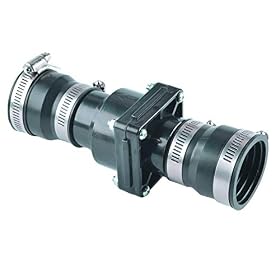
A check valve prevents water in the discharge pipe from flowing back into the pit when the pump stops. If it is installed backward, stuck, clogged, or missing, the pump may empty the pit briefly and then receive much of that water back.
Listen for a sharp water rush returning to the pit after the pump shuts off. Also inspect accessible joints for leaks or a pipe that has slipped apart. A leaking joint may not be obvious if water drains into the pit or behind a finished wall.
Replace a failed check valve with one compatible with the pipe size and pump installation. Follow the valve’s flow-direction marking. If you are unsure how to isolate or reassemble the discharge plumbing, have a plumber handle it; a leaking connection can quickly defeat a working pump.
Product prices and availability are accurate as of the date/time indicated and are subject to change. Any price and availability information displayed on Amazon.com at the time of purchase will apply to the purchase of this product.
Confirm the pump is set up correctly
A pump can underperform if it is not installed according to its instructions. Check that:
The pump is standing upright on a stable, level base.
The float can move freely without touching the pit wall, pipes, wiring, or cover.
The pump is not resting in mud or debris.
The discharge pipe is the size and type recommended for the pump.
The pipe does not contain unnecessary sharp bends or restrictions.
The pump is plugged into the correct, grounded electrical supply.
Any pit cover or venting arrangement does not interfere with float movement or airflow required by the installation.
Do not lift or carry a pump by its power cord. Do not alter the grounding arrangement or use an extension cord unless the manufacturer specifically permits it and the cord is suitable for the environment.
Product prices and availability are accurate as of the date/time indicated and are subject to change. Any price and availability information displayed on Amazon.com at the time of purchase will apply to the purchase of this product.
Check whether the pit is full or the pump is cycling too often
A pump may appear unable to keep up if the pit has a very high inflow rate or if it stops before the water reaches a low level. Watch one complete cycle if it is safe: note when the pump starts, whether the level falls, and how quickly it rises again after shutdown.
A pump that starts and stops every few seconds may have a float problem, excessive backflow, a restricted discharge line, or an incorrectly sized basin or pump. Frequent cycling can overheat the motor and shorten its life.
If the pump lowers the water level but cannot catch up during heavy rain, the issue may be capacity rather than a clog. Pump capacity decreases as the water must travel higher or through a longer, more restrictive discharge route. The flow shown on a pump’s packaging is not necessarily the flow you will get at your installation’s vertical lift and pipe length.
Determine whether the pump is undersized
Once clogs, leaks, setup problems, and backflow have been ruled out, compare the pump’s performance with the site’s water inflow. A high-water event can exceed the capacity of a pump that normally handles ordinary groundwater.
A larger pump is not automatically the right answer. It must be compatible with the basin, discharge pipe, electrical circuit, check valve, and available vertical lift. The pump should also be suitable for the water conditions; a standard sump pump may not be appropriate for sewage, solids, or other materials outside its listed use.
A plumber or waterproofing professional can measure inflow and recommend a primary pump and discharge arrangement. In locations with frequent flooding, a properly installed second pump on an independent power source can provide more useful protection than simply installing a much larger single pump.
Check the power supply and motor last
If the pump does not run, check the easy external causes first:
Is the circuit breaker or GFCI tripped?
Is the pump plug fully inserted?
Is the float stuck in the off position?
Is another device on the same circuit overloading it?
Reset a breaker or GFCI only once after confirming the area is dry and safe. If it trips again, leave it off and call a qualified electrician or service professional. Do not bypass GFCI protection.
A motor that is silent, intermittently running, grinding, or overheating may have an electrical or mechanical failure. Do not open a sealed motor housing or attempt electrical repairs unless you are qualified and the manufacturer permits service.
When to replace the pump or add backup protection
Replacement is usually reasonable when the pump has a damaged motor, repeatedly overheats, has a failed impeller, or cannot meet the required flow after the plumbing is clear and correctly sized. Replacing only a pump will not solve a blocked discharge line, excessive backflow, or a foundation drainage problem.
Consider a backup pump when the pit receives significant water during storms, the basement contains valuable equipment, or a single pump failure would cause serious damage. Battery-backed and water-powered systems have different installation requirements and limitations. A backup system also needs periodic maintenance, a suitable battery or water supply, and an alarm that can be heard or monitored.
If the pit fills rapidly even with a properly working, correctly sized pump, investigate the source of the inflow. Foundation drainage, groundwater, failed footing drains, gutter discharge, or a plumbing leak may need attention beyond the sump system itself.
FAQ
Why does my sump pit keep filling while the pump is running?
The discharge may be blocked, frozen, kinked, or disconnected; the intake may be clogged; water may be flowing back through a bad check valve; or the inflow may exceed the pump’s capacity. Confirm that water is leaving the discharge outlet, then inspect the intake, plumbing, check valve, and pump sizing.
How can I tell if my sump pump is undersized?
If the pump runs continuously with a clear intake and discharge line but the water level still rises, the inflow may exceed its capacity. Pump flow also decreases with vertical lift, long pipe runs, and restrictive fittings. A plumber can measure inflow and match the pump to the actual installation.
Can a bad check valve make a sump pit overflow?
Yes. If the check valve is missing, installed backward, stuck, or leaking, water in the discharge pipe can flow back into the pit each time the pump stops. A noticeable rush of returning water is a common clue.
Should I install a bigger sump pump?
Only after checking for clogs, leaks, backflow, incorrect setup, and excessive inflow. A larger pump must match the basin, discharge plumbing, electrical circuit, vertical lift, and check valve. An independent backup pump may provide better protection than one oversized pump.
What should I do if the sump pit is about to overflow?
Keep away from standing water near electrical equipment, stop avoidable water use, check the outside discharge outlet, and use a suitable temporary water-removal method or backup pump if it can be done safely. Call a plumber or qualified electrician when the cause is unclear or electrical equipment is wet.